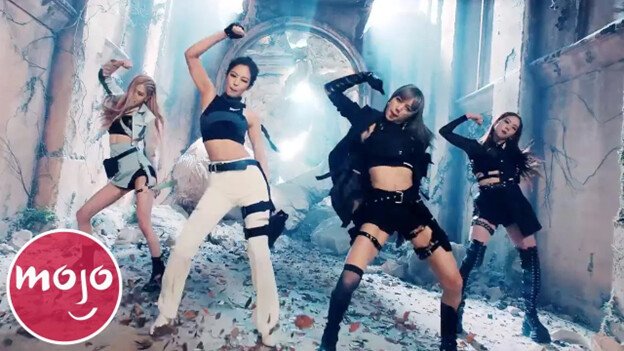
Music Has Always Been Visual — 2026 Makes That Inevitable

Long before algorithms entered the creative conversation, music and visuals were already inseparable. Album artwork, stage lighting, music videos, and even fashion have always shaped how listeners connect with sound.
As we move into 2026, that relationship is evolving again — this time through the rapid rise of the AI music video generator. What once required cameras, crews, and weeks of editing is increasingly being reimagined through intelligent systems that respond directly to music itself.
For artists, this shift is not about automation for convenience. It’s about new visual languages emerging from sound.
From Traditional Music Videos to Intelligent Visual Systems
The history of music videos mirrors the evolution of technology. Early videos captured performance. Later decades introduced storytelling, symbolism, and cinematic ambition. Today’s platforms favor speed, adaptability, and visual impact across multiple formats.
AI music video generators reflect this moment perfectly.
Instead of manually constructing every visual element, artists can now work conceptually — choosing moods, styles, and emotional direction — while AI translates audio into synchronized motion. Rhythm becomes movement. Melody becomes color. Structure becomes visual flow.
This is not a replacement for artistic vision. It is a new medium.
What an AI Music Video Generator Really Does
At its core, an AI music video generator listens before it creates.
Modern systems analyze:
- Tempo and beat patterns
- Dynamic changes within a track
- Emotional tone and intensity
- Structural elements such as drops, bridges, and transitions
From there, the AI generates visuals that respond organically to the music. The result is not a static animation layered onto sound, but a visual experience that feels rhythmically alive.
By 2026, this process has become refined enough to support serious artistic work — not just experiments or novelty clips.
Why Artists Are Turning to AI-Driven Visuals
The growing adoption of AI music video tools is happening for practical and creative reasons.
Creative Accessibility
Not every artist has access to professional video production. AI removes that barrier, allowing visuals to exist at the same pace as music.
Speed Without Compromise
Releasing music today means staying visually present. AI enables artists to create high-quality videos quickly without sacrificing aesthetic intent.
Room for Experimentation
Multiple visual interpretations of a single track are now possible. Artists can explore abstract, cinematic, or performance-driven visuals without additional cost.
Platform Flexibility
AI-generated videos can be adapted for streaming platforms, social media, or live performances — all from the same creative foundation.
The 2026 Shift: Emotion, Identity, and Real-Time Visuals
As AI models improve, music visualization is becoming more nuanced.
Emotion-aware systems can now distinguish between similar tempos with very different moods. A slow, melancholic track produces entirely different visuals than a minimal ambient piece, even if they share rhythmic similarities.
Artist identity is also becoming central. Instead of generic outputs, creators can align visuals with their personal aesthetic — color palettes, motion styles, and visual signatures that remain consistent across releases.
In live settings, real-time AI visuals are beginning to redefine performances, allowing music to generate imagery as it happens.
Beatviz: A Tool Built Around Sound, Not Templates
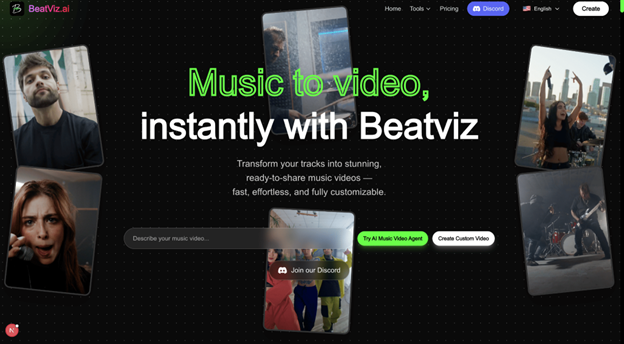
Among the platforms shaping this movement, Beatviz reflects a broader creative philosophy behind the AI music video generator space.
Rather than prioritizing rigid presets, Beatviz emphasizes musical responsiveness — visuals that feel connected to the beat, structure, and emotional arc of a track. The goal is not to overwhelm the music, but to support it visually.
For independent musicians and producers, this approach allows visuals to grow directly out of sound, maintaining artistic intent without technical complexity.
More importantly, tools like Beatviz demonstrate how AI can stay in service of creativity rather than dictating it.
AI as a Creative Partner, Not a Replacement
There is ongoing debate around AI in creative fields, but music offers an important perspective. Technology has always shaped sound — from electric instruments to digital production.
AI music video generators follow that tradition.
The artist still defines the vision. AI simply accelerates execution and expands what is possible visually. The emotional core of the music remains human.
A New Visual Era for Independent Music
Perhaps the most meaningful impact of AI-driven visuals is cultural. Independent artists now have access to tools that were once reserved for major productions.
This leads to:
- Greater diversity in visual storytelling
- More experimental aesthetics
- A stronger visual presence for emerging artists worldwide
As audiences, we experience music not just as something we hear, but something we see — more often, more creatively, and more immediately.
Looking Toward the Future
By the end of 2026, the AI music video generator will no longer feel new. It will feel necessary.
As music continues to evolve, the way we visualize it will evolve alongside it — guided by artists, supported by technology, and shaped by sound itself.
In that future, platforms like Beatviz are not defining creativity.
They are giving it new dimensions.
#This is a Contributor Post. Opinions expressed here are opinions of the Contributor. Illustrate Magazine does not endorse or review brands mentioned; does not and cannot investigate relationships with brands, products, and people mentioned and is up to the Contributor to disclose. Contributors, amongst other accounts and articles may be professional fee-based.#