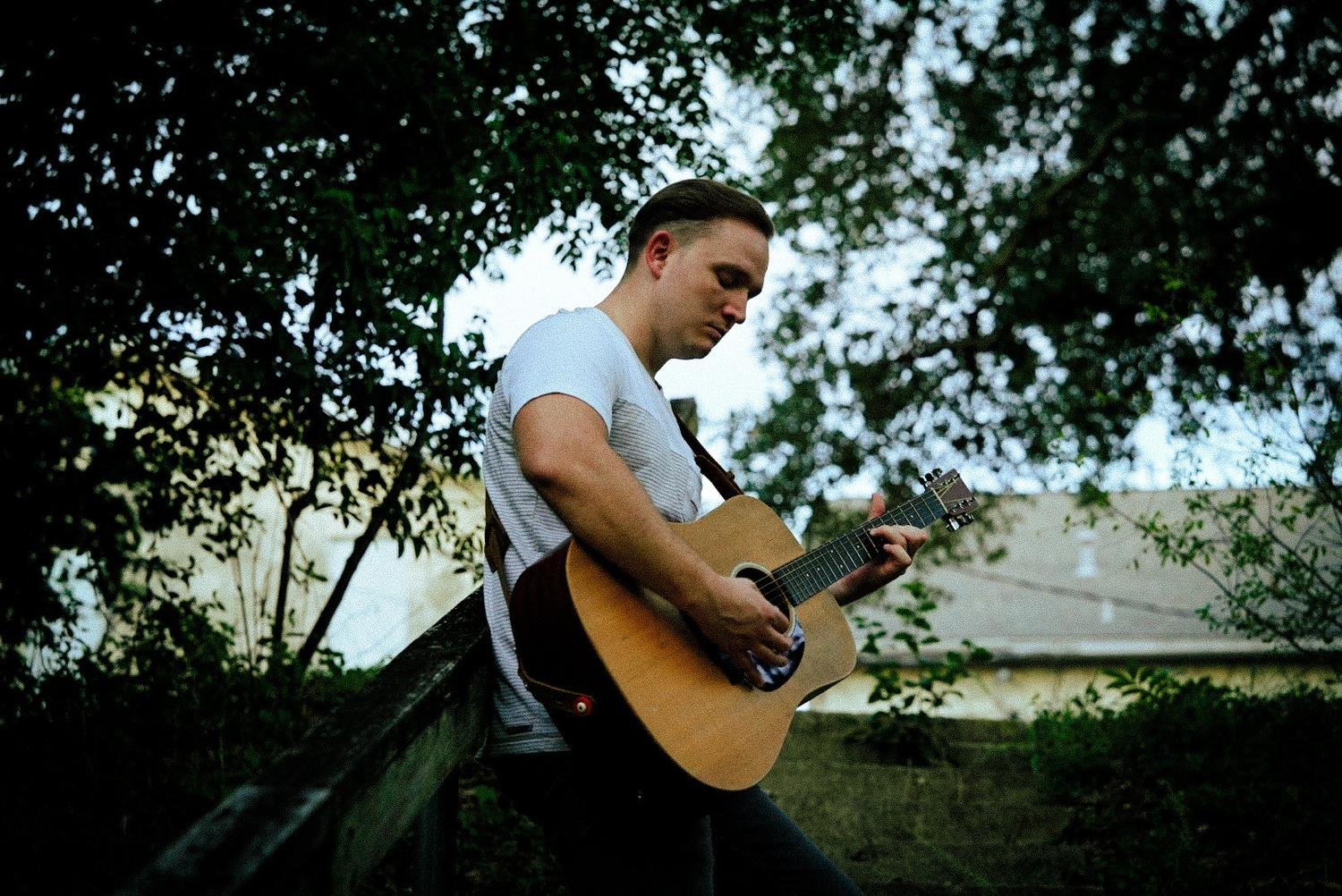
In 2026, JB will release live in-studio performance videos, new singles, and additional music videos. With a vault of new songs ready to go, his next chapter promises his most compelling work yet — a continued journey of heart, heritage, and the stories that connect us all. Check out the exclusive Interview below:
Your roots can often shape your journey. Can you share a story or moment from your early life that had a significant impact on your path into music? JB ELWOOD: First, I just wanted to say thank you so much for interviewing me. I am grateful for the opportunity and for your support of my music journey. I think the moment in my early life that had a significant impact on my path into music was when I was 10 years old and I was at a store with my family, and I was in the CD section. The very first CD that caught my attention was “Appetite for Destruction” by Guns N’ Roses. I had a little bit of money saved up on me because my dad used to give me and my brother money for chores to teach us the value of money. So, I convinced my parents to let me buy that CD. I immediately went home, turned that CD on, and I thought it was the coolest thing I have ever heard in my entire life. I always told my parents I wanted to be just like Slash one day. So, I got a cheap beginner guitar and tiny amplifier for Christmas, and I started to learn all the songs on that album. Then, I discovered AC/DC, Rush, and other Classic Rock bands. I actually got pretty good at a young age playing all the iconic guitar riffs. It wasn’t until I discovered Tom Petty, that I decided that I wanted to try to write my own music. Tom Petty will always be one of my favorite artists of all time. It is amazing to think how creative I was back then writing guitar riffs because when you are a kid, you don’t overthink music theory. I have actually used some of the guitar riffs I wrote as a kid in my original music that I released when I was older. Also, another big influence on me was when I would go visit my grandparents in West Virginia. My grandfather on my mom’s side was a self-taught musician and he played bluegrass music and gospel music at church every week. We used to sit around in their living room and play music together. My grandfather, before he passed away, gifted me his 1960’s Gibson Dove Acoustic Guitar, and that is a guitar I will hold on to and protect for the rest of my life.
Did your musical journey begin with formal training, or was it more of a personal exploration? How has that shaped your unique approach to your craft? JB ELWOOD: My music journey began as personal exploration. I am self-taught and when I was a kid, I learned all the famous classic rock guitar riffs. My parents did a good job raising me on Classic Rock! Then I discovered Tom Petty, and I began getting interested in songwriting. In high school, I became obsessed with the 90’s decade of music and discovered Rob Thomas, indie music, and grunge music. I would say my original music was heavily influenced by this decade as well. The way I write my songs, is I try to go for a big catchy chorus, and that was influenced by artists like Hootie and the Blowfish and Matchbox 20.
Who were some of the most influential figures in your early musical life, and how did they inspire your sound? Also, what’s the story behind choosing the name ‘JB ELWOOD’? JB ELWOOD: The most influential artists that continue to inspire me today to write music are Tom Petty, Rob Thomas, Guns N’ Roses, John Mayer, Tyler Childers, The Shins, Michael Jackson, Gregory Alan Isakov, Sufjan Stevens, and so many others. I am a huge fan of all types of music. My stage name is named after my grandfather on my dad’s side who was a businessman and entrepreneur in West Virginia, named John Elwood Ball. I am heavily influenced by my familial roots. My parents and my entire family are from Appalachia, and my grandfather was a well-known person in Williamson, West Virginia. He was one of the kindest people and always took care of the people and the community. I wanted to honor his story and his legacy with my stage name.
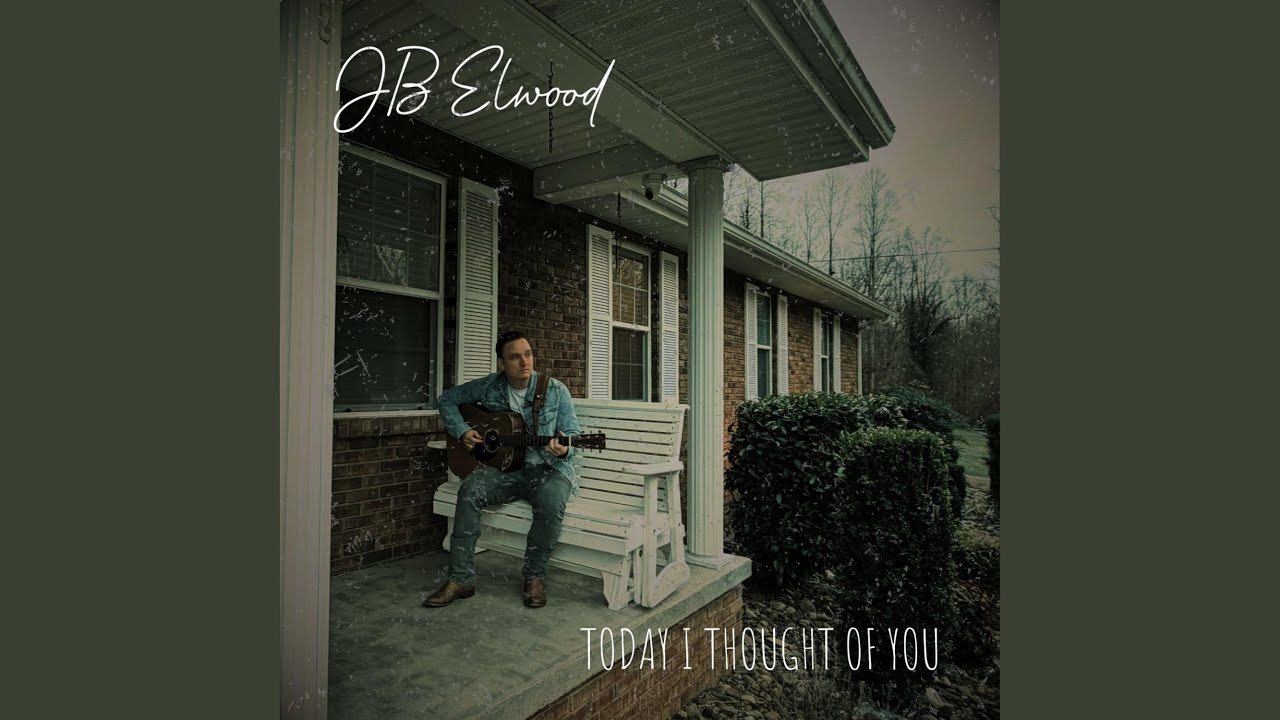
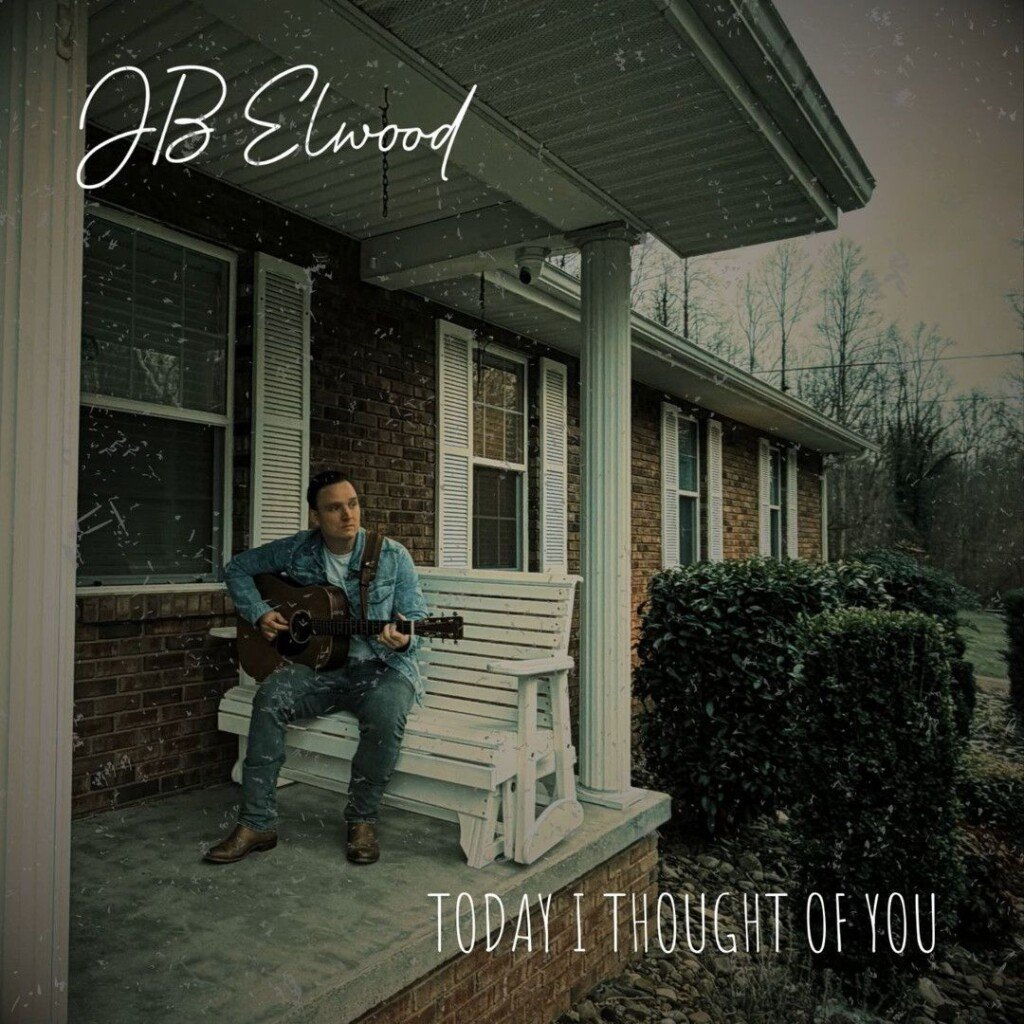
What do you believe sets your music apart? How would you describe your sound to someone discovering you for the first time, and what emotions or experiences do you hope to evoke in your listeners? JB ELWOOD: What I am trying to do with my original music is tell relatable stories than anyone can relate to regardless of background. I like to tell stories in my songs with setup, conflict, and resolution, instead of telling a generic story. For instance, my latest song release, “Today I Thought of You” is a love story through the decades. The first verse is about the romance developing in their teen years where societal expectations and responsibility is not even a worry. The second verse is about how this couple are older, they build a life together, have kids, and have careers, but she ends up getting sick. The third verse is about how I am an old man, sitting on the porch swing of the house we lived in together, and I can feel her presence comforting me and telling me that everything will be alright. I have no idea what inspired me to write this song, but it came so naturally to me whenever I was writing it. Maybe its because I am a hopeless romantic. But I hope people enjoy this song. I wanted to capture a bunch of string instruments, so the song has guitar, mandolin, banjo, and a fiddle in it.
Music often transcends entertainment. What’s your view on the role and function of music as political, cultural, spiritual, and/or social vehicles – and do you try and affront any of these themes in your work, or are you purely interested in music as an expression of technical artistry, personal narrative, and entertainment? JB ELWOOD: Some of the greatest bands and artists in the world wrote political songs like Bob Dylan, Bruce Springsteen, Creedance Clearwater Revival, and so many others. I think it is important to write that type of music because those songs are the ones that usually define a decade. On the other hand, I think modern day is different because of how divided we all are. People have lost trust in in our systems and people don’t want to hear what celebrities have to say, so I think a good political song in modern times is a song that talks about an issue that is not divisive and is something that almost everyone can agree on. With my original music, I have avoided political songs because I focus on writing songs that are relatable to people regardless of background. But, I have written a song that I will be releasing later this year that is about corporate greed and its impact on rural America. I am super excited to release that song, and I think I did a good job by remaining neutral in my stance by calling out the actual problem instead of being divisive in what I am saying. But, I think I will for the most part stick to writing music that is relatable through everyday experiences that listeners have gone through in their own lives.
Do you feel the rewards of your musical career match the energy and passion you invest in it, or are there different kinds of fulfillment you’re still seeking? JB ELWOOD: I am very grateful for all the opportunities I have had in my music career so far. I have played at some of the coolest venues in Central Texas, opened for large regional Texas artists, performed at Texas music festivals, filmed music videos, and have met so many incredible people along the way. I also play lead guitar for other bands. I have so much more to share with the world and I won’t be slowing down any time soon. The music industry is tough and it’s all about not giving up. It takes years to gain traction and some of the best artists in the music industry are local bands that haven’t had their big break yet. So, to answer your question, I do feel like the rewards of my music journey so far have matched the energy and passion that I have invested in it.
Can you walk us through your creative process? From the first spark of an idea to the finished track, what’s the most essential part of your process, and how do collaboration or external influences shape your work? JB ELWOOD: The way I write a song is I start with a guitar riff. I then build the chords around it and figure out the structure of the song. Then, I start developing the melody through humming and saying random words. Lyrics are always last for me because I want to determine what emotions the song evokes before I decide on a topic to write about. I know many artists usually start with lyrics first, and then build the instrumentation, but I do it the complete opposite. Once I write the lyrics, I have a small home studio setup and I build the song the best that I can with guitar, bass guitar, midi drum tracks, and miscellaneous instrumentation like synths. After I like where the song is currently at, that is when I reach out to my producer and get it professionally recorded.
What’s been the most challenging hurdle in either your personal life or music career, and how has it shaped you as an artist? JB ELWOOD: The most challenging hurdle in my music career is trying to break through all the barriers that prevent up-and-coming musicians from getting their music discovered. Streaming has forever changed the music industry and musicians, especially gigging musicians, are severely underpaid. Up-and-coming musicians put in 10’s of thousands of dollars into music production, songwriting, equipment, music promotion, and so much more, but the return on investment is so minimal. But I like a challenge, and that is why this understanding has shaped me into a better artist. Some of the biggest artists were in the grind for 5-10 years before they got their big break. It’s all about not giving up.
On the flip side, what moment or achievement in your career so far has made you feel the proudest, and why? And let’s talk about your latest release and future plans. JB ELWOOD: So far on my music journey, what has made me feel the proudest is all the amazing shows my band is getting. The bigger opportunities are happening and we are playing for local music festivals, opening for more well-known regional bands, and my band is sounding better and better after every single show we play. I would not be where I am at without my band members who are some of the most talented musicians I know. I am lucky to be surrounded by them and to have band members who are cheering me on and helping me get to the next level.
With social media having a heavy impact on our lives and the music business in general, how do you handle criticism, haters, and/or naysayers in general? Is it something you pay attention to, or simply ignore? JB ELWOOD: The social media world is brutal! I think there is a major problem with the overconsumption of social media that is divided all of us. But it is a necessary evil, so I post regularly on all social media platforms because that is the only way to get music heard and discovered these days. It makes me miss the days of CD’s and Vinyl’s, even though Vinyl’s are making a comeback, which is really exciting. I have had some interesting comments just a couple times on some of my posts throughout my music journey. When I first started out, it did bother me a little bit, but now, I don’t let negativity on social media affect me because I am on a journey and I have so much more music to share with the world.
Creative work in a studio or home environment, or interaction with a live audience? Which of these two options excites you most, and why? JB ELWOOD: When I first started my music journey, I would have said creative work in a studio was the most exciting part. Obviously, it still is because it is my vision coming to life in real time. But now that I perform 4-6 times a month with my band and have opened for larger Texas artists and played at festivals, I would say the interaction with the live audience is the most exciting. When you are on stage, nothing else matters and all your troubles just slip away for that hour you are playing music and people are watching, dancing, and listening. The crowd reaction to music that we play is what makes me continue with my music journey. But both are super exciting because when I am in the studio with some of the most talented musicians I know and you see everyone’s ideas coming together to craft a song, it is one of the most rewarding things in the world.
Do you think it is important for fans of your music to understand the real story and message driving each of your songs, or do you think everyone should be free to interpret your songs in their own personal way? JB ELWOOD: This is a very good question! So, my motto that I put on my social media platforms is, “Pop Rock/Alt Songs with an Appalachian Twist; My soundtrack to your life”. I always try to write relatable stories that anyone can listen to so they can immerse themselves in the music and think back on their memories and their own personal experiences with the subject matter. Most of my songs are based off my own personal experiences. In most of my songs, I usually avoid saying “I” or “me” because I want the listener to be able to create their own interpretation of my songs. That is the power of music and that is why music is universal.