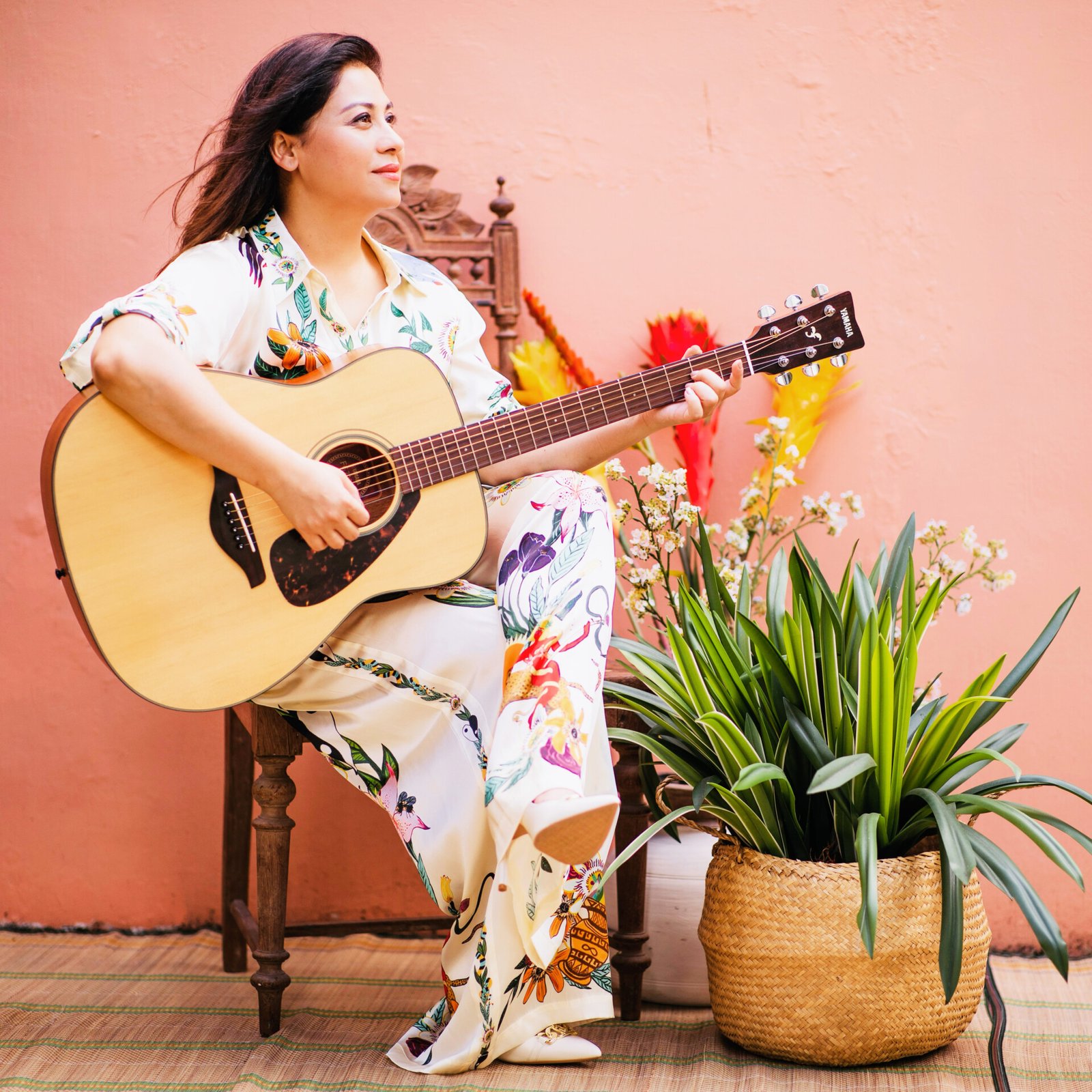
Seema Farswani is a singer-songwriter, composer, and producer whose music bridges worlds. Blending the grit of blues, the pulse of pop-rock, and the soul of Middle Eastern melodies, her sound is as emotionally raw as it is globally resonant. Her debut EP Got My Mojo (May 2024) introduced a fearless, genre-fluid voice singing across English, Arabic, French, and Spanish. It was followed by Something’s Got a Hold on Me (June 2024), a soulful reinterpretation that showcased her vocal power, and Got My Mojo feat. Dem-C (April 2025), a cross-genre reimagining pulsing with new energy.
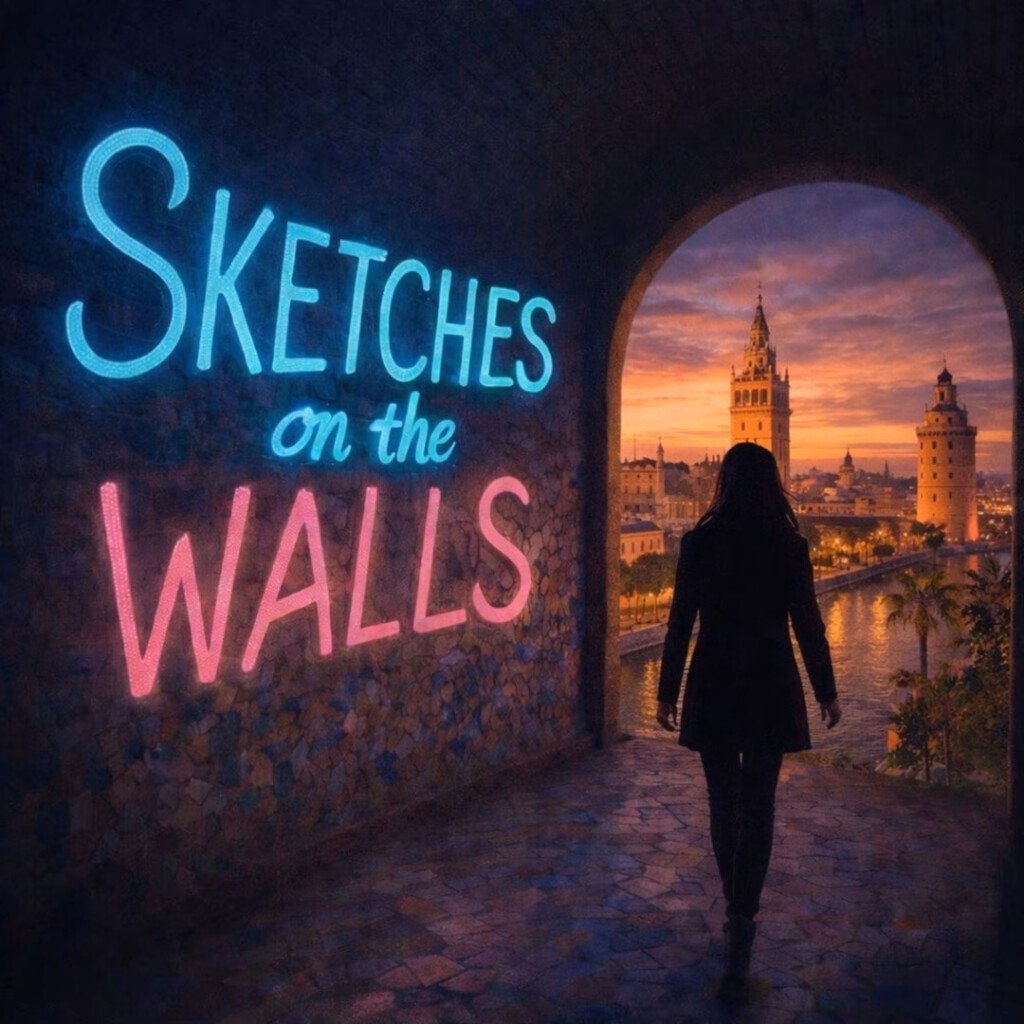
With Under A Blazing Sun (May 2025), her first debut as songwriter, crafting a nostalgic pop-rock tribute to her hometown Dubai — where desert memories meet cinematic sound. Her releases continued with Sketches on the Walls (October 2025) — a deeply personal, metaphorical soundtrack that reflects how the shades of our past and the impressions we carry shape who we are. Crafted as a global tapestry of sounds and textures, the song celebrates authenticity and the artist within us all.
Her latest, “Season of Gratitude” (December 2025) adds a tender, reflective chapter to her discography — a heartfelt piece stitched from moments, growth, and the people who shaped her year, inviting listeners to pause, reflect, and celebrate their own journeys. Seema believes music, like design and storytelling, connects worlds, guiding listeners through her fearless, reflective, and unmistakably global journey. Check out the exclusive Interview below:
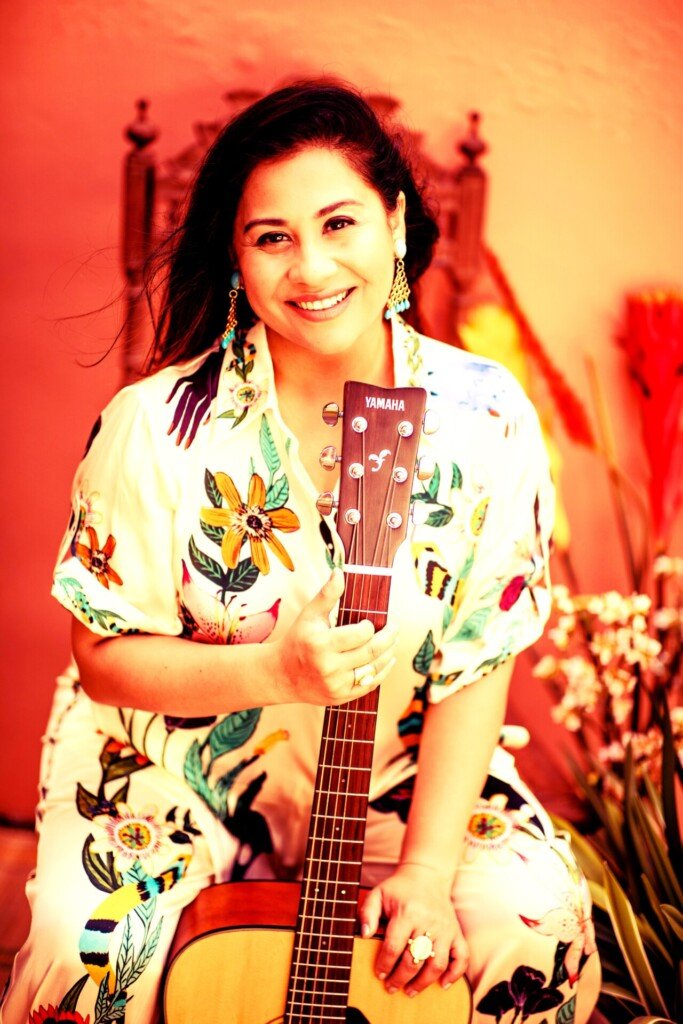
1. Did your musical journey begin with formal training, or was it more of a personal exploration? How has that shaped your unique approach to your craft?
SEEMA FARSWANI: Growing up as an Indian expat in Dubai, my roots were shaped by a blend of cultures—Arab, Indian, and friends from around the world. Those early days were filled with the sounds of Casey Kasem’s Top 40 on the radio. Listening to artists like Prince, Enigma, Whitney Houston, and Mariah Carey sparked a deep love for music, even before I saw it as a path. Later, I explored Indian classical singing, and that’s when I realized: those early influences had already planted the seed for my musical journey.
2. Who were some of the most influential figures in your early musical life, and how did they inspire your sound? Also, what’s the story behind choosing the name ‘SEEMA FARSWANI’?
SEEMA FARSWANI: Some of the most influential figures in my early musical life were Whitney Houston, Mariah Carey, Cher, and Celine Dion. I was drawn to their technique, their powerful high notes, and how they could move from soulful ballads to pop-rock anthems. I absorbed that diversity of sound, blending it with Bollywood influences and even Arabic music I grew up hearing. That love of musical diversity became central to my own style—I wanted to celebrate a range of sounds.
In some contexts, like Hebrew or Aramaic, Seema can mean “treasure,” while in Indian contexts, it translates to “border.” My parents chose the name with a broader cultural appreciation, and I’ve always found meaning in both interpretations. In a way, it feels fitting, as my music now aims to connect across cultures and borders. Farswani is my surname, and together Seema Farswani reflects both my heritage and the meaning that has grown with my journey.
3. What do you believe sets your music apart? How would you describe your sound to someone discovering you for the first time, and what emotions or experiences do you hope to evoke in your listeners?
SEEMA FARSWANI: While my music celebrates diversity- through languages, genres, and cultural influences – its heart is bringing people together. I want listeners to feel united by the shared emotions, no matter where they come from or what language they speak. It’s about connection, community, and shared humanity through sound.
4. For most artists, originality is first preceded by a phase of learning and, often, emulating others. What was this like for you? How would you describe your own development as an artist and music maker, and the transition towards your own style, which is known as POP?
SEEMA FARSWANI: Of course, it’s always by learning, and I’d say here it’s not emulating artists whom we’re inspired by, but by learning to adapt our own style down the road! I admire many artists who inspire me with their voice, versatility in various genres and style – I listen to them repeatedly but also observe the minute layers in depth the instrumentation.
5. Music often transcends entertainment. What’s your view on the role and function of music as political, cultural, spiritual, and/or social vehicles – and do you try and affront any of these themes in your work, or are you purely interested in music as an expression of technical artistry, personal narrative, and entertainment?
SEEMA FARSWANI: Music, to me, goes far beyond entertainment — it’s a universal language that carries culture, emotion, and identity across borders. While I don’t approach my work as overtly political, it naturally reflects the cultural, social, and spiritual layers of my journey and experiences.
As a multilingual, multi-genre artist shaped by different cities and influences, I’m drawn to themes of growth, nostalgia, resilience, and human connection. Songwriting often feels like a spiritual process — a way of finding my own center and sharing that space with listeners.
At the same time, I’m deeply committed to the craft itself. For me, technical artistry and emotional storytelling go hand in hand. My music lives at the intersection of personal narrative, global influences, and artistic expression – with the hope that it resonates beyond just sound.
6. Do you feel the rewards of your musical career match the energy and passion you invest in it, or are there different kinds of fulfillment you’re still seeking?
SEEMA FARSWANI: Yes, of course – it’s fuel for growth! For me, the biggest reward is simply knowing that my sound resonates with people. When a listener connects emotionally with something I’ve created, it makes every hour of work and passion worthwhile.
Everything else — growth, visibility, and opportunities — is important, but that genuine connection through music remains the most meaningful fulfillment of all.
7. Can you walk us through your creative process? From the first spark of an idea to the finished track, what’s the most essential part of your process, and how do collaboration or external influences shape your work?
SEEMA FARSWANI: The most essential part of my process is creating an initial draft where lyrics and melody go hand in hand and align with the style I’m working toward. Getting that first vibe right is the real crux — once it feels authentic and emotionally in sync, everything else can grow from there.
From that foundation, I continue developing and refining the track, tweaking it until it feels right tonally and pitch perfect. It’s a very intuitive process, guided by emotion, sound, and a constant effort to stay true to the mood and story of the piece.
Collaboration plays an important role in shaping the final sound. Working with other artists and producers brings fresh perspective, depth, and technical finesse that elevate the original idea. External influences — from different cultures, cities, and musical styles — also naturally find their way into my work, helping each track grow into something more layered and complete while still staying true to my artistic voice.
8. What’s been the most challenging hurdle in either your personal life or music career, and how has it shaped you as an artist?
SEEMA FARSWANI: One of the most profound challenges has been witnessing the fragility of life up close. It has given me a very real perspective on how easily we take this human experience for granted. While success, visibility, and recognition in music do come through hard work and persistence, moments like these remind me that life itself is delicate and deeply precious.
That awareness has shaped me as an artist. It keeps me grounded and present, and it pushes me to create a place of sincerity rather than pressure. I’ve learned to value every opportunity to create, perform, and connect — and to appreciate the goodwill and encouragement that comes from people along the way.
Ultimately, it has made my music more reflective and intentional, rooted in gratitude for both the journey and the ability to keep evolving through it.
9. On the flip side, what moment or achievement in your career so far has made you feel the proudest, and why? And let’s talk about your latest release and future plans.
SEEMA FARSWANI: One of the proudest moments in my journey so far has been hearing my music played on international radio. As an independent artist, knowing that my sound is reaching listeners across borders is both humbling and deeply affirming.
My latest release, Sketches on the Walls (Reimagined), reflects my evolving artist journey. It’s a journey of growth told in three stages — from uncertainty, through refinement, to where I stand today feeling more confident and assured as an artist. The track isn’t a remix, but a reimagining that blends Spanish and Indian influences woven intricately together, creating a ‘live’ warm global sound that represents this phase of evolution.
With future releases, my intention is to keep stretching beyond my comfort zone — to keep learning, exploring new sounds, and creating music that can have a meaningful impact on people. At the same time, I hope to build long-term, genuine relationships with collaborators who grow alongside me as the journey continues.
10. With social media having a heavy impact on our lives and the music business in general, how do you handle criticism, haters, and/or naysayers in general? Is it something you pay attention to, or simply ignore?
SEEMA FARSWANI: Naysayers are part of any creative journey. I’ve learned to see them as background noise rather than direction. Not every opinion needs a response, and not every voice deserves space in your creative process.
I stay focused on growth, discipline, and the people who genuinely connect with my music. Constructive feedback is always welcome because it helps me evolve, but negativity without intent to uplift is something I’ve learned to let pass.
At the end of the day, every artist walks a unique path. I choose to stay centred, keep creating, and allow the work to speak for its
11. Creative work in a studio or home environment, or interaction with a live audience? Which of these two options excites you most, and why?
SEEMA FARSWANI: Both excite me in equal measure because they’re deeply connected. The first phase is always creation — shaping ideas in a home or studio environment, adding depth, layers, textures, and emotion to a piece until it feels complete. That process is very personal and intuitive, and it’s where the foundation of the music truly comes alive.
From there, collaborating with other artists helps expand the sound and bring a fuller, more dynamic energy to the track. Finally, experiencing that music with a live audience is incredibly rewarding — seeing how people respond and connect with the sound gives the entire journey a deeper meaning. For me, creation and live interaction are two parts of the same artistic experience.
12. Do you think is it important for fans of your music to understand the real story and message driving each of your songs, or do you think everyone should be free to interpret your songs in their own personal way?
SEEMA FARSWANI: I believe music is deeply personal, and listeners should be free to interpret it in whatever way resonates with them. Once a song is released into the world, it no longer belongs only to the artist — it finds its own meaning in the hearts of those who listen.
While every piece I create comes from a real emotion or intention, I don’t feel people must fully understand the original message to connect with it. Sometimes the most beautiful part of music is that it allows each listener to see their own story within it.
For me, if the music makes someone feel something genuine — whether it’s comfort, reflection, strength, or joy — then it has already served its purpose.

STAY IN TOUCH:
FACEBOOK | INSTAGRAM | SPOTIFY | YOUTUBE