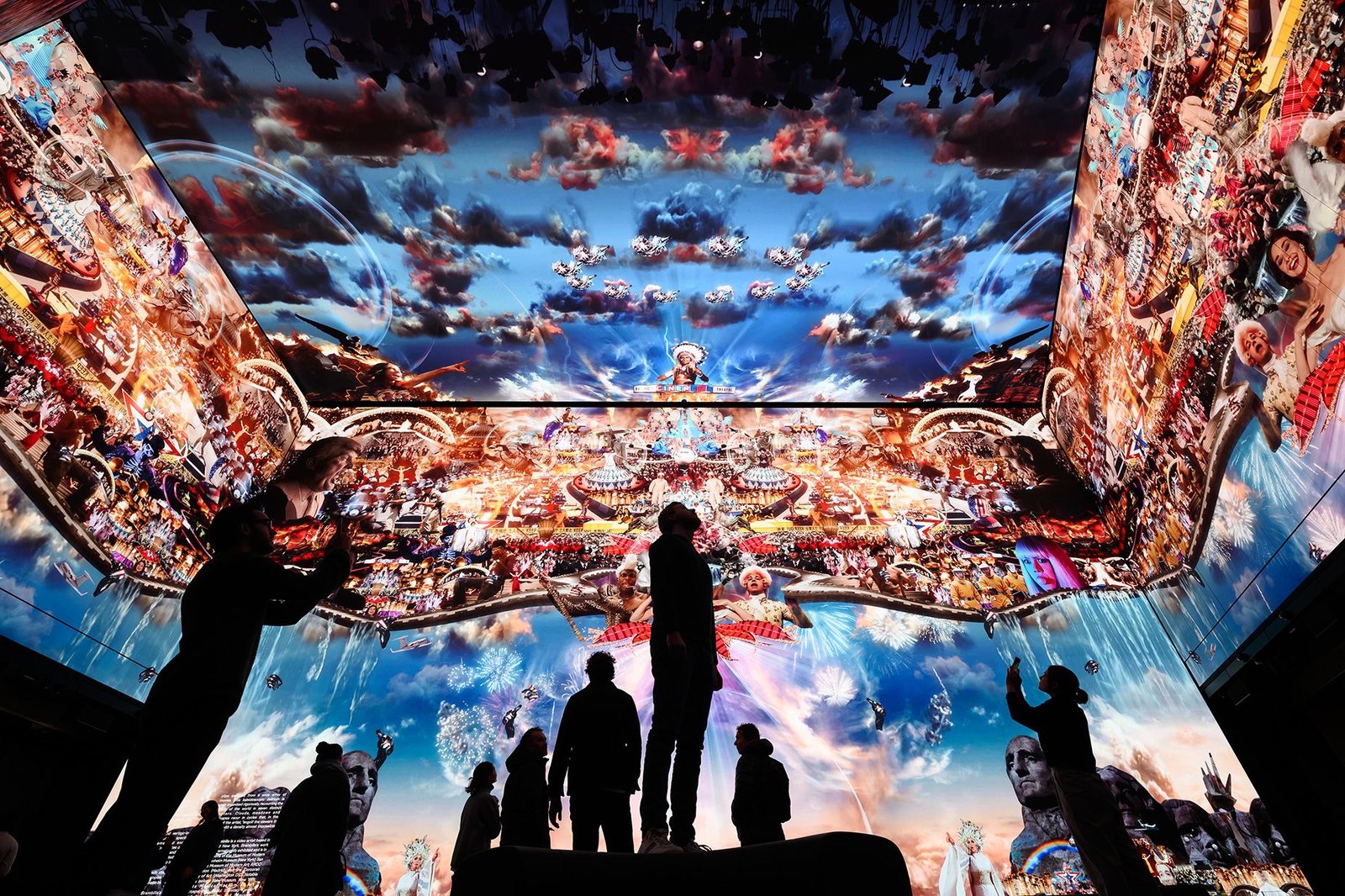
Live performances are designed to be ephemeral. A specific audience, a specific moment, and conditions that will never repeat. Yet artists increasingly treat live experiences not as endpoints, but as raw material. Through documentation, design systems, and post-event activation, they extend the life and value of performances far beyond the venue.
Why Live Experiences Need Extension
Live events require significant investment. Rehearsals. Production. Travel. Promotion. When the final note fades, the cost does not disappear. Artists who think operationally aim to amortize that effort across multiple touchpoints.
Extending a live experience increases return without diluting authenticity. The goal is not replication. It is translation. Translating energy, narrative, and identity into formats that persist.
Capturing the Experience at the Source
Everything begins with capture. High-quality documentation is non-negotiable.
Audio capture preserves performance nuance. Multitrack recordings allow remixing or live-session releases. Video capture provides visual context and scale. Photography freezes emotion and crowd interaction.
Effective capture plans focus on intent. Not everything needs to be recorded. Artists prioritize moments that communicate atmosphere, connection, and craft.
Common capture priorities include:
- Crowd reaction during peak moments
- Artist movement and stage presence
- Lighting and visual design interactions
- Close-ups that show effort and emotion
Raw assets are future inputs. Poor capture limits downstream use.
Curation Over Volume
More content is not better. Curation determines longevity.
Artists review captured material with distance. They select pieces that communicate the essence of the experience, not just the highlights. This distinction matters. Highlights show what happened. Essence shows why it mattered.
Curated collections become reference points for fans and collaborators. They also shape how the performance is remembered.
Physical formats remain relevant here. Some artists organize curated visuals into photo books as archival artifacts. Unlike feeds or folders, these collections impose narrative order and permanence. They function as documentation, not promotion.
Translating Performance Into Visual Systems
Live shows often introduce visual themes that do not exist elsewhere. Color palettes. Typography. Symbols. Stage elements. These are rarely accidental.
Artists who extend experiences extract these elements into reusable systems. Visual consistency reinforces memory. It allows fans to recognize a project without hearing a note.
This translation supports future releases, tour branding, and collaborations. It also reduces design friction by reusing established language rather than starting from zero.
Community Memory and Shared Ownership
Live experiences are communal. Extension works best when it reflects that.
Artists often encourage audience participation in preservation. Fan-submitted photos. Shared playlists. Annotated setlists. These inputs create collective memory rather than top-down documentation.
This approach shifts the experience from something consumed to something shared. Fans become stakeholders in the archive.
Engagement increases when audiences see their presence acknowledged in post-event materials.
Merch as Functional Memory
Merchandise is often misunderstood as revenue-only. In practice, it is a memory delivery system.
Effective merch connects directly to the live experience. Tour-specific designs. Date and location references. Visual motifs tied to the performance environment.
Lower in the extension stack, items like customized apparel allow artists to produce limited-run pieces that mark a specific show or tour leg. These are not generic logos. They are timestamps.
Wearable memory travels. It keeps the experience visible long after the event.
Digital Distribution and Temporal Spacing
Releasing content immediately after a show can flatten impact. Strategic spacing preserves interest.
Artists stagger releases. A photo set first. A live clip later. An acoustic version weeks after. Each release reactivates attention without overwhelming the audience.
This pacing mirrors episodic storytelling. It keeps the experience alive in phases.
Timing is deliberate. Not reactive.
Archival Value and Long-Term Identity
Extended experiences contribute to an artist’s archive. Over time, these archives define legacy.
Early performances gain meaning through contrast with later work. Growth becomes visible. Evolution becomes traceable.
Artists who invest in documentation and curation build assets that compound. These assets support retrospectives, anniversary releases, and institutional recognition.
An undocumented performance is functionally lost.
Operational Discipline Behind Creative Output
None of this happens accidentally. Extending live experiences requires operational thinking.
Clear roles. Capture checklists. Asset storage systems. Release calendars. Rights management. These structures enable creativity rather than constrain it.
Artists who treat live shows as inputs, not endpoints, build sustainable ecosystems around their work.
Making the Moment Last
Live experiences are powerful because they are temporary. Extending them does not reduce that power. It preserves it.
Through intentional capture, careful curation, and thoughtful distribution, artists allow moments to echo. Fans revisit them. New audiences discover them. Meaning accumulates.
The performance ends. The experience does not.
#This is a Contributor Post. Opinions expressed here are opinions of the Contributor. Illustrate Magazine does not endorse or review brands mentioned; does not and cannot investigate relationships with brands, products, and people mentioned and is up to the Contributor to disclose. Contributors, amongst other accounts and articles may be professional fee-based.#