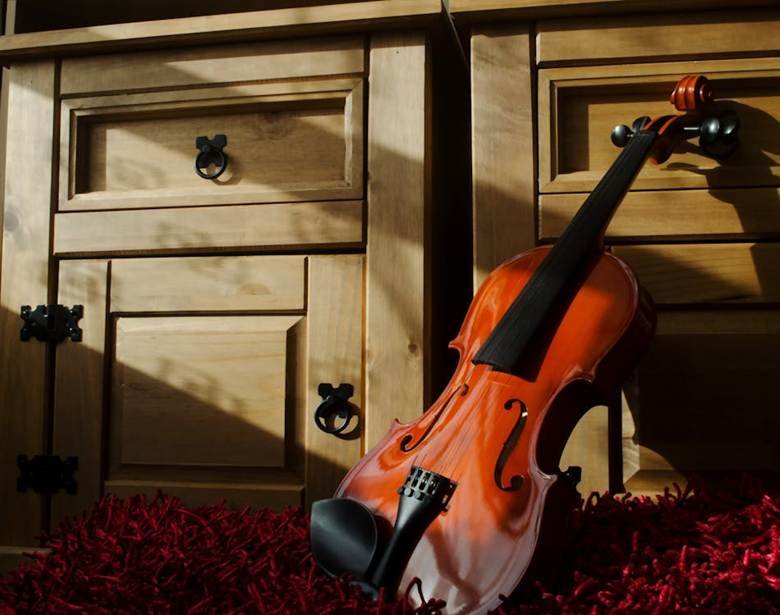
A violin left in a parked car on a hot day can suffer damage in minutes. Wood is a living material that reacts to the air around it. Many musicians spend years practicing their songs but forget to protect their tools. Professional players know a solid carrier is the first line of defense. Buying a sturdy shell from Great Violin Cases helps artists focus on their music. Protecting a violin means keeping the wood healthy for a long time.
The spruce and maple used in strings are very sensitive to air changes. These materials expand and contract based on moisture levels in the room. This movement can cause the wood to pull apart at the seams. A stable environment keeps the equipment sounding its best for every performance. This guide covers the science of keeping your gear safe and functional. You will learn how to avoid common mistakes that lead to expensive repairs.
Keeping Your Equipment Safe From Humidity
Air moisture is the biggest threat to the health of a string violin. Wood tries to match the amount of water in the surrounding air. When the air is too dry the wood shrinks and starts to crack. High humidity makes the wood swell and can ruin the glue joints. Experts recommend keeping the air between 40% and 60% relative humidity at all times. This range keeps the wood stable and prevents the neck from warping.
Using Modern Tools for Monitoring
Musicians use digital tools to track the air inside their housing throughout the day. Many new shells come with sensors that show the humidity levels on a screen. You can also buy small packs that add or remove moisture as needed. These tools work best when you keep the lid closed during the day. Consistent checking prevents the wood from changing shape during different seasons. It is a simple way to avoid structural problems before they start.
Handling Temperature Changes
Fast temperature shifts can also hurt the finish of a violin or cello. Moving from a cold car to a warm stage causes the varnish to crack. A thick carrier acts like a coat for your equipment by slowing heat transfer. High density foam designs work well to keep the internal temperature steady. This gives the wood enough time to adjust to the new environment slowly. Always let your gear sit in a new room before you open it up.
Learning About New Materials for Shells
Manufacturers now use science to make gear that is light and strong. In the past most carriers were made from heavy wood or thin plastic. Now you can find shells made from high tech carbon fiber and fiberglass. These materials protect against hard drops while being very easy to carry around. Each material has different ways of handling heat and physical pressure. Choosing the right one depends on how much you travel with your equipment.
Comparing Different Exterior Types
Every musician has different needs based on their daily schedule and travel habits. You should look at the strengths of each material before you buy one. Here is a list of common materials used in modern housing design.
- Carbon fiber is very strong and weighs almost nothing for easy travel.
- Fiberglass is a good middle choice that comes in many bright colors.
- Thermoplastic shells absorb the energy from a fall to keep the violin safe.
- Wood carriers provide the best natural insulation against heat and cold.
Artists often talk about their gear in interviews with contemporary musicians found online. They explain that their equipment is part of their voice and needs safety. Good protection allows you to travel to shows without constant fear of damage. The right shell should fit your violin perfectly with no extra room to move. A snug fit ensures the wood does not bounce around during a bumpy ride.
Maintaining the Hardware and Straps
The small parts of a carrier are just as important as the outer frame. Latches and zippers keep the lid tight so the air stays out. You should check these parts often to make sure they still work well. If a latch breaks the violin could fall out while you are walking. High quality zippers usually have a special coating to keep rain water away. Strong straps are also vital for anyone who carries their gear on their back.
Routine Checks for Your Gear
A quick look at your equipment every week can prevent a big accident. Taking care of your tools makes them last much longer over the years. You should follow a simple list to stay on top of maintenance.
- Check the screws on every hinge to make sure they are tight.
- Wipe out the inside of the housing to remove old dust.
- Look at the backpack straps for any small rips or loose threads.
- Test the lock to ensure it opens and closes without sticking.
The Smithsonian Institution offers great advice on how to preserve old musical equipment. They suggest that keeping things clean and stable is the best path to success. These habits help you keep the value of your violin high for the future. A clean carrier also prevents dirt from scratching the delicate surface of the wood. Spending a few minutes on maintenance saves you a lot of time and money.
Photo by cottonbro studio
Planning for Travel and Storage
Traveling with a violin or cello requires a lot of extra planning. Most airlines have rules for how you can carry your equipment on a plane. A small shell is easier to fit into the overhead bins above your seat. You should always call the airline before you go to the airport. This prevents any surprises when you try to board the flight with your gear. Some carriers are built specifically to meet the size limits of major airlines.
Tracking Your Equipment
Losing a valuable violin is a nightmare for any hard working musician. You can now use small tracking tags to see where your shell is. Many housings have a special pocket just for these modern tracking devices. This technology helps you find your gear if it gets left behind somewhere. It is also smart to have your name and phone number on the carrier. A clear tag makes it easy for someone to return your tools to you.
Reading the latest news and trends helps you stay informed about the music industry. You can learn from the stories of other touring artists and their travel tips. They often share their favorite ways to stay organized while moving between different cities. A good shell is more than a box for your violin or viola. It is a home for your equipment that keeps it ready for the stage.
Storing your violin the right way at home is also a big part of care. You should not leave your strings out on a stand for long periods. The air in a house changes fast when the heater or air conditioner runs. Keeping the equipment in its housing is the safest place for it to stay. This protects the wood from accidental knocks or spills in a busy room. Your carrier should be a safe space that guards your music every single day.
#This is a Contributor Post. Opinions expressed here are opinions of the Contributor. Illustrate Magazine does not endorse or review brands mentioned; does not and cannot investigate relationships with brands, products, and people mentioned and is up to the Contributor to disclose. Contributors, amongst other accounts and articles may be professional fee-based.#