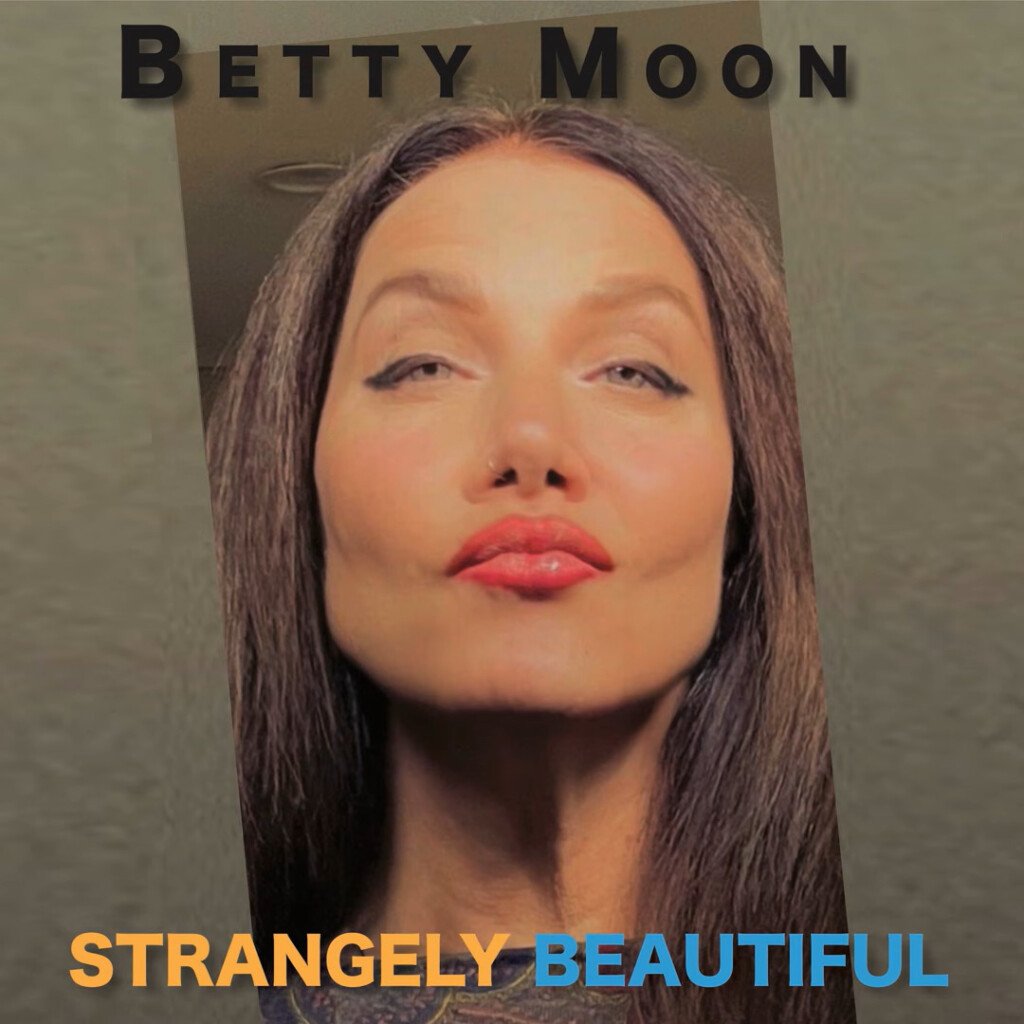
Los Angeles-based artist, songwriter, and producer Betty Moon continues to carve her own path in the modern music landscape. After first making her mark on a major label with A&M Records, Moon took full creative control of her career, launching her independent imprint Evolver Music and self-releasing over ten acclaimed albums.
With a fearless DIY spirit and genre-bending sound, Moon has built an enduring career defined by artistic freedom, sonic innovation, and a dedicated global fanbase. Her music fuses elements of rock, soul, punk, and electro-pop, creating an unmistakable energy that is both empowering and hypnotic. Over the years she has had multiple charting singles, including “Life is but a Dream”, and “Sound.” Moon’s music has been featured in major television and film placements including Californication, Dexter, Teen Mom: Young & Pregnant, Bounty Hunters, Walking the Dead, and the upcoming feature Butter. Her songs continue to reach audiences worldwide through retail airplay, online and college radio, and a growing presence across Spotify, Facebook, and Instagram.
With widespread media support from outlets like Exclaim!, Huffington Post, Celebmix, Ask Men, and Rawckus, Betty Moon remains a compelling voice in modern music. Her latest release, ‘Strangely Beautiful’ (2026), showcases the evolution of an artist unafraid to push boundaries and redefine what it means to be truly independent. Check out the exclusive Interview below:
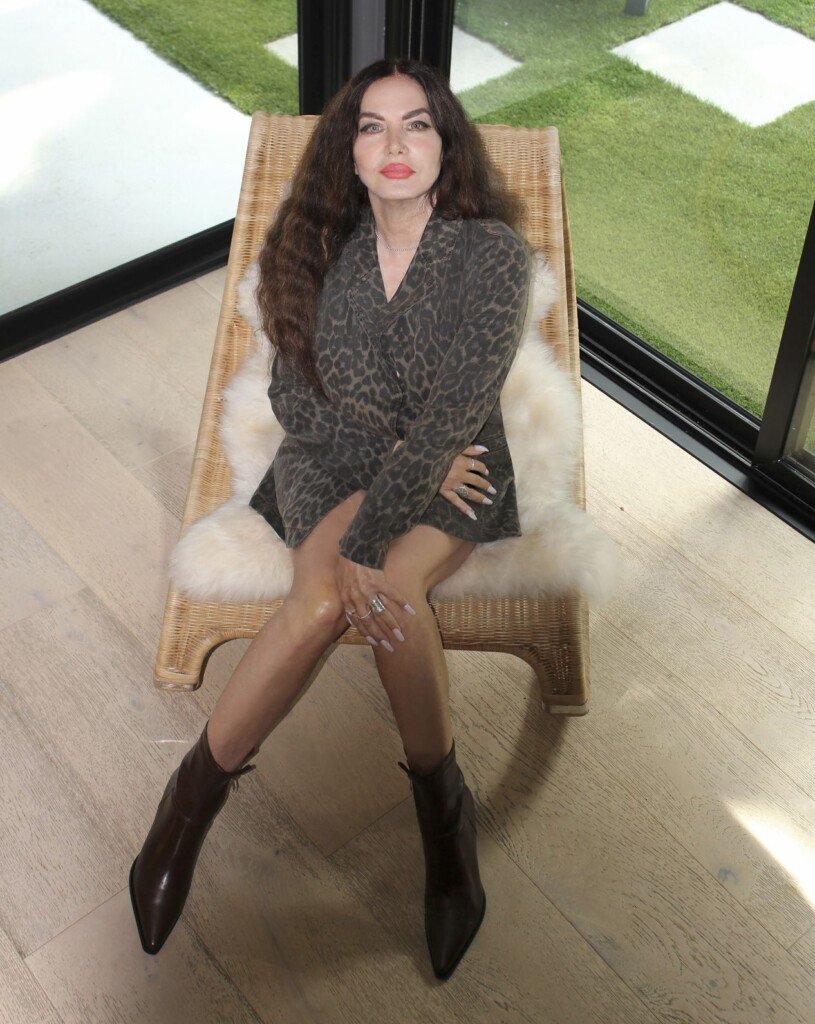
1. Your roots can often shape your journey. Can you share a story or moment from your early life that had a significant impact on your path into music?
I grew up surrounded by music, energy, and a lot of imagination. My family actually had a small recording studio on our property, and I became interested in both making and recording music at a young age. One of the biggest turning points for me was realizing early on that music could completely change the way a room felt. Whether it was playing a record at home, or feeling the energy of a live show around town. It was more than sound. It was mood, identity, attitude, and escape all at once. Coming out of Toronto, I was inspired by the city’s creativity and edge, and I knew pretty quickly that I wanted to be part of that world in my own way. I didn’t just want to sing songs. I wanted to build a sound, a presence, and a career that felt completely my own.
2. Did your musical journey begin with formal training, or was it more of a personal exploration? How has that shaped your unique approach to your craft?
It was definitely a mix, but personal exploration has always been the driving force. I learned by doing, listening, writing, performing, recording, and trusting my instincts. I went to George Brown for Theatre Arts then Humber College (the Berkeley equivalent) to studio voice and composition. Formal training can be valuable, but I think some of the most important lessons come from being in the room, making mistakes, and finding your own voice. That shaped me into an artist who doesn’t feel boxed in by rules. I’ve always been drawn to blending rock, pop, electronic, alternative, and whatever else feels right for the song.
3. Who were some of the most influential figures in your early musical life, and how did they inspire your sound? Also, what’s the story behind choosing the name ‘BETTY MOON’?
I was inspired by artists who had real identity and presence. Siouxsie, Sade, Smashing Pumpkins, NIN, Depeche Mode,Patti Smith, Bowie, Soundgarden, Alice In Chains and even Jane’s Addiction. My tastes were very diverse, I could go on forever on music I love. I loved artists and rockstars who weren’t afraid to be bold, stylish, emotional, and a little dangerous. Those who could mix strong songwriting with attitude and visuals, and that definitely influenced how I saw myself as a performer. As for the name Betty Moon, it always felt like it had a little mystery, glamour, and timelessness to it. It sounds classic, but also slightly otherworldly representing the psyche of a certain type of female. That combination fit the music and the persona I was building.
4. What do you believe sets your music apart? How would you describe your sound to someone discovering you for the first time, and what emotions or experiences do you hope to evoke in your listeners?
I think my music carries confidence, sensuality, vulnerability and a razor edge all at the same time. My sound has roots in rock and alternative music, but it also moves through pop, electronic, and cinematic spaces. For someone discovering me for the first time, I would say it’s bold, stylish, emotional, and always a little rebellious. I want listeners to feel empowered, seduced, understood, and maybe even a little transported. The best songs make you feel like you recognize yourself in them, even if they take you somewhere new.
5. For most artists, originality is first preceded by a phase of learning and, often, emulating others. What was this like for you? How would you describe your own development as an artist and music maker, and the transition towards your own style, which is known as INDIE?
Every artist starts by absorbing what they love, there’s no denying that. Whether you know it or not, every album and artist you listen to as a kid and teen sticks with you for life. You listen, you imitate a little, you experiment, and then eventually you start stripping away what isn’t your brand. For me, the transition into my own style came from trusting my instincts and refusing to stay in one lane. I came from the major-label world, but independence gave me the ability to evolve naturally. My version of indie is not about sounding small or limited. It’s about freedom, ownership, and creating without asking permission.
6. Music often transcends entertainment. What’s your view on the role and function of music as political, cultural, spiritual, and/or social vehicles – and do you try and affront any of these themes in your work, or are you purely interested in music as an expression of technical artistry, personal narrative, and entertainment?
Music can be all of those things. It can be political, spiritual, social, personal, or just something that makes you want to move. I don’t think artists have to choose only one purpose. For me, the work usually starts from emotion and personal narrative, but once a song is released, people bring their own experiences to it. I think most of us can relate to that, the meaning of the song to you may not even be what the artist was going for. That’s where it becomes bigger than you. I’m interested in making music that feels honest, electric and alive. Sometimes that means escape, sometimes it means empowerment, and sometimes it simply means giving people a place to feel something fully.
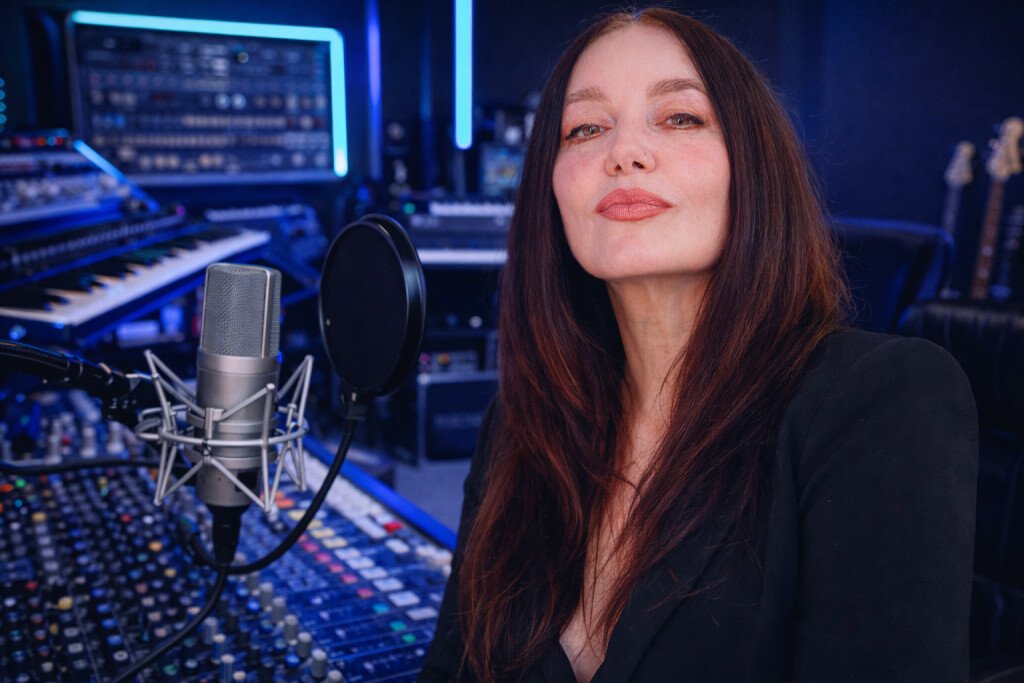
7. Do you feel the rewards of your musical career match the energy and passion you invest in it, or are there different kinds of fulfillment you’re still seeking?
The rewards have been incredible, but they are not always the obvious ones. Of course, recognition, radio, syncs, press, and audience growth matter to any artist who invests in themselves, but the deeper reward is being able to keep creating on my own terms. That’s not easy, and it takes a lot of energy, but it’s also fulfilling in a way nothing else can be. I’m always seeking the next level creatively. I think that’s what keeps an artist alive. You celebrate what you’ve done, but you’re always reaching for the next song, the next sound, the next moment.
8. Can you walk us through your creative process? From the first spark of an idea to the finished track, what’s the most essential part of your process, and how do collaboration or external influences shape your work?
The process usually starts with a feeling, a phrase, a rhythm, or a melody that won’t leave me alone. I may be outside hanging with a note pad or guitar, or in front of my pro tools rig hashing out beats and vocal ideas. You never know when inspiration comes to life. From there, I try to build the world around it.
Sometimes a Betty Moon song begins very stripped down with guitar or piano, and other times it starts with a beat or production idea. The most essential part is protecting the original emotion of the song. Production can evolve, arrangements can change, and collaborators can bring amazing new energy, but the heart of the song has to stay intact. I love collaboration when it adds something real and doesn’t dilute the identity of the track.
9. What’s been the most challenging hurdle in either your personal life or music career, and how has it shaped you as an artist?
One of the biggest challenges has been staying true to myself through all the changes in the industry over the years of doing this music industry hustle. Music has transformed so many times, from labels to digital platforms to streaming to social media, and artists have had to constantly adapt. That can be exhausting, but it also makes you stronger. I’ve learned to be resilient, independent, and very clear about who I am. Whether it’s good times or going through personal struggles, writing and creating music is always worth the time and investment. Every challenge has sharpened my instincts and reminded me that longevity comes from evolution, not standing still.
10. On the flip side, what moment or achievement in your career so far has made you feel the proudest, and why? And let’s talk about your latest release and future plans.
I’m proud that I’ve built a career with real longevity and independence. From my early days in Toronto and signing with A&M Records to launching Evolver Music and continuing to release music on my own terms in LA, it all means a lot to me. I’m especially proud of the fact that my songs have lived in so many different places, from radio to television, film, retail, and beyond. That tells me the music has movement and life outside of just one moment.
My latest EP, Strangely Beautiful, feels like another strong chapter in that story. The single “Hunger Pain” shows a more intimate and reflective side, while still carrying the attitude, pulse, and energy that people expect from me. I’m continuing to push the EP through radio, press, and new opportunities, and I’m always writing and building what comes next. For me, the future is about continuing to evolve, stay creative, and keep surprising people.Searching and finding beauty in life’s precious moments.And especially recognizing what is… Strangely Beautiful.
11. With social media having a heavy impact on our lives and the music business in general, how do you handle criticism, haters, and/or naysayers in general? Is it something you pay attention to, or simply ignore?
I mostly ignore it and keep my eye on the prize. Social media can be a great tool, but it can also be noisy, and you can’t let every opinion pull you off course. I try to stay focused on the music, the people who connect with it, and the bigger vision. That matters more than the haters.
12. Creative work in a studio or home environment, or interaction with a live audience? Which of these two options excites you most, and why?
I love the energy of a live audience, but the home studio is where I feel the most creative and in control. There’s something really freeing about being able to experiment, chase an idea, and build a song in your own environment without pressure. That’s where a lot of the magic happens for me.
13. Do you think is it important for fans of your music to understand the real story and message driving each of your songs, or do you think everyone should be free to interpret your songs in their own personal way?
I actually prefer leaving some mystery in the songs. Telling everyone exactly what a song means can be a little boring, and it takes away the imagination. Of course, I know where the song came from for me, but once it’s out in the world, it belongs to the listener too. I love when people find their own story in it and connect with it in a personal way.
STAY IN TOUCH:
FACEBOOK | INSTAGRAM | X | SPOTIFY | WEBSITE | YOUTUBE