Delia Ra is a Romanian-British composer and producer based between London and Mexico. She treats music as a visual medium, exploring mood, texture, and emotion. Her work spans film composition, experimental projects, and pop-oriented songs, all part of the same search for a voice. Check out the exclusive interview below:
1. Your roots can often shape your journey. Can you share a story or moment from your early life that had a significant impact on your path into music?
Delia Ra: I grew up in a small town in Romania, where access to music felt quite limited, unlike in places where learning an instrument as a child is more common. When I was around six, I sang solo at a local summer festival for the first time. I remember going to rehearsals at the “Casa de Cultura” (Culture House), where a teacher played an upright piano; it was the first time I saw and heard one in real life, and it felt really magical.
My mum also tells me I was obsessed with Équinoxe by Jean-Michel Jarre when I was about two, pointing at the cassette until she played it and jumping around to it.
2. Did your musical journey begin with formal training, or was it more of a personal exploration? How has that shaped your unique approach to your craft?
Delia Ra: I took a few singing lessons before my first local performances when I was six, but after that it was mostly self-taught. I had a toy keyboard I loved exploring, and later, around fifteen, I picked up a guitar (as you do as a teenager) and learned basic chords to sing along to.
In my mid-teens I discovered Fruity Loops and started making music on a Pentium III PC, clicking notes in with a mouse without really knowing what I was doing (and no midi keyboard). That way of learning production without many tools or structure was so intuitive and playful. One of those early tracks is still online on SoundCloud and YouTube (a pretty bad psychedelic ambient piece), but I’ll never delete it. It’s part of that time.
3. Who were some of the most influential figures in your early musical life, and how did they inspire your sound? Also, what’s the story behind choosing the name ‘Delia Ra’?
Delia Ra: I’ve always found this question difficult. Growing up pre-internet in Eastern Europe, you absorbed everything from TV (VH1, MTV) and I was trying out different identities. I could be listening to Bach, Queen, Romanian folklore, Black Sabbath, Christina Aguilera, Avril or Aaliyah in the same day. It all coexisted.
Music was also very tied to culture and phases and I could never decide: one moment I’d be emo or punk, the next recording vocals with local rappers, then raving on electronic music.
The internet arrived in my mid-teens, and I discovered IDM and ambient artists like Venetian Snares and Boards of Canada, which opened another space, more about texture, atmosphere. Around the same time, I started uploading covers and ideas on YouTube and connecting with people; some of those bedroom musicians inspired me too.
In my late teens at university, I briefly sang in a jazz covers band in Bucharest; that was my first time making money from music. I had Ella Fitzgerald on repeat for a long while.
So I don’t have a few clear influences, it’s more about openness, and I think music should allow that. That’s why my work moves between different styles; it’s a bit of a curse, but I’m still trying to make sense of it.
As for the name, Delia Ra is simply my first name and the first two letters of my surname.
4. What do you believe sets your music apart? How would you describe your sound to someone discovering you for the first time, and what emotions or experiences do you hope to evoke in your listeners?
Delia Ra: Honestly, not much sets me apart, at least not yet. If anything, it’s the confusion, the unpredictability. I have experimental releases alongside ambient and alt-pop tracks. Some are soothing, some less so. There are plenty of unreleased projects waiting to be shared, and I’m looking forward to that.
5. For most artists, originality is first preceded by a phase of learning and, often, emulating others. What was this like for you? How would you describe your own development as an artist and music maker, and the transition towards your own style, which is known as POP?
Delia Ra: Early on, I was mostly emulating different genres, voices, styles, developing my singing, picking up some basic guitar, and experimenting with production on my PC. It was all quite instinctive, just following what felt interesting at the time. When I moved to London things became more collaborative – jamming with people, studying performing arts, and getting into theatre and film. I did some sound design and composed for a couple of film projects, which shifted my focus towards narrative and atmosphere.
I think I began emulating even more, but this time across disciplines.
Regarding my own style, I’ve always written pop in some form, I just never really released it. With my current single, it’s the first time it’s come forward more clearly. I don’t think I’ll ever stick to one genre…it’s just how I work.
6. Music often transcends entertainment. What’s your view on the role and function of music as political, cultural, spiritual, and/or social vehicles – and do you try and affront any of these themes in your work, or are you purely interested in music as an expression of technical artistry, personal narrative, and entertainment?
Delia Ra: For me, music has always been more of a personal, expressive, almost spiritual space than a platform for making a statement. I’m drawn to creating or accessing a certain world through sound. I deeply respect artists who engage with political or cultural themes in meaningful ways; it’s really hard to do that the right way!
7. Do you feel the rewards of your musical career match the energy and passion you invest in it, or are there different kinds of fulfillment you’re still seeking?
Delia Ra: Yes, I don’t always spend as much time on my own music as I’d like, so in a way, the rewards match. The process itself is deeply fulfilling, even if it’s hard work – writing, producing, and managing time while earning a living can be challenging. I do make a decent amount from session work and cover gigs too, but that is more my performer/entertainer side rather than my own artistic work.
8. Can you walk us through your creative process? From the first spark of an idea to the finished track, what’s the most essential part of your process, and how do collaboration or external influences shape your work?
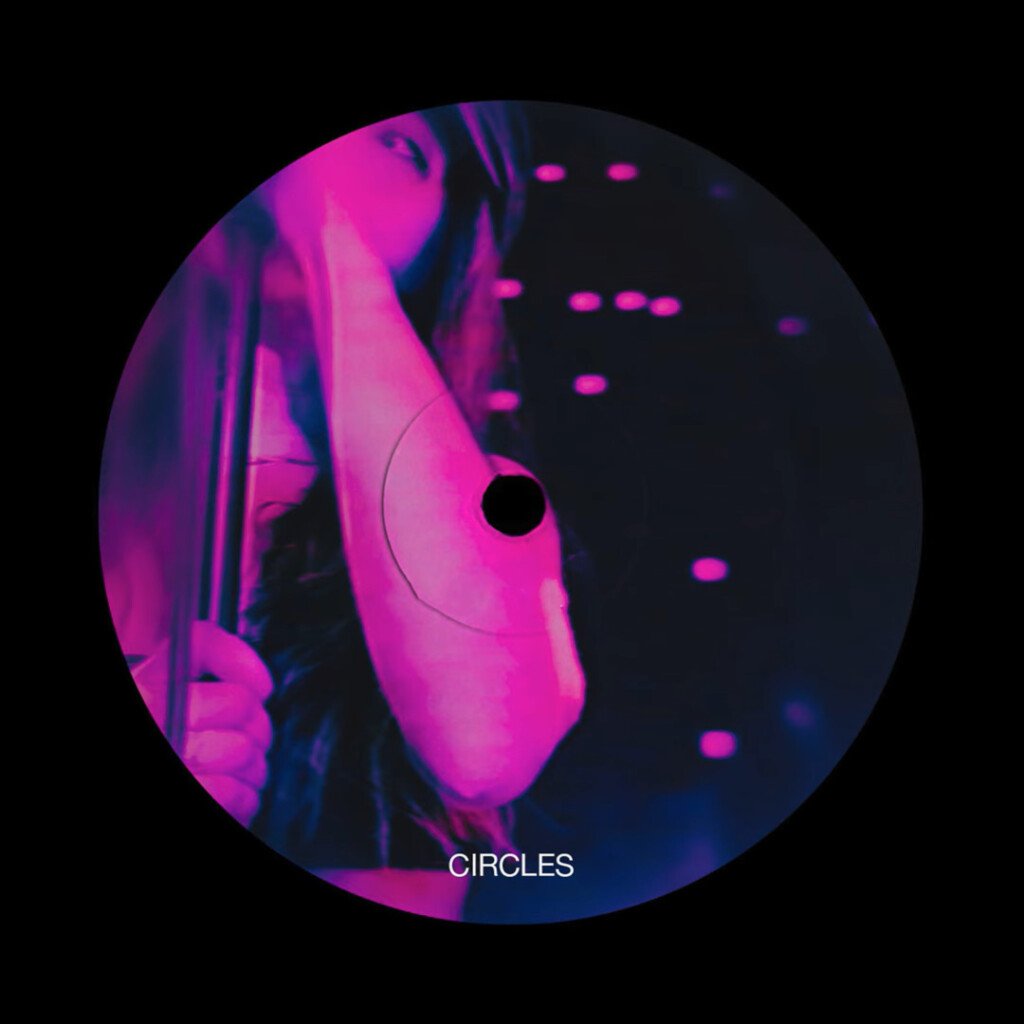
Delia Ra: My process often starts with a sound I like, a chord progression, or anything that sparks a feeling I can grab onto. For Circles, it began with a feeling while I was walking. That melody and lyrics came to me, and I recorded them on my phone. Months later, I revisited the idea and produced it. The initial version had a strong R&B vibe, but over time it evolved into the track it is now.
I work solo; collaboration in production isn’t something I typically do; Circles was a first for me: the guitar solo wasn’t planned, but I invited Alex McBain to see if he could add something, and he nailed it perfectly.
9. What’s been the most challenging hurdle in either your personal life or music career, and how has it shaped you as an artist?
Delia Ra: Honestly, this one is one for a novel. We’ll see when I actually take shape…I’m a flexible dough at the moment.
10. On the flip side, what moment or achievement in your career so far has made you feel the proudest, and why? And let’s talk about your latest release and future plans.
Delia Ra: I wouldn’t really call it a career, but I’m proud of not giving up on creating. Despite life being busy, I’ve kept music alive, whether quietly writing in my bedroom or performing with bands.
Right now, I’m preparing an ambient album and another pop single with a summer feel.
11. Creative work in a studio or home environment, or interaction with a live audience? Which of these two options excites you most, and why?
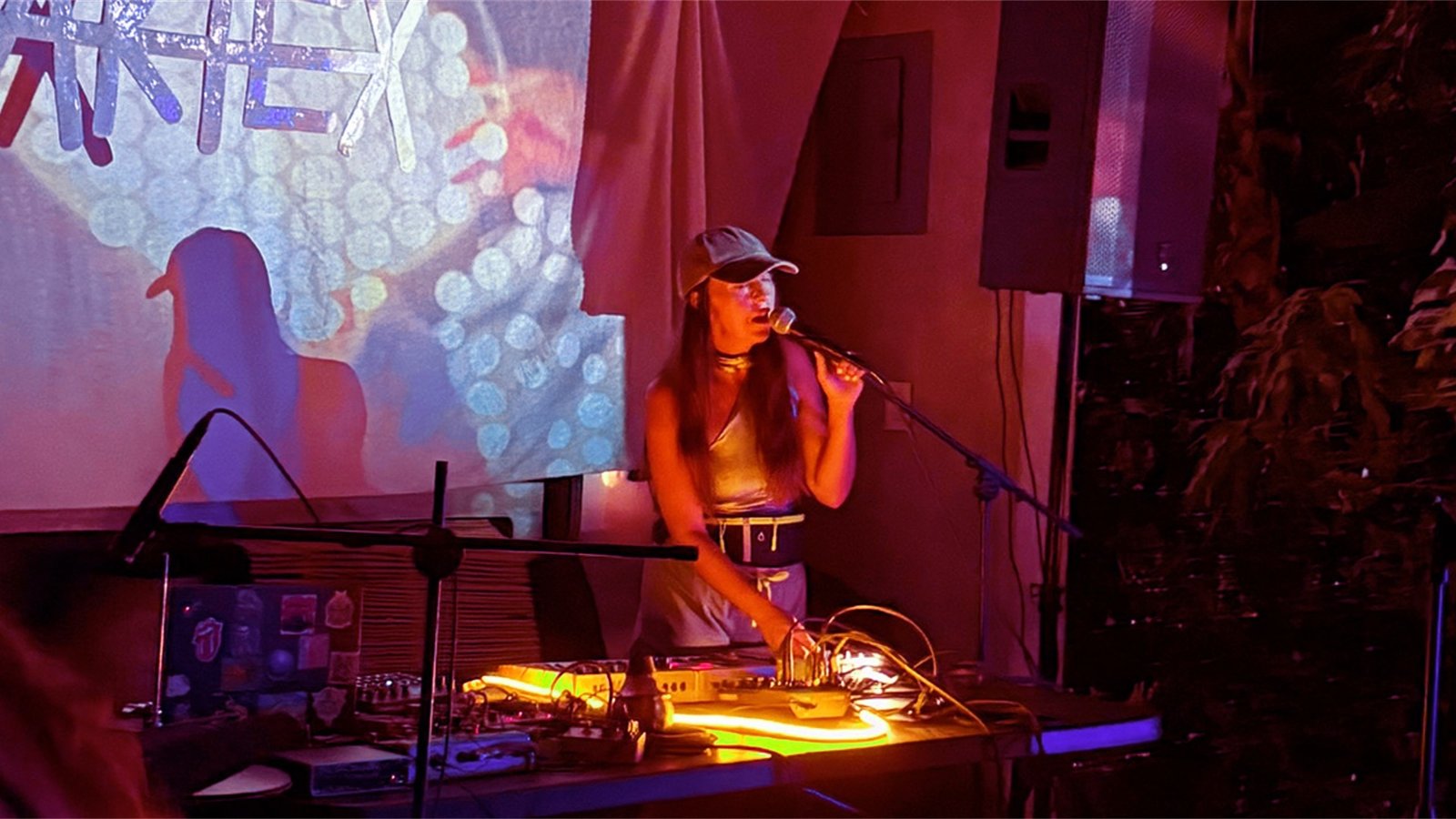
Delia Ra: With a theatre background, there’s something about being on stage that I really love. Through function gigs, I’ve recently been performing a lot of funk, soul, and blues, and seeing people dance and vibe with us is a special kind of energy.
At the same time, performing my own music live is still new to me. I played my ambient set for the first time, and it felt quite vulnerable; there’s always that fear of boring people while I’m tweaking a sampler or synth.
I also deeply love the studio, especially working from home. It’s immersive and pure, almost like sitting in a quiet prayer and hearing something come back through the music.
STAY IN TOUCH:
INSTAGRAM | SPOTIFY | BANDCAMP | WEBSITE | YOUTUBE