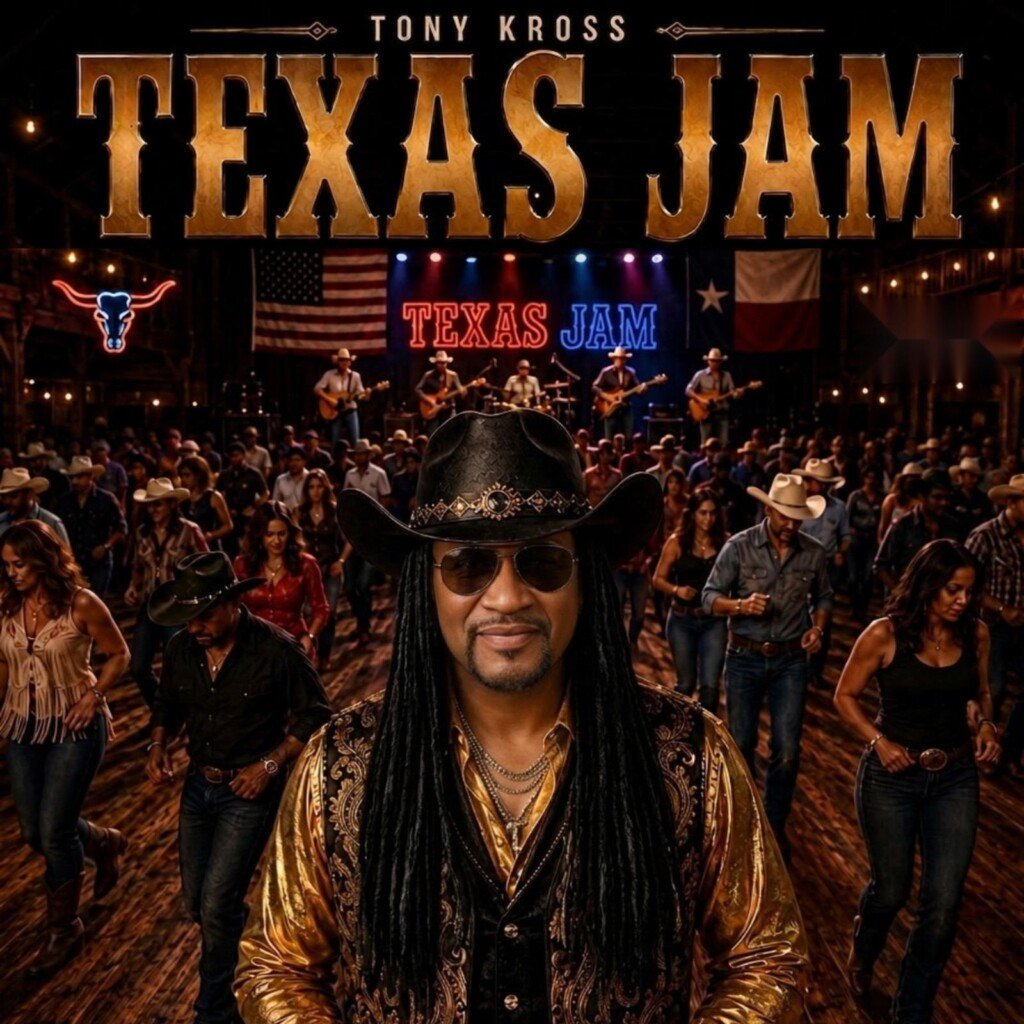
Tony Kross is a Waco, Texas-based singer, songwriter, and entertainer who brings high-energy country-pop flair to dance floors, social feeds, and line-dance halls. Blending country flavor with contemporary pop energy, his music is driven by an infectious beat, memorable hooks, and an engaging style built for movement and audience connection. Ahead of his single “Texas Jam”—released through KrossedOut Records with an interactive grassroots campaign designed for dancers, choreographers, and social content creators—we caught up with Tony to talk about bringing Texas-sized energy to his music, crafting tracks made for dance floors, and building his presence as a multi-genre entertainer. Check out the exclusive interview below:
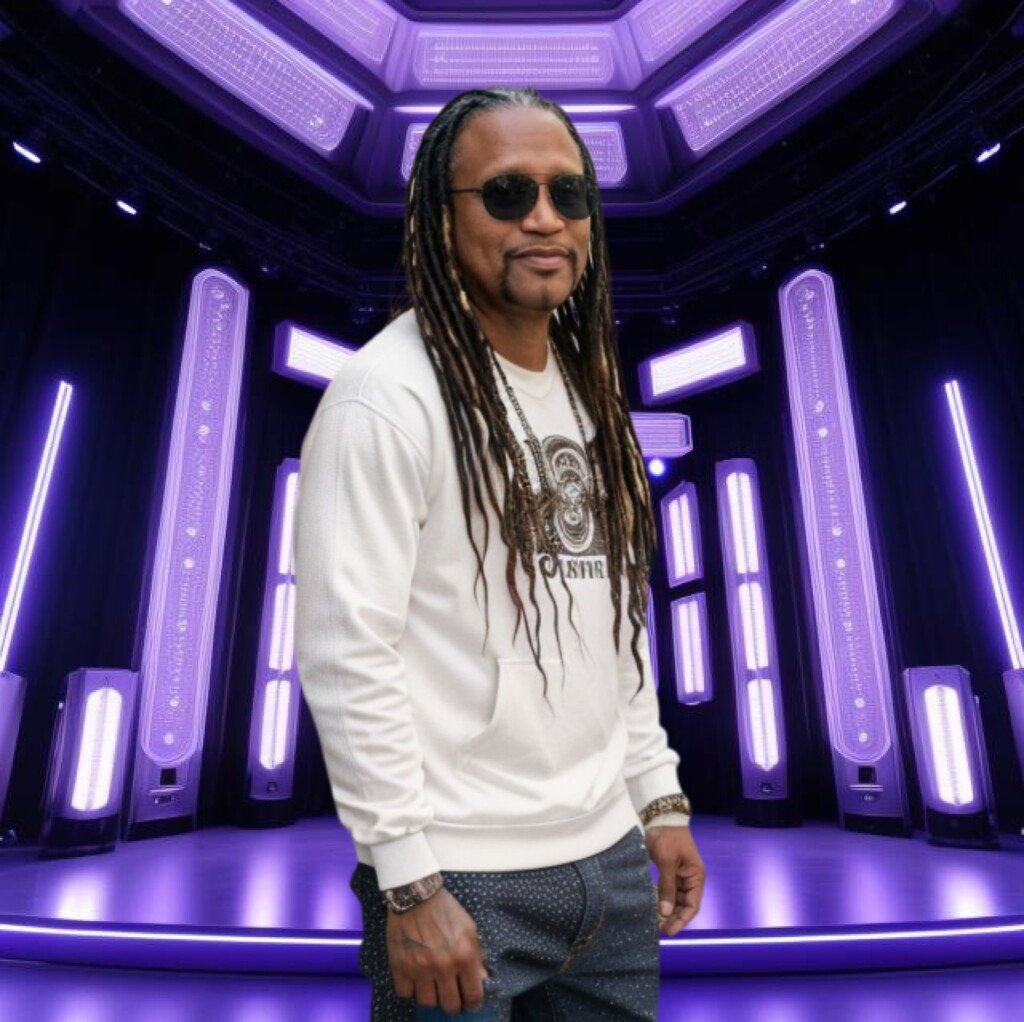
1. Your roots can often shape your journey. Can you share a story or moment from your early life that had a significant impact on your path into music?
Tony Kross: I was born in Waco, Texas, but at 15, I moved to Los Angeles to live with my father, who is a preacher. At school, there was an announcement for auditions for new artists — it was my dream, so I auditioned and won my place in a group. But my dad didn’t believe in singing outside of church, and he didn’t allow it. I was even selected as a model in a major magazine, and he didn’t allow that either.
So I kept my singing a complete secret. At night, I would sneak out with the singing group I formed in high school, and we would sing in competitions, events, and nightclubs all the way to Las Vegas. We got chased by hundreds of girls, signed hundreds of autographs — and I was never once suspected. I hid the money and trophies and still got up on time for school. That double life in LA is where I became an artist. I came back to Texas when I was about 19, but I brought everything I had learned and experienced in LA back with me.
2. Did your musical journey begin with formal training, or was it more of a personal exploration? How has that shaped your unique approach to your craft?
Tony Kross: I never had formal training. For me, music was something I learned by doing. I listened to the artists I admired, studied what they did, experimented with my own voice and learned from performing.
I think being self-taught is part of the reason I don’t approach music by a set of rules. I learned to trust my ear and my instincts. Even today, I don’t sit down and think, “This song has to sound like this genre” or “I have to write it this way.” I let the song tell me where it wants to go. That freedom is probably one of the reasons I’ve never fit comfortably into one musical box. I can move between country, R&B, soul, pop, hip-hop and other styles because that’s how I learned music in the first place — by exploring all of it.
3. Who were some of the most influential figures in your early musical life, and how did they inspire your sound? Also, what’s the story behind choosing the name ‘Tony Kross’?
Tony Kross: Gospel music, James Brown, Michael Jackson, The Temptations, New Edition, and so many of the artists my grandparents introduced me to had an influence on me. I was also shaped by R&B, soul, the LA sound and the music I was surrounded by growing up.
I never wanted to become a copy of any one artist. I took something from all of them — performance, soul, energy, storytelling, stage presence — and over time all of those influences became part of my own sound.
As for Kross, that’s my name. But I’ve always thought it fits me and the life I’ve lived. I’ve crossed different places, different worlds, different stages of life and different genres of music. I’ve never followed one straight musical road. Somehow all of those roads crossed along the way and created the artist I am today.
4. What do you believe sets your music apart? How would you describe your sound to someone discovering you for the first time, and what emotions or experiences do you hope to evoke in your listeners?
Tony Kross: I think what sets my music apart is that I don’t create from just one place or one genre. There’s Texas in me, there’s R&B and soul, gospel, hip-hop, pop and everything I’ve experienced throughout my life. My father only wanted me to sing gospel, but there were so many other kinds of music inside me too. I don’t try to separate those influences when I create.
Sometimes when I write, it honestly feels like something else takes over and guides the lyrics. I can go into the studio and just allow my soul to create. I feel a connection to the artists who came before me, almost like their spirits and the music they left behind are still inspiring me. I know that might sound crazy to some people. There was a time when I wondered about it myself. Now I see it as a beautiful gift God blessed me with, and I’m thankful for it.
More than anything, I want people to feel something when they hear my music. It might make you dance, think, remember somebody, cry, laugh or see part of your own life in it. If you feel something, then the music did what it was supposed to do.
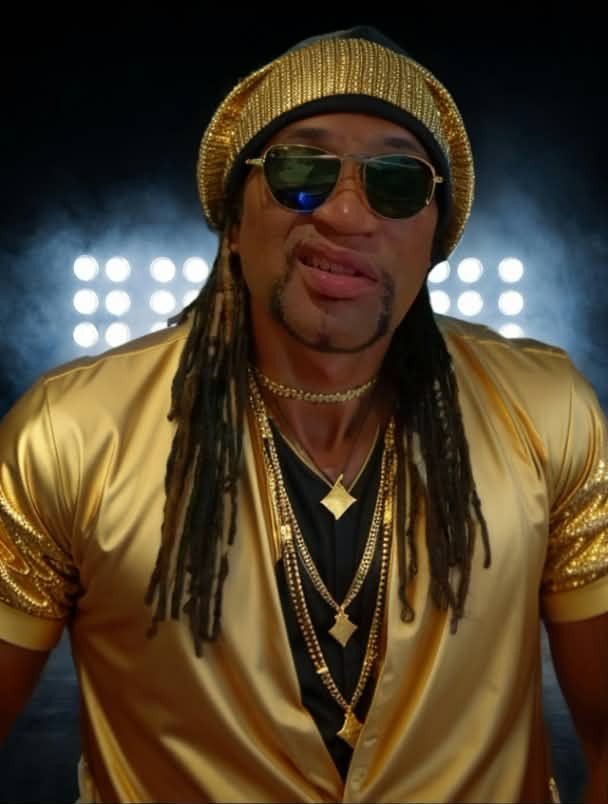
5. Every artist is shaped by the music and performers who came before them. How did those early influences help you develop your own sound, and what led you to eventually embrace country music as part of your style?
Tony Kross: My own sound really started coming together when I stopped trying to fit into just one box and embraced my whole musical background.
Karaoke actually played a big part in bringing country music back into my life. Whenever I sang country, the crowds responded. I gained a lot of popularity from those performances and started getting offers to perform solo at different venues. Karaoke brought me back to life.
I had always wanted to do country, but the hip-hop environment I was surrounded by didn’t really embrace it. Eventually, I grew past worrying about that. I realized I didn’t have to choose. Country became another part of who I am musically, alongside R&B, soul, hip-hop, pop and everything else that shaped me. I don’t look at those genres as competing with each other. They’re all pieces of me.
6. Music often transcends entertainment. What’s your view on the role and function of music as political, cultural, spiritual, and/or social vehicles – and do you try and affront any of these themes in your work, or are you purely interested in music as an expression of technical artistry, personal narrative, and entertainment?
Tony Kross: Music has always been more than entertainment to me. I grew up knowing the spiritual power of music through gospel, but I’ve also seen music become freedom, healing, celebration and a way to speak about things people sometimes don’t want to talk about.
Some of my music does touch on social issues. I’ve written about racism, division and the need for people to wake up and pay attention to what’s happening around us. I don’t think music always has to give you the answer. Sometimes its job is to make you think, make you feel something or make you look at something from a different point of view.
Other songs come from faith, pain, love or survival. And sometimes the purpose of a song is simply to make people forget about everything else for a few minutes, get up, dance and have a good time. There’s value in that too. That’s one of the beautiful things about music. It can bring together people who might disagree about almost everything else. We can come from different backgrounds, have different beliefs and different experiences, and still connect to the same song.
So yes, I want to entertain people. But I also believe music can make people feel, think, heal, question, celebrate and connect. Sometimes that’s much bigger than entertainment.
7. Do you feel the rewards of your musical career match the energy and passion you invest in it, or are there different kinds of fulfillment you’re still seeking?
Tony Kross: I’m proud of what I’ve accomplished, especially reaching the Timbaland Global Finals and being ranked #2. Having my music reach people on a global stage meant a lot to me.
But some of the greatest rewards aren’t trophies or rankings. I love hearing from people who listen to my music. When somebody tells me they love a song, that it helped them through something, made them smile or just made them want to play it again, that means more to an artist than people probably realize. Even the simple things matter, especially to independent artists. Somebody giving your song a thumbs-up, following you, sharing it with somebody or adding it to their playlist might take them a few seconds, but to the artist who created that music, it can mean a lot. It tells us somebody is listening.
I still have hundreds of songs I’ve written and a lot of music the world hasn’t heard yet. For me, the greatest fulfillment is going to be getting that music out there and seeing where it connects. I still feel like there is so much ahead of me. In a lot of ways, I feel like I’m just getting started.
8. Can you walk us through your creative process? From the first spark of an idea to the finished track, what’s the most essential part of your process, and how do collaboration or external influences shape your work?
Tony Kross: My songs usually come to me complete. If I pick up a pen to write, I’ll sit down and write the whole song. Other times, I can walk into the studio, turn on the mic with nothing written down and no idea what’s going to come out, and the song just comes. The lyrics, the melody, the feeling — it’s all there.
I’ve even gone back the next day and listened to something I freestyled in the studio and thought, “I did that?” because I was so completely in the moment when it came out. That’s how naturally some of these songs come to me. After that, I might add tracks, collaborate or build out the production, but the song itself usually comes naturally and all at once. I’ve written hundreds of songs that way.
For me, the most important part of the process is trusting what comes. If something is flowing through me, I don’t want to overthink it or get in its way. I let it happen and figure out what we have afterward.
9. What’s been the most challenging hurdle in either your personal life or music career, and how has it shaped you as an artist?
Tony Kross: Cancer changed me.
There was a point when I didn’t know if I was going to make it. When you’re fighting for your life, everything else starts looking different. Things that seemed important before aren’t so important anymore, and you start thinking seriously about what you still want to do with the time you’re given.
I had some very dark moments. There were times when I questioned why I was fighting so hard and times when I wanted to give up. But eventually something in me changed. I decided I wasn’t going to let cancer decide how my story ended.
Surviving gave me a different perspective on life. I don’t want to keep putting things off or leave all of this music inside me unheard. I have hundreds of songs I’ve written, things I still want to accomplish and people I still want my music to reach. Cancer gave me another chance at life, and I’m not interested in wasting it. I’m still here. I’m still creating. I’m still dreaming. And there’s a lot I still intend to do.
10. On the flip side, what moment or achievement in your career so far has made you feel the proudest, and why? And let’s talk about your latest release and future plans.
Tony Kross: Being ranked #2 in the Timbaland Global Finals is something I’m extremely proud of. Having my music reach a global stage and seeing people from around the world support it showed me just how far a song can travel.
My latest release is Texas Jam. It’s high-energy, it’s made to get people moving, and I’m excited to see what people do with it. I want dancers to put their own style on it, create their own dances and videos, and help Texas Jam travel far beyond Texas.
But Texas Jam is only one side of me. I’m a multi-genre artist. I do pop, R&B, soul, hip-hop, rap, country and more. I already have multiple albums completed and hundreds of songs written, so there is a lot more music coming.
I’m also building KrossedOut Records and continuing to grow KX Radio. Supporting independent artists is something that’s very important to me. KX Radio gives independent artists another place for their music to be heard, and through KrossedOut Records I enjoy artist development — recognizing what makes an artist special and helping them develop that rather than trying to turn them into somebody else. I know how much it means when somebody believes in your music, so I like being able to give that support to other artists too.
People can follow everything I’m doing at TonyKross.com. I’ve spent a lot of my life with music inside me that the world hadn’t heard. That’s changing now. The secret is out, and I’ve got a lot to show this world. I’m just getting started.
11. With social media having a heavy impact on our lives and the music business in general, how do you handle criticism, haters, and/or naysayers in general? Is it something you pay attention to, or simply ignore?
Tony Kross: I’ve dealt with naysayers for a long time. Even some of the people closest to me didn’t always believe in my music. There were times when I was made to feel like I was wasting my time chasing music and should just let that dream go. I’m glad I didn’t.
I’ve learned that criticism from strangers doesn’t hurt nearly as much as feeling unsupported by people you love. But eventually I learned to let go and let God. I realized I could still love people without allowing their doubt or negativity to hold me down mentally or spiritually. I was like a helium balloon with weights tied to it. Once I released those weights, I began to rise without limits.
A lot of that pain went into my music. It inspired my single I’m Gon’ Rise, which is much more than a song to me. I call it God’s letter to my soul. It helped keep me inspired during one of the hardest periods of my life, and it still inspires me today. Some of those experiences have also gone into an unreleased pop album I’ve written. There’s truth in those lyrics — real pain, real hurt and real tears that hit the pages while I was writing.
I believe God gives us gifts for a reason. Maybe your gift is meant to bless somebody else. Maybe it’s meant to reach somebody you will never even meet. But it can’t do that if you bury it because somebody else made you believe it wasn’t worth pursuing. So if criticism is constructive and there’s something I can learn from it, I’ll listen. But haters? I let them talk. Everybody isn’t going to believe in you, and everybody isn’t supposed to come with you.
I focus on the people who do support me — my fans and the people who genuinely want to see me succeed. Their love is louder than the hate. I’m about love and forgiveness now, but forgiveness doesn’t mean you have to keep carrying people who suppress you. Sometimes you have to love people from a distance, release the weight and keep rising.
12. Creative work in a studio or home environment, or interaction with a live audience? Which of these two options excites you most, and why?
Tony Kross: Both are magical, but a live audience excites me every time. The studio is where I get to create. There’s something special about walking in with nothing but an idea — or sometimes not even an idea — and walking out with a song that didn’t exist before.
But live? Live is where it becomes real.
There’s nothing like watching a song leave you and become somebody else’s experience. You see people singing, dancing, smiling and reacting to something that came out of you. That’s a feeling you can’t get when you’re alone in a studio. When I see boots hitting the floor to Texas Jam, that’s when I get to see the music doing what I created it to do.
I love creating music, and I’ll probably write songs as long as I’m alive. I create the song, but the audience brings it to life.
13. Do you think it is important for fans of your music to understand the real story and message driving each of your songs, or do you think everyone should be free to interpret your songs in their own personal way?
Tony Kross: I think both.
I want people to know my story because that truth is part of what makes the song honest. When I write about pain, faith, love, survival or getting back up after life knocks you down, those feelings come from real places in my life. But once I release a song, it’s yours.
I’m Gon’ Rise came out of something deeply personal for me, but somebody listening to it might be fighting a completely different battle. They don’t have to have lived my life for that song to mean something to them.
The same thing goes for a song like Texas Jam. I created it from my world and my love for Texas, music and bringing people together, but somebody else might hear it and make it part of their party, their dance, their road trip or their own memory.
That’s what I love about music. I write my truth, but I want you to hear your truth in it. I give you my story, and somewhere inside it, maybe you find yours.

STAY IN TOUCH:
FACEBOOK | INSTAGRAM | SPOTIFY | TIKTOK | WEBSITE | YOUTUBE