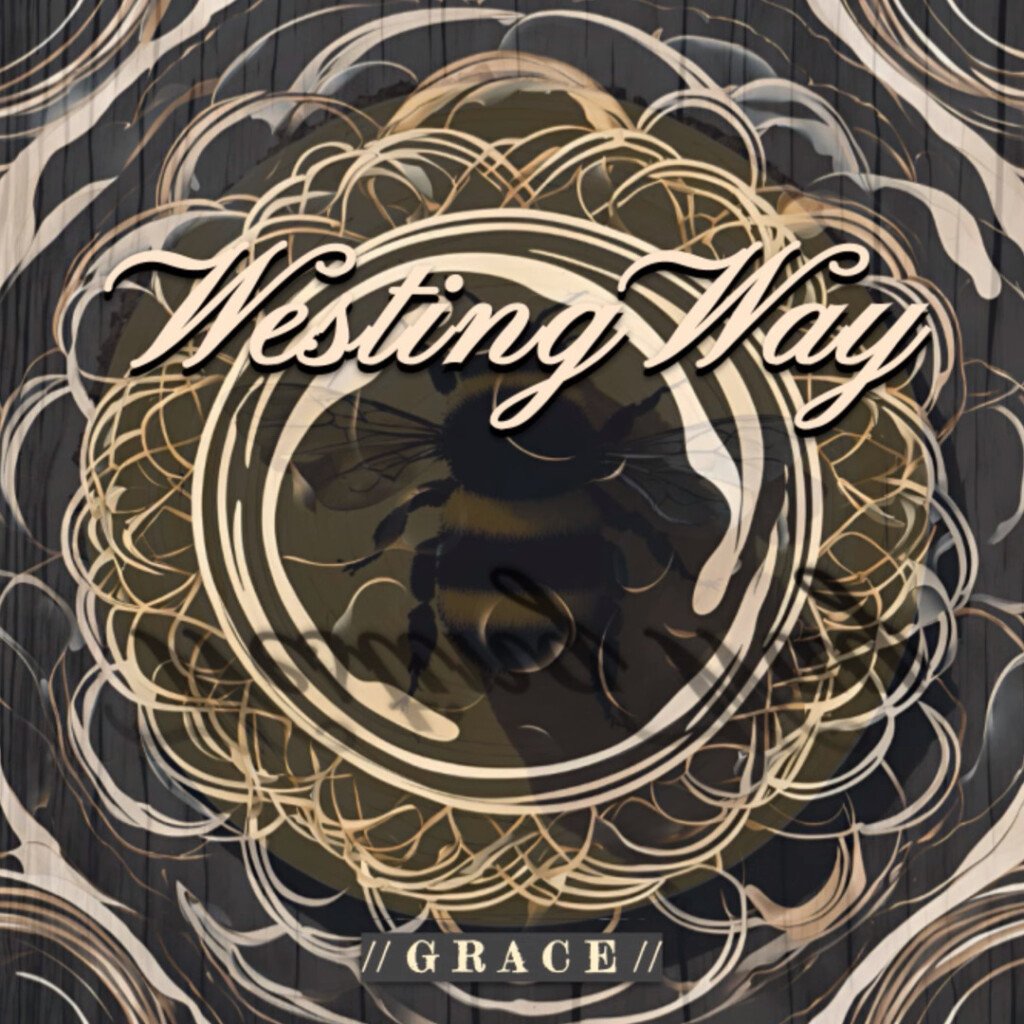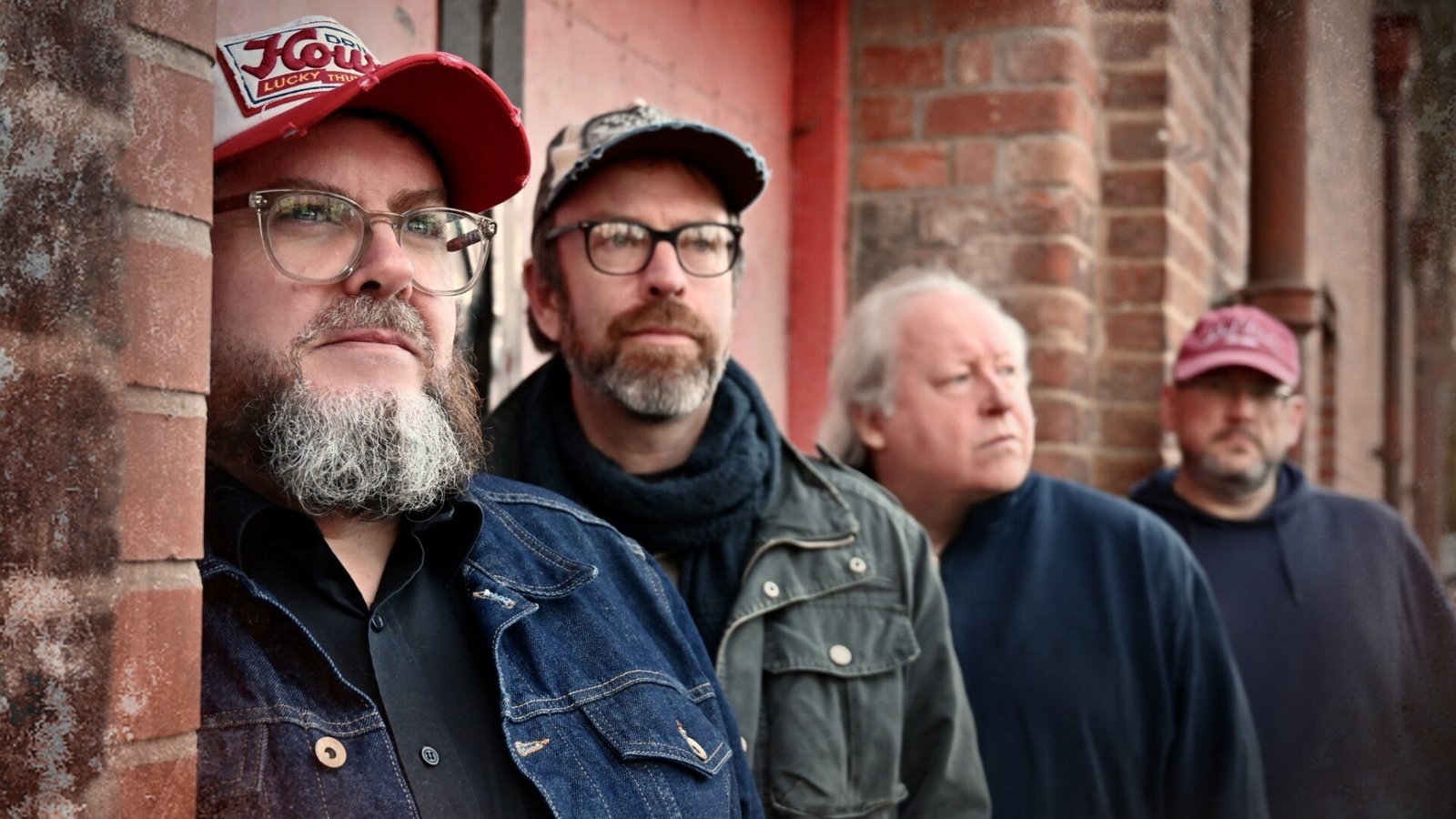
‘Grace’ is the fourth single from Jon Wheeler’s Americana and Alternative Country project ‘Westingway’. ‘Grace’ is a song about doing whatever it takes to get back to someone or something that you’ve loved and lost. We’ve all been there. It’s a mix of all the stuff we’ve learnt over the last year, and we’re really pleased with it – hope you enjoy! Check out the exclusive Interview below:
1. Your roots can often shape your journey. Can you share a story or moment from your early life that had a significant impact on your path into music?
WESTINGWAY: I don’t think I have a music story from my early life really. I didn’t really start playing until my late teens. I was the only person in our student digs that didn’t play the guitar, so I kind of got dragged into it. My best friend Tom at the time had had classical guitar lessons at boarding school (which he hated), but he knew some chords and a great record collection, so I just kind of started joining in.
2. So it was more a journey of personal exploration? How has that shaped your unique approach to your craft?
WESTINGWAY: I remember being quite interested in the whole songwriting aspect early on, before I could really play any song the whole way through, but my early attempts never really felt like it was me writing, it always felt like I was just trying to imitate somebody else, and that didn’t really sit too well, so I just tried to play as much as I could.
That said music didn’t become my living until my mid thirties when I kind of got drawn back in again. By that point though I’d had jobs where I basically had to get on with solving problems and making do with what I had, so my approach became a very ‘hands on’ one. I learnt musical skills by needing them to achieve a specific goal. I’ve still got a lot to learn though.
3. Who were some of the most influential figures in your early musical life, and how did they inspire your sound? Also, what’s the story behind choosing the name ‘WESTINGWAY’?
WESTINGWAY: I think the most influential person overall would be Peter Buck from R.E.M. The band has been a constant on my landscape since I really got into music. He has his own playing style, and he’s one of relatively few guitarists who isn’t obsessed with solos. He serves the song, and I think that’s an important lesson.
Jeff Tweedy and Jack White are influences I discovered later on, because I relate to their approaches, but Peter is always there. I met him a few years ago, he’s just a really ordinary, decent bloke.
‘Westingway’ is simply the street I lived on when I was a kid. So it’s inherently me, and pretty googlable, which always helps.
4. What do you believe sets your music apart? How would you describe your sound to someone discovering you for the first time, and what emotions or experiences do you hope to evoke in your listeners?
WESTINGWAY: I don’t think I do anything particularly unusual, but my music is very me. I think the only thing you can do to set yourself apart is to be you, let what you do be the sum of your experiences and influences which makes you an individual. If people have shared those experiences or can relate and you make a connection, then all the better.
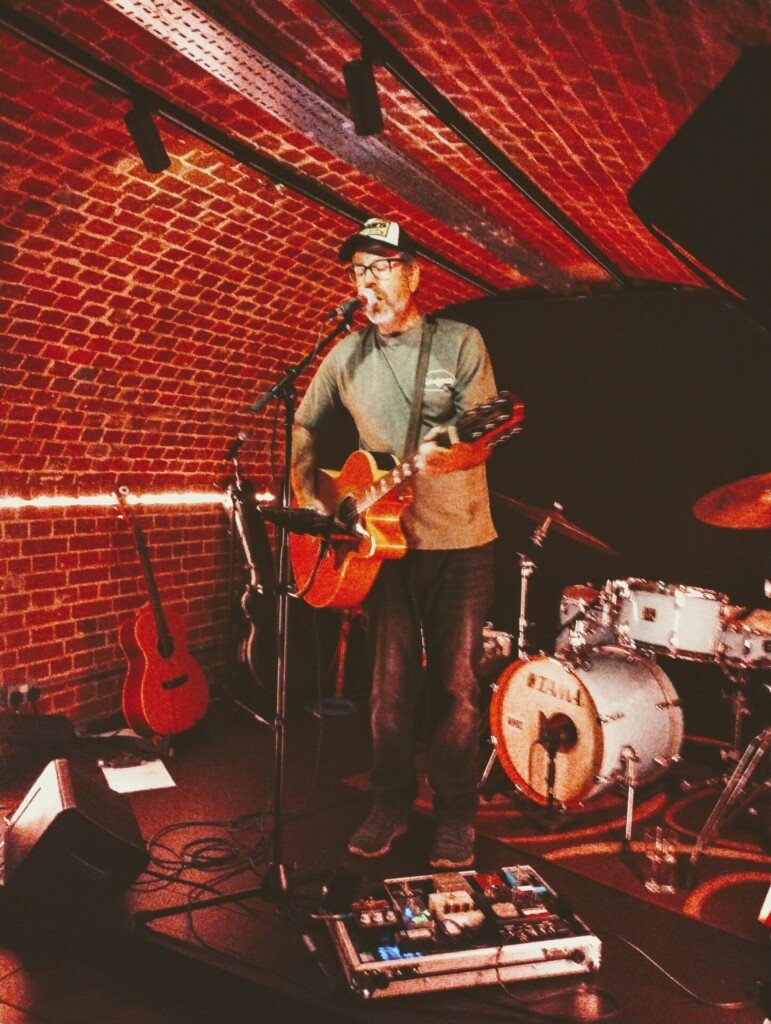
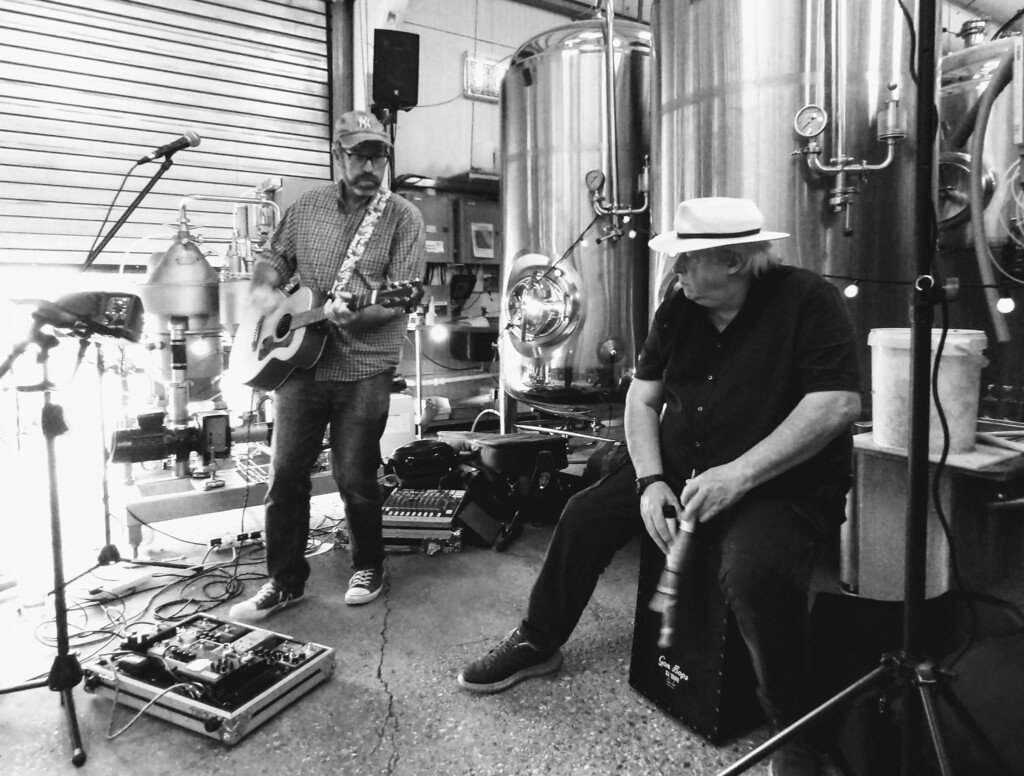
I like traditional band sounds, guitars, drums, bass, but I’m really into effects pedals, so a lot of our songs are infused with a bit of… weirdness? It’s partly because I don’t really enjoy playing solos. We have quite an acoustic, country rock kind of sound, because if the songs get played live there’s typically only me and the percussionist I work with. We like to be able to represent the records live to a decent extent.
5. For most artists, originality is first preceded by a phase of learning and, often, emulating others. What was this like for you? How would you describe your own development as an artist and music maker, and the transition towards your own style, which is known as AMERICANA?
WESTINGWAY: Yeah. I’ve played in covers bands for years. I think it’s an important part of the craft. You get to know yourself, what you like, what you don’t, by essentially learning from people further on than yourself. I think it helps you recognise what represents good writing to you, and you see tricks and ideas you can develop or build upon to help create your own sound.
I think I’ve always had an ‘Americana’ vibe, I just didn’t really try to put a name on it until I had to. A fusion of country, rock, alternative folk, indie and blues.
6. Music often transcends entertainment. What’s your view on the role and function of music as political, cultural, spiritual, and/or social vehicles – and do you try and affront any of these themes in your work, or are you purely interested in music as an expression of technical artistry, personal narrative, and entertainment?
WESTINGWAY:
I mentioned R.E.M. before, who are I would say a ‘politically aware’ band and have used their fame at times to support causes and make political statements. I think if you want to use your music for those purposes, that’s up to you. You have to realise though that music performs different functions for different people, so like I said, if you make a connection then great, but don’t be surprised if that connection isn’t what you imagined.
I’m not an overtly political or spiritual person. Music for me is just about understanding myself and my emotions, or maybe telling a story. I have a friend who was convinced my first single ‘Fox In The Hen House’ was about Donald Trump in some way. That was his take home message but I genuinely just wrote it as a song about foxes and chickens, so….
7. Do you feel the rewards of your musical career match the energy and passion you invest in it, or are there different kinds of fulfillment you’re still seeking?
WESTINGWAY: I think in terms of personal understanding or improvement, having a sense of personal achievement, absolutely. Financially, absolutely not. But it totally depends on what your goals are. I make more money than I spend creating, playing and releasing music, across all the projects I do, but if you’re an independent artist who’s purely in it for the money, you’re in the wrong job. If you don’t have a significant level of energy and passion for purely personal reasons, music probably isn’t for you.
8. Can you walk us through your creative process? From the first spark of an idea to the finished track, what’s the most essential part of your process, and how do collaboration or external influences shape your work?
WESTINGWAY: The majority of the time, I start with a chord idea, sequence or riff that interests me, or matches my mood. Lyrics are just a stream of consciousness that I usually have to refine later. They can be a mixture of three or four worthy ideas, but you have to try and focus.
I just kind of let stuff write itself, but then I always go back and think about the structure I’ve ended up with, tenses, to try and make what I’ve done the best it can be. I always try to predominantly finish a song in one sitting, I don’t have loads of ‘half ideas’ laying around.
Collaboration is totally different. My most successful collaborations, (such as with the country artist Kate Harding) are where I’ve been given lyrics, feelings or ideas and I’ve had the challenge of making them real. That’s very satisfying too. If you don’t have to actually sing the song yourself, it kind of gives you permission to write lyrics that sit outside of your normal comfort zone. It’s challenging but kind of liberating.
9. What’s been the most challenging hurdle in either your personal life or music career, and how has it shaped you as an artist?
WESTINGWAY: I think the challenging thing for my particular generation is how the music industry has changed.
I’m 51. When I first picked up a guitar, there was no internet to find chords or videos. You had to work it out, or buy a book, or find somebody who knew more than you did. Recording was for the elite, A.I. was Star Wars, and mini disks were the next ‘big thing’. Now obviously it’s very different.
I’m fortunate in that although music is my living I have no particular ambition to ‘make it big’. I’m just trying to see what I can achieve, so I’m relatively unaffected. I can see though that being good at music isn’t enough anymore. It’s all the other stuff you need to do that’s the challenge.
10. On the flip side, what moment or achievement in your career so far has made you feel the proudest, and why? And let’s talk about your latest release and future plans.
WESTINGWAY: I don’t honestly feel that there’s any one defining moment, but when I look back at what I’ve achieved, songs I’ve written, people I’ve worked with, gigs I’ve played, I don’t think there’s been any ‘dead ends’. I’m proud of my work, it keeps me engaged, people seem to enjoy it, and I enjoy it, so it’s all good really.
My latest single ‘Grace’ is out now. It’s an amalgamation of all the things Jeff (Clark, percussionist/ engineer) and I have learnt after recording the first three singles in his shed and putting them out. The song is about doing what it takes to get back to someone or something you love, and we’re really proud of it.
Going forward we’ve already started work on the next release, which is a piano based version of an old demo I did called “Stay On The Line”. I always thought it would work like that, my friend Sophie has recorded some piano for us, and Jeff and are going to build upon that. It’ll be interesting to see how that pans out.
11. With social media having a heavy impact on our lives and the music business in general, how do you handle criticism, haters, and/or naysayers in general? Is it something you pay attention to, or simply ignore?
WESTINGWAY: Fortunately there hasn’t been much of that. It’s been the people who I assumed would have been supportive but are now conspicuous by their silence that I’ve noticed the most, but I can’t say it really bothers me.
12. Creative work in a studio or home environment, or interaction with a live audience? Which of these two options excites you most, and why?
WESTINGWAY: You get different benefits from the two environments. Generally writing is great, collaboration is great, recording is tedious, playing live is great. I’ve been a live player the longest, and I think if I had to choose that’s still the biggest buzz, because you see and feel the reactions of the people around you. It’s a connection thing.
13. Do you think is it important for fans of your music to understand the real story and message driving each of your songs, or do you think everyone should be free to interpret your songs in their own personal way?
WESTINGWAY: I think my songs are pretty obvious, at least to me, but I’ve always been perfectly happy to interpret my own understanding of other people’s songs, so it’s difficult for me to think any other way. Everything anybody sees or hears results in their own interpretation to some extent. I don’t always understand exactly where some things I write come from, so I can’t exactly put people straight. Feel free to interpret, and then perhaps let me know. Thanks.

STAY IN TOUCH:
FACEBOOK | INSTAGRAM | SPOTIFY | WEBSITE | YOUTUBE