
Bartok’s “Mistral” begins by pulling us into the everyday bustle of city life, with the distant sound of traffic and street activity setting the scene before a heavy, steady beat kicks in like a pounding heartbeat.
From there, the electronic production gradually rises and envelops the listener, building an immersive atmosphere that feels less concerned with conventional song structures and more interested in taking us on a journey. As the track unfolds, it drifts into more ambient territory, with shimmering synth pulses gradually emerging and rippling through the soundscape. There’s a hypnotic quality to the progression, as the music moves between weighty rhythmic momentum and spacious, atmospheric textures.
But “Mistral” is also an audiovisual undertaking, and its accompanying music video gives the composition an entire fictional world to inhabit. Developed over approximately four years, the video is set in an imagined city strongly inspired by London, complete with underground stations, familiar street details, left-hand traffic and a modern Tudor-style pub. Bartok built the environment digitally, allowing every camera movement, character expression, and visual detail to follow the music’s mood and progression.
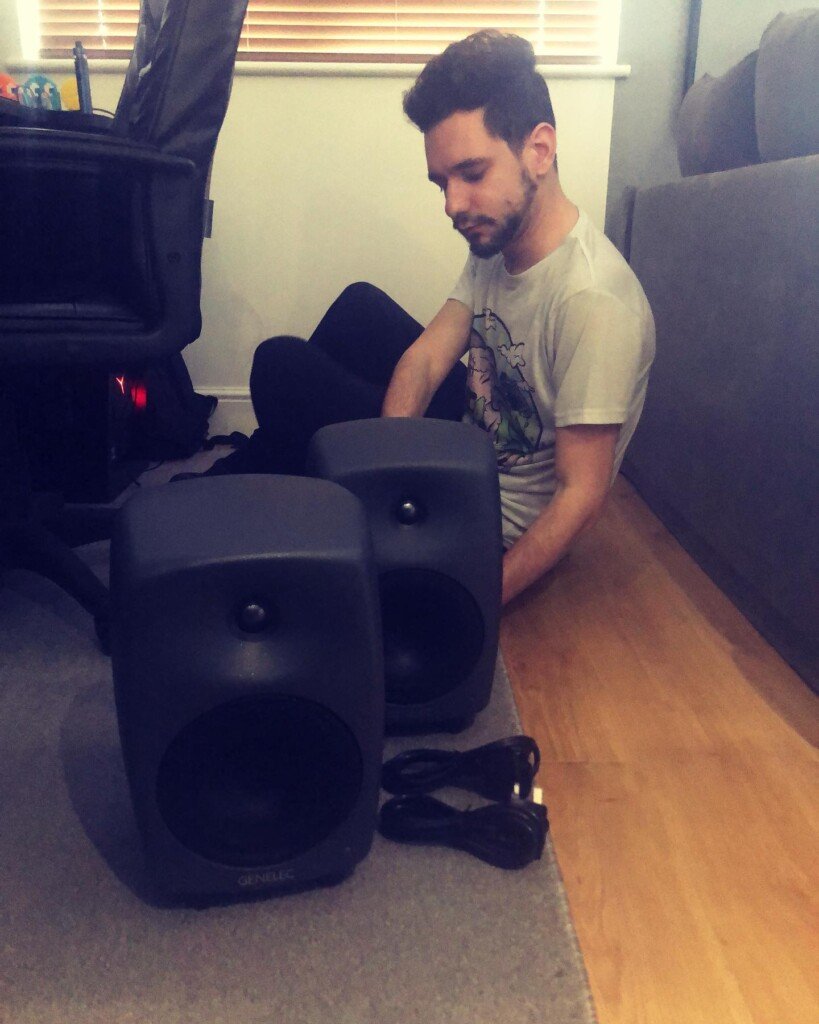
The production is particularly impressive given how much of it was handled by Bartok himself. Created and rendered in the Unity game engine, the video brings together 3D environments, character animation, cinematic lighting and visual effects. Its protagonist is a digital version of the producer, even incorporating recognisable clothing and tattoos, while the opening also recreates his own music studio. His recurring bat alter ego makes an appearance too, bookending the experience with a touch of personal visual identity.
With “Mistral,” Bartok turns electronic music into something more expansive than a listening experience alone. It’s an ambitious labour of love that gives the music a distinctive cinematic life.

STAY IN TOUCH:
INSTAGRAM | SPOTIFY | WEBSITE | YOUTUBE

Review by: Naomi Joan