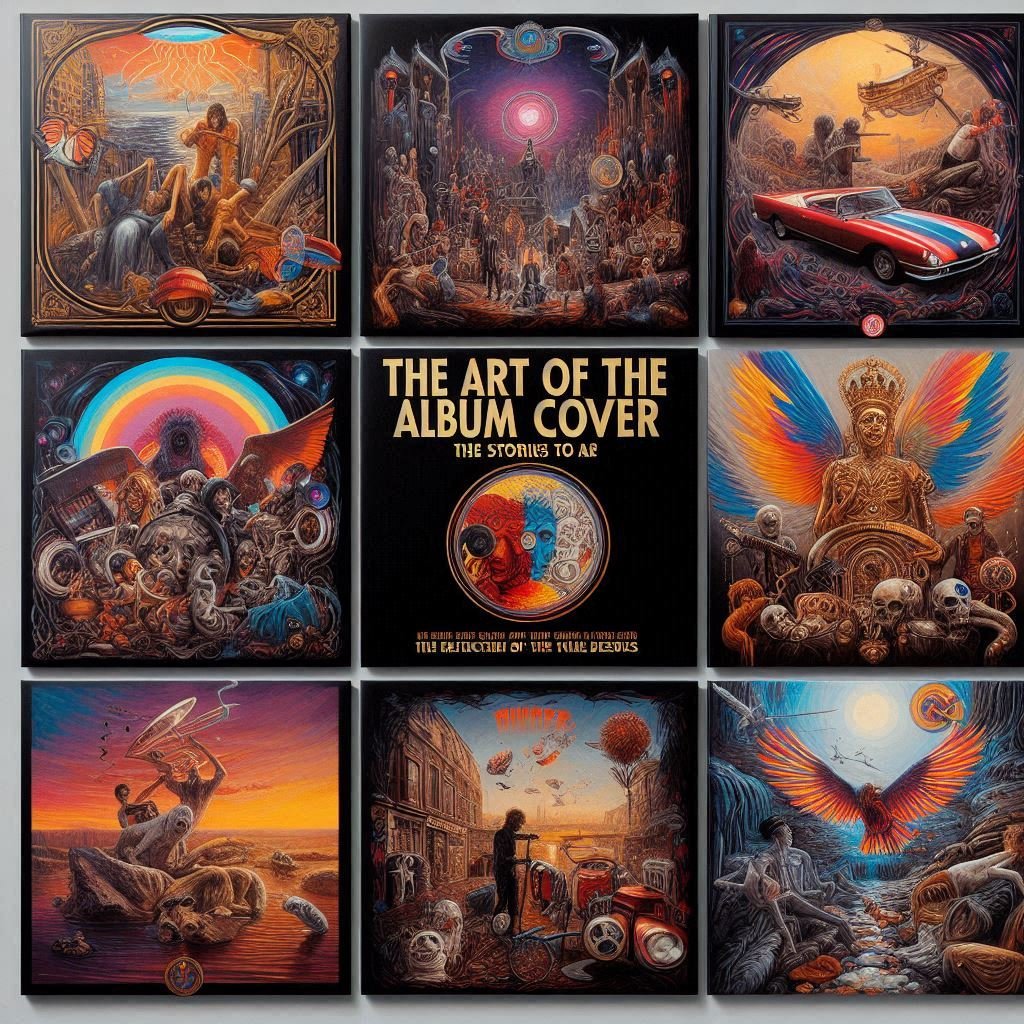


Album covers are more than just a pretty face for the music inside. Over the decades, they’ve become an essential part of the album experience, a way for artists to visually communicate their message, vibe, or even provoke thought. From psychedelic 60s rock to minimalistic 21st-century aesthetics, album covers have evolved alongside music, reflecting not just trends in art and culture, but also the personal stories and vision of the artists. In this article, we’re going to dive into the stories behind some of the most iconic album covers of all time, exploring how these designs became as legendary as the music itself.
The Power of Visual Storytelling in Music
An album cover isn’t just packaging; it’s a statement. It sets the tone for what listeners can expect when they hit play. Think of it as the face of the album—a first impression that, just like in real life, can shape your entire experience. And in some cases, the artwork becomes as famous as the tracks it represents, often embedding itself into the cultural consciousness.
Before streaming platforms, the album cover was what grabbed your attention at the record store. Today, while vinyl has made a resurgence among collectors, album artwork is still a key player in the digital music space. Whether it’s a thumbnail on Spotify or a post on Instagram, album art is one of the most shareable parts of an album’s release, often used in marketing campaigns or plastered across social media.
“The Dark Side of the Moon” – Pink Floyd
One of the most recognizable album covers of all time is Pink Floyd’s The Dark Side of the Moon. Released in 1973, the simple yet striking design of a prism dispersing light into a rainbow on a black background has become a visual symbol of rock music and experimentation. Designed by Storm Thorgerson and Aubrey Powell of Hipgnosis, the prism was meant to reflect both the band’s stage lighting and the album’s lyrics, which touched on themes of mental health, the human condition, and society’s pressures.
The minimalist approach stood out in an era where many album covers were psychedelic and detailed. The cover perfectly captured the band’s mood of transformation and their leap into new sonic territory. It became not just a symbol of Pink Floyd but also a timeless image that still resonates with new generations of music fans.
“Abbey Road” – The Beatles
What’s more iconic than The Beatles crossing a street? The cover of Abbey Road, shot outside the famed Abbey Road Studios, is perhaps one of the simplest yet most recognizable images in music history. Taken by photographer Iain Macmillan in 1969, it was an impromptu idea during a brief photo shoot. The Fab Four walking in single file across the zebra crossing became a symbolic representation of the band’s journey together, and as history would have it, their last album recorded as a group.
Interestingly, the album cover also fueled numerous conspiracy theories, particularly the idea that Paul McCartney had died and been replaced by a look-alike. From Paul being barefoot to the order of the band members representing a funeral procession, fans overanalyzed every inch of the image. Regardless of the myths, the Abbey Road album cover stands as a simple yet genius representation of the Beatles’ creative vision.
“Nevermind” – Nirvana
Nirvana’s Nevermind cover is perhaps the most rebellious album artwork of the 90s grunge era. Released in 1991, the image of a naked baby swimming underwater towards a dollar bill hooked on a fishline was a shocking and bold statement. It symbolized the band’s anti-commercial stance and disillusionment with mainstream society. Photographer Kirk Weddle captured the image in a pool, and it perfectly embodied the spirit of the album—raw, unfiltered, and unapologetic.
The cover became a cultural icon and sparked conversations about censorship and artistry. Many Gen Xers connected with the sentiment behind the image, seeing it as a metaphor for being thrust into a world where money and capitalism dominate. To this day, Nevermind is a landmark of 90s rock, with its album cover contributing to its legendary status.
“Thriller” – Michael Jackson
Thriller isn’t just the best-selling album of all time—it’s also home to one of the most elegant and polished album covers. Released in 1982, the cover features Michael Jackson in a white suit, lounging against a black background. The photo, taken by Dick Zimmerman, was meant to capture Jackson’s shift from the child star we saw in Off the Wall to a more mature, confident artist.
The simplicity of the cover contrasts sharply with the extravagant nature of the Thriller music videos and live performances, which featured zombies and dance routines that would define Jackson’s career. The sleek, almost minimalist style was a nod to Jackson’s new status as the King of Pop and the cultural phenomenon that Thriller would become.
“Born in the U.S.A.” – Bruce Springsteen
Bruce Springsteen’s Born in the U.S.A. album cover is as American as it gets. Released in 1984, it shows Springsteen from behind, wearing blue jeans with a red baseball cap tucked into his back pocket, standing in front of an American flag. The image, shot by famed photographer Annie Leibovitz, became synonymous with American blue-collar pride and the working-class ethos that Springsteen’s music is so closely tied to.
However, what’s interesting about this cover is the contrast between its visual patriotism and the lyrics of the title track, which is actually a critique of America’s treatment of Vietnam War veterans. The cover played a huge role in cementing Springsteen’s image as the voice of the American working class, and it remains one of the most memorable visuals in rock history.
“The Velvet Underground & Nico” – The Velvet Underground
Designed by the legendary artist Andy Warhol, the cover of The Velvet Underground & Nico (1967) is as avant-garde as the music it represents. Featuring a simple banana on a white background, the original pressing allowed fans to peel back the banana sticker to reveal a suggestive pink fruit underneath. This playful design was groundbreaking and immediately grabbed attention.
Warhol’s involvement with the band, particularly in the visual aspect, played a key role in their artistic direction. The album cover became an emblem of counterculture and experimental music. Though the album was initially a commercial failure, it went on to become one of the most influential albums of all time, with its cover as an enduring symbol of the 60s avant-garde movement.
“Lemonade” – Beyoncé
Beyoncé’s Lemonade (2016) is not only a visual masterpiece but also a powerful statement of identity, resilience, and empowerment. The cover, which features Beyoncé wearing a fur coat, her face hidden by intricately braided cornrows, mirrors the themes of the album—infidelity, forgiveness, race, and the complexities of being a Black woman in America.
The imagery is haunting and powerful, reflecting the depth and vulnerability present in the album. Lemonade as a whole was a multimedia experience, with the cover contributing to the visual storytelling that accompanied its release. It was more than just an album cover—it was part of an entire narrative that Beyoncé crafted to connect with her audience on a deeply emotional and personal level.
Conclusion: The Lasting Impact of Album Covers
Album covers have the unique ability to transcend time, becoming iconic symbols of an era, a genre, or an artist’s career. Whether they make bold political statements, offer surreal imagery, or capture a candid moment, these designs are etched in music history. As the music industry continues to evolve, especially in the digital age where physical albums are less common, album artwork remains a crucial part of the music experience.
Even today, album covers are highly shareable on social media, and for vinyl collectors, the artwork is a cherished part of their collection. The power of album art lies in its ability to communicate without words, to complement the music, and to leave a lasting impression. As long as music exists, album covers will continue to play a vital role in the storytelling process, providing a visual gateway into the soul of the music.
Whether it’s Pink Floyd’s prism, Nirvana’s underwater baby, or Beyoncé’s powerful portrait, these iconic album covers prove that music isn’t just something we hear—it’s something we see and feel.