
The Touring Gear Challenge Most New Artists Never Expect
When people imagine life as a touring artist, they usually think about performances, travel, audiences, and the excitement of visiting new places. What rarely gets discussed is the growing collection of gear that follows along behind the scenes.
In the early stages of a creative career, equipment is relatively easy to manage. A few instruments, cases, cables, lighting components, merchandise boxes, or display materials can often fit comfortably in a vehicle or spare room. As opportunities grow, however, so does the amount of gear required to support them.
Many artists eventually discover that managing equipment becomes almost as challenging as creating the work itself.
Success Often Creates More Equipment
A successful tour rarely involves showing up with a single piece of gear. Instruments, stands, microphones, sound equipment, promotional materials, merchandise, and backup supplies all tend to accumulate over time.
Each addition usually serves a legitimate purpose. Better equipment improves performance. Merchandise creates additional revenue opportunities. Professional displays help artists stand out at events.
The challenge is that every new item requires space. What starts as a manageable collection can eventually become difficult to organize between tours, performances, and appearances.
For many artists, the storage challenge arrives long before they expect it.
Home Space Disappears Quickly
One common solution is storing everything at home. Initially, this works well enough. Spare bedrooms, garages, closets, and basements often provide enough room for a growing collection of gear.
Eventually, however, equipment begins competing with everyday living space. Cases stack up in corners. Merchandise fills shelves. Seasonal equipment sits unused for months while waiting for the next event.
At that point, artists often find themselves making difficult decisions about what should remain easily accessible and what can be stored elsewhere.
The issue is not necessarily owning too much equipment. It is finding a practical way to manage it.
Organization Becomes Part of the Job
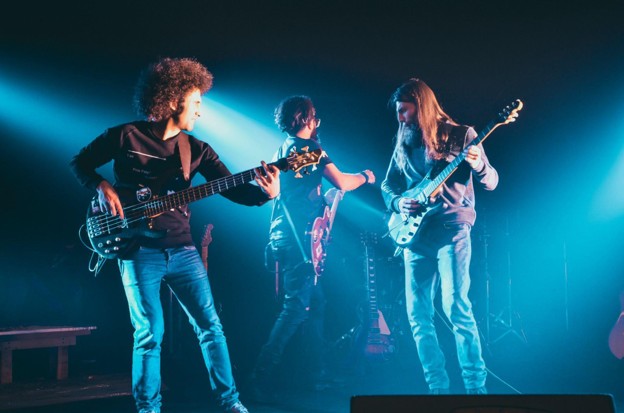
Many artists view storage as an afterthought until they lose time searching for equipment before an event. Poor organization can create unnecessary stress during already busy periods.
A well-organized system helps reduce setup time, prevent lost equipment, and simplify preparation for future performances. Labeling, inventory tracking, protective storage, and dedicated locations for different categories of gear can make a significant difference.
The more frequently an artist performs or travels, the more valuable these systems become.
Good organization does not make creativity less spontaneous. It often makes it easier to focus on creative work instead of logistical problems.
Life Changes Can Complicate Things Further
Touring careers do not exist in isolation. Artists move homes, change studios, share living spaces, and adapt to evolving personal circumstances.
A relocation can suddenly turn equipment storage into a much bigger challenge. Instruments, merchandise, display materials, and production equipment all need a temporary home while the transition takes place.
During these situations, artists researching practical storage solutions may come across articles discussing what storage unit size is best for a house move as they evaluate how much space might be required to accommodate both personal belongings and professional equipment during the process.
Planning ahead often prevents unnecessary stress later.
Protecting Equipment Matters as Much as Storing It
Storage is not only about finding extra room. It is also about protecting valuable equipment.
Musical instruments, electronics, artwork, lighting systems, and merchandise can represent significant investments. Improper storage may expose them to dust, moisture, accidental damage, or unnecessary wear.
Artists who depend on their equipment for income often recognize that proper storage is part of maintaining their business. Protecting gear between events helps ensure it remains reliable when needed.
In many cases, prevention is far less expensive than replacement.
Growth Usually Requires Better Systems
The storage challenges artists face are often signs of progress. More performances, larger audiences, and expanding opportunities naturally create additional equipment and logistical requirements.
The key is developing systems that grow alongside the career. Organization, planning, and thoughtful storage solutions help artists manage those demands without becoming overwhelmed by them.
Most new artists expect to spend time improving their craft. Fewer expect to spend time managing inventory, equipment, and storage. Yet those practical considerations become increasingly important as a creative career develops.
The artists who handle growth most effectively are often the ones who recognize that protecting and organizing their gear is not separate from their success, it is part of supporting it.
#This is a Contributor Post. Opinions expressed here are opinions of the Contributor. Illustrate Magazine does not endorse or review brands mentioned; does not and cannot investigate relationships with brands, products, and people mentioned and is up to the Contributor to disclose. Contributors, amongst other accounts and articles may be professional fee-based.#