
Ana Amado is a Portuguese singer and songwriter exploring music across genres and moods through emotional, intimate storytelling. Ahead of the release of her second single, “The Intake”—a trip-hop and alt-pop-infused track co-produced remotely with Spain-based producer Ribji Contreras, heavily inspired by classics like Portishead and Massive Attack, and built on raw vulnerability rather than studio polish—we caught up with Ana to talk about capturing feelings of anxiety and emotional overwhelm, continuing the themes of resilience from her debut, and recording her vocals right from her room in London. Check out the exclusive interview below:
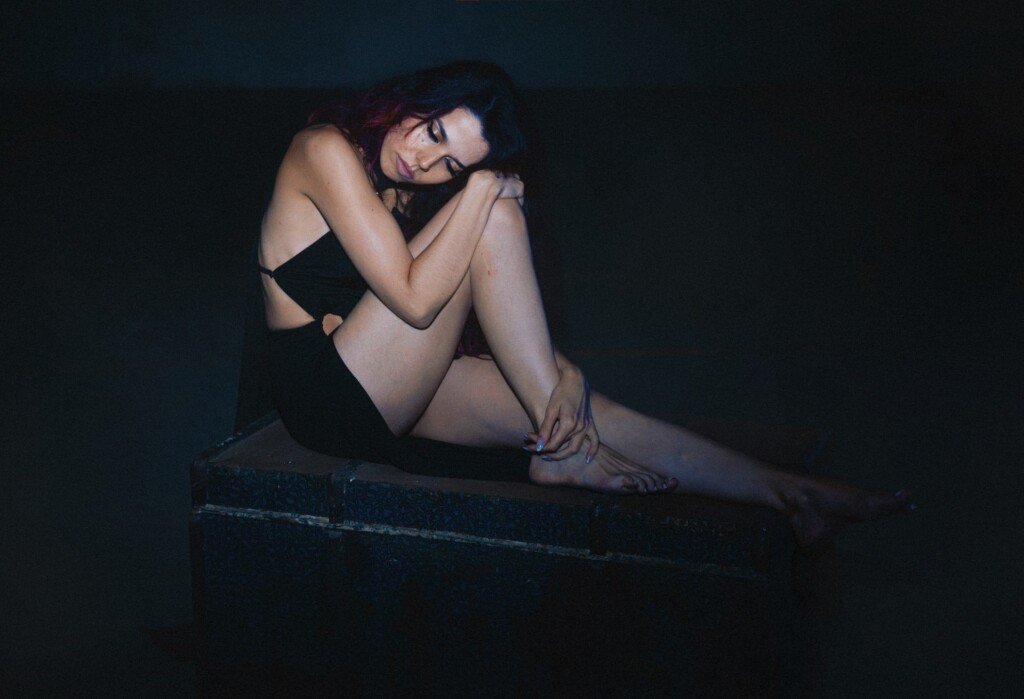
1. Your roots can often shape your journey. Can you share a story or moment from your early life that had a significant impact on your path into music?
ANA AMADO: My artistic roots are deeply tied to my family. My mom was a singer of fado, traditional Portuguese music, and my older brother picked up the guitar, started forming bands and began composing his own songs. The alternative music he listened to rubbed off on me and pulled me toward that world, so between the two of them I grew up with very different musical influences.
The moment that really shaped me was going to my mom’s performances on the cruise boats along the Douro River in Portugal. She would take me and my brother along, and sometimes I even joined in, playing the triangle as a little kid. It’s funny to look back on now, but that was my introduction to music and performance, and it’s where I got hooked.
2. Did your musical journey begin with formal training, or was it more of a personal exploration? How has that shaped your unique approach to your craft?
ANA AMADO: Not really. The first training I had was in dance: I started ballet at three years old, and we performed live from early on. That’s where I got comfortable on stage, and I think it still shapes how I carry myself when I perform.
Actual music training didn’t come until university, where I did a performing arts course. It was quite broad, covering several areas of performance rather than music alone. So most of what I know as a musician is self-taught. I practised on my own and built my skills up out of pure passion for it, and that has made my approach very instinctive and personal rather than rule-based. That instinct got me this far, but now I want my voice to last, so I’ve started vocal training.
3. What do you believe sets your music apart? How would you describe your sound to someone discovering you for the first time, and what emotions or experiences do you
hope to evoke in your listeners?
ANA AMADO: Honestly, “what’s your genre?” is a question I get a lot, and I still struggle to answer it. My sound is still developing, and I think it always will be, because I’ve always had so many interests and a very versatile taste in music, and that naturally comes through in what I make.
So far it’s mostly dark pop with a trip-hop edge. “The Intake” is a good place to start if you’re discovering me. But some of the songs I’m working on now go into heavier territory, and some into world music fusion. I think of every song as part of the same universe, and what ties them together is the dark and atmospheric mood, every time.
As for emotion, my music comes from the human experience, either my own or that of people around me. It tends to go into the heavier feelings: mental health, rough chapters in life, and even love, both the good and bad side of it. “The Intake” is about dealing with anxiety, which is exactly the kind of thing I want to put into words. There’s also a lot of spiritual imagery and ideas about the afterlife in my work, because it’s something I’m drawn to and like to explore. If someone listens and feels less alone in the heavier stuff, I’ve done my job.
4. Music often transcends entertainment. What’s your view on the role and function of music as political, cultural, spiritual, and/or social vehicles, and do you try to tackle any of these themes in your work, or are you purely interested in music as an expression of technical artistry, personal narrative, and entertainment?
ANA AMADO: I think there are both approaches to making art, and neither is right or wrong. Making music as a way to escape the world and build your own universe is beautiful, and it can be deeply cathartic.
But music can also mirror the issues of today, relate to people’s struggles, and speak to the political, cultural and spiritual themes that feel relevant to the artist. So far, my own work leans towards the emotional side, the human psyche and the spiritual. “The Intake,” for example, is about dealing with your own darker thoughts/unprocessed emotions, so it’s very much about what goes on inside. But I really admire artists who also bring awareness to social injustice and what’s happening in the world. I recently went to see Silent Planet, and what stuck with me wasn’t only the music but the way they addressed issues like war and injustice into their lyrics. It made the performance so much more powerful. That’s something I want to emulate, and I do plan to bring more of it into my music going forward.
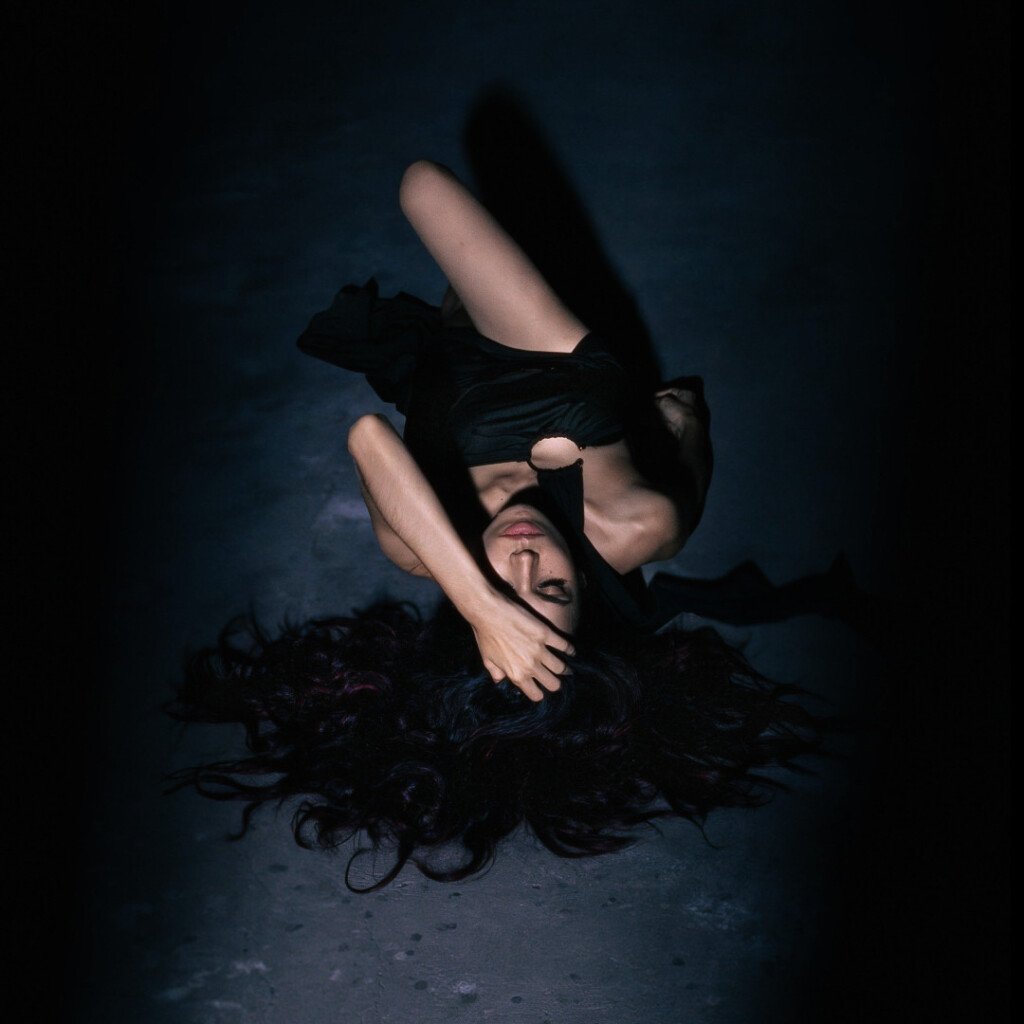
5. Do you feel the rewards of your musical career match the energy and passion you invest in it, or are there different kinds of fulfillment you’re still seeking?
ANA AMADO: To be completely honest, not yet, and I think that’s normal where I am. I’m only on my second single, and I only started releasing my own music this year. I’m still in that early stage, where you’re trying to make a name for yourself while also working out who you are as an artist: what works, what doesn’t.
But the payoff that does exist is being able to do what I love. Knowing myself, I couldn’t follow a path I wasn’t passionate about, and I’d always rather be doing this than be in another field and feel less fulfilled. So the rewards aren’t fully there yet, but the fulfillment is. With “The Intake” out and the video released, I feel like I’m finally building something.
6. Can you walk us through your creative process? From the first spark of an idea to the finished track, what’s the most essential part of your process, and how do collaboration or external influences shape your work?
ANA AMADO: So far I’ve worked with a producer on each of my songs, and it always starts with a conversation about the vision. Since it’s my project, I set the tone: what I want the track to be and how it should feel. Then we craft a demo, a rough draft of what the sound could be.
A lot of artists write the lyrics first and build the music around them. I do the opposite. I’m very driven by sound and by how it makes me feel, whether that’s a specific instrument, a mood or a vibe. I start from there and write once I’ve found the feeling.
7. What’s been the most challenging hurdle in either your personal life or music career, and how has it shaped you as an artist?
ANA AMADO: Moving to a different country to pursue my dream. It’s hard to sacrifice things and be away from the people you love in order to follow what you love. It also brings obstacles you don’t see coming, including mental ones: building a new life from scratch, getting stable first, and then finding the space to focus on your music without losing that stability. It’s a lot.
It has shaped how I make music. I write about my own experiences and the ones I see around me, and being in that position pushed me towards themes that feel real. It also made me clear about why I do this. I’m not chasing fame or money. I’m doing it because I’m genuinely passionate about music, and I want that authenticity to come through in everything I release.
8. On the flip side, what moment or achievement in your career so far has made you feel the proudest, and why? And let’s talk about your latest release and future plans.
ANA AMADO: Since I’m still early in my career, my proudest moment is a recent one: making the music video for my latest single, “The Intake.” I like to translate my music into a visual world, and with my background in production, it meant a lot to produce my first music video myself. Even better, my brother was the videographer and director of photography. We’ve worked together before, but this was the first time on a project of mine like this, and it was really special.
We had a very low budget, we live in different countries, and we had to plan everything carefully to make it happen, and we shot it over two nights. Considering all of that, I’m really proud of what we made.
As for what’s next, I’m in the finishing stages of my next single, and I have other songs in progress that explore different genres, as I mentioned earlier. And hopefully, soon, I’ll start gigging live and bring my music to audiences as a live experience.
9. Creative work in a studio or home environment, or interaction with a live audience? Which of these two options excites you most, and why?
ANA AMADO: Live audience, 100%. It’s definitely more nerve-wracking and takes a lot more preparation, but it’s something you get better at with time. I do have live experience: I was a backing singer in a blues band for a while, and through dance I’ve done a lot of live performances. Singing as the lead in my own solo project is a different experience, and I know it will be nerve-wracking, but I’m thrilled about it because being on stage is what I love.
I feed off the energy of the audience. Recording at home is one thing, but having people in front of you, with that instant feedback and energy coming straight back, is what fuels me the most.
10. Do you think it is important for fans of your music to understand the real story and message driving each of your songs, or do you think everyone should be free to interpret your songs in their own personal way?
ANA AMADO: I love hearing someone’s interpretation of my songs. I think it’s really cool, and there’s no right or wrong answer. People will perceive things in different ways, and art speaks to each person according to how it resonates with them, so I think listeners should be free to interpret a song in their own way.
I’ll always have my own meaning behind a song, and I’m happy to share it. I love talking about the story and the universe behind the music. “The Intake” came from my own experience with anxiety, for example, but if it means something different to someone else, that’s just as valid, and honestly more interesting. I’d love to hear what it makes people feel.

STAY IN TOUCH:
INSTAGRAM | SPOTIFY | WEBSITE | YOUTUBE