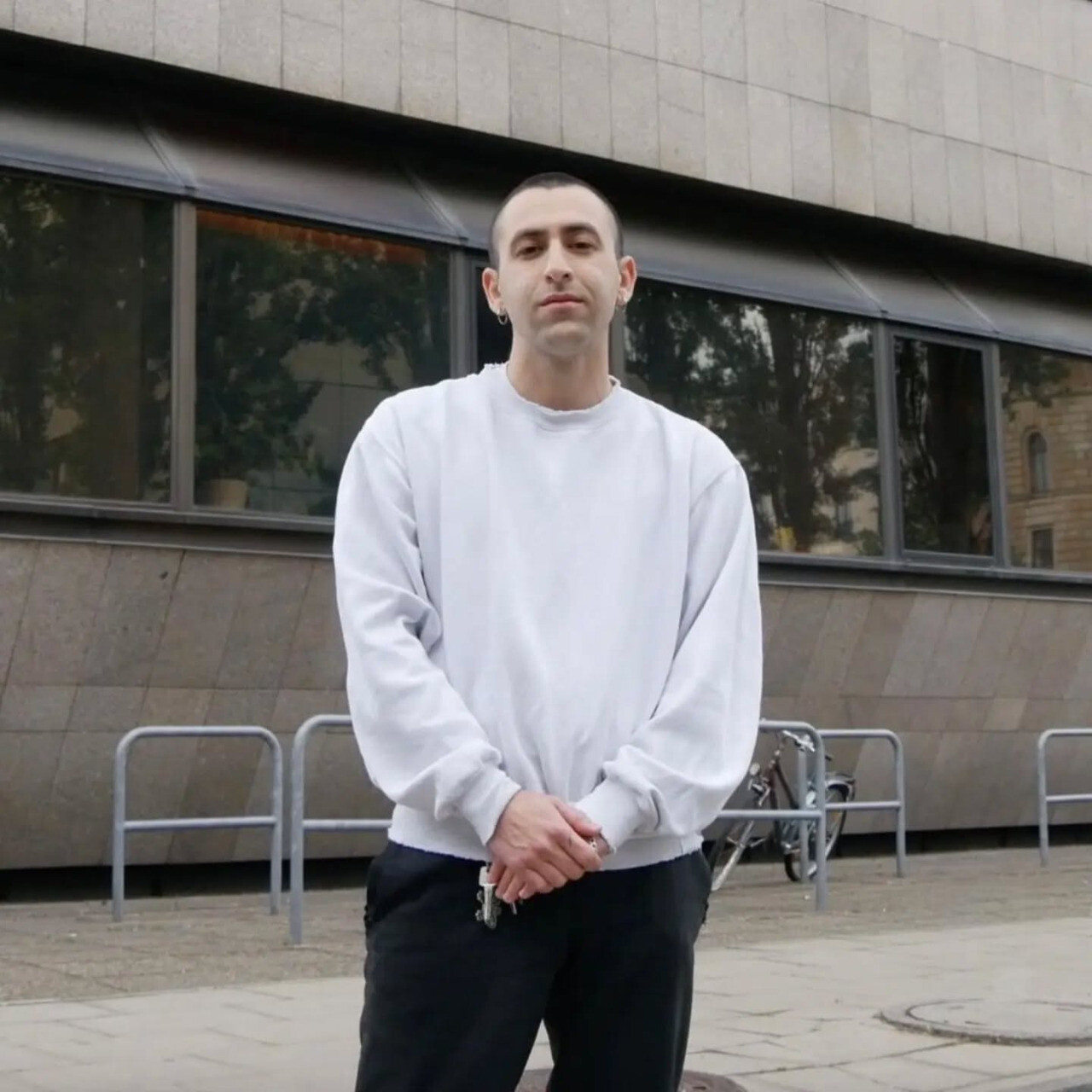
1. Your roots can often shape your journey. Can you share a story or moment from your early life that had a significant impact on your path into music?
Idan Ben-Tal: Growing up in Israel, radio was more than background noise—it was my world. I remember sitting for hours with a cassette deck, waiting for specific tracks to come on so I could record them. That obsession turned into curiosity, and later into action. The first time I got to program music at a local station, I realized music wasn’t just something I loved—it was something I had to be a part of.
2. Did your musical journey begin with formal training, or was it more of a personal exploration? How has that shaped your unique approach to your craft?
Idan Ben-Tal: I did study music formally at one point, but the real education came through hours of trial and error—making things, breaking them, starting again. I learned more from spending nights on Ableton, collecting obscure records, and watching how crowds react to sound. That DIY spirit has shaped everything I do—my approach is emotional, instinctive, and never formulaic.
3. Who were some of the most influential figures in your early musical life, and how did they inspire your sound? Also, what’s the story behind choosing the name ‘Idan Ben-Tal’?
Idan Ben-Tal: My influences came from all over—labels like Perlon, the raw edge of German techno, the swing of American house, and the depth of Detroit techno. But I also draw from soul, jazz, and even hip hop. Those genres taught me that groove and storytelling can exist simultaneously. I use my real name because I want the music to feel direct, honest, and personal. No masks.
4. What do you believe sets your music apart? How would you describe your sound to someone discovering you for the first time, and what emotions or experiences do you hope to evoke in your listeners?
Idan Ben-Tal: My sound lives in the space between movement and melancholy—groove-heavy but spacious, warm but mysterious. It’s subtle, hypnotic, and emotional. I want people to feel something without being told what to feel. I want them to enter their own interior space, whether on the dancefloor or in solitude.
5. For most artists, originality is first preceded by a phase of learning and, often, emulating others. What was this like for you? How would you describe your own development as an artist and music maker, and the transition towards your own style, which is known as EDM?
Idan Ben-Tal: What I do isn’t exactly EDM—my path has been closer to deep house, minimal, broken beat. But yes, at the start I tried to mimic what I loved. Eventually, I started leaning into mistakes, rawness, and emotional honesty. My development was about moving away from perfection and toward something more human. That’s where the real voice emerged.
6. Music often transcends entertainment. What’s your view on the role and function of music as political, cultural, spiritual, and/or social vehicles – and do you try and affront any of these themes in your work, or are you purely interested in music as an expression of technical artistry, personal narrative, and entertainment?
Idan Ben-Tal: In Israel, everything ends up being political in one way or another—even choosing not to say something is a statement. I don’t always address issues head-on, but I’m aware that curating music, building spaces, or even just showing up with a certain vibe carries meaning. My goal is to create emotional and cultural resonance, not just entertainment.
7. Do you feel the rewards of your musical career match the energy and passion you invest in it, or are there different kinds of fulfillment you’re still seeking?
Idan Ben-Tal: There are different kinds of fulfillment. Some come in quiet ways—when someone tells you a track helped them through something. Others are more public—curating a night that really connects. I’m proud of where I am, but I’m always hungry for new projects, deeper collaborations, and more meaningful creative impact.
8. Can you walk us through your creative process? From the first spark of an idea to the finished track, what’s the most essential part of your process, and how do collaboration or external influences shape your work?
Idan Ben-Tal: It usually begins with a sound or texture—something that catches me emotionally. I let ideas breathe and try not to overproduce. I love working with limitations. Collaborations, especially across disciplines, push me into new territory. I often leave intentional space for chaos or intuition to guide the work.
9. What’s been the most challenging hurdle in either your personal life or music career, and how has it shaped you as an artist?
Idan Ben-Tal: The biggest challenge has been developing confidence in my own voice. I’m highly self-critical, which makes releasing music difficult. I’ve had to learn how to quiet that voice, to let go, and just put things out. That shift—toward acceptance and trust in myself—has been transformative, both creatively and personally.
10. On the flip side, what moment or achievement in your career so far has made you feel the proudest, and why? And let’s talk about your latest release and future plans.
Idan Ben-Tal: I’m most proud of shaping the voice of venues and parties—curating atmospheres that feel coherent, intentional, and open. Crafting the identity of a night from start to finish is an art form I really believe in. My daily radio show is another huge point of pride—it lets me tell long-form stories through sound and connect with people in an intimate, consistent way.
11. With social media having a heavy impact on our lives and the music business in general, how do you handle criticism, haters, and/or naysayers in general? Is it something you pay attention to, or simply ignore?
Idan Ben-Tal: The underground was never about pleasing everyone. It’s about doing what needs to be done whether people are watching or not. I try to stay grounded in that mindset. I’m open to feedback, but I don’t make music for approval. I make it because it feels necessary.
12. Creative work in a studio or home environment, or interaction with a live audience? Which of these two options excites you most, and why?
Idan Ben-Tal: They’re both essential, but if I had to choose, I’d say live audience. There’s a real electricity in guiding a crowd in real time. But I value the studio as a place to be slow, reflective, and personal. It’s the balance that excites me most.
13. Do you think is it important for fans of your music to understand the real story and message driving each of your songs, or do you think everyone should be free to interpret your songs in their own personal way?
Idan Ben-Tal: I think the beauty of music is that it can carry multiple meanings. I create from a personal place, but I love when people bring their own interpretations. That’s when a track becomes bigger than me—it becomes theirs too.

STAY IN TOUCH:
INSTAGRAM | SPOTIFY