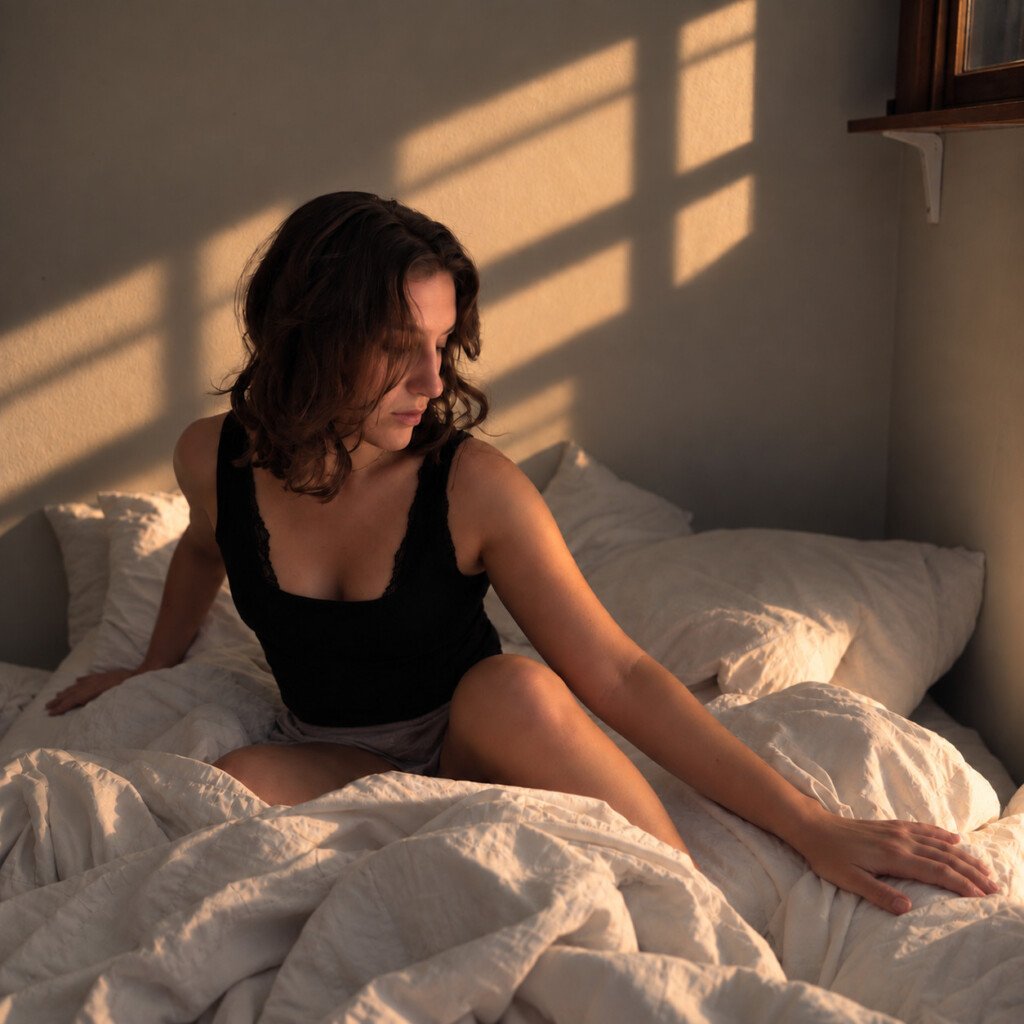
Jillian Marks is a Vancouver-based independent singer-songwriter who transforms raw emotion and lived experience into painfully honest storytelling, drawing inspiration from contemporary artists like Olivia Rodrigo and Gracie Abrams. Ahead of the release of her single “You’re Not Mine”—her first release in several years, recorded in a Vancouver studio featuring a baby grand piano and live violin—we caught up with Jillian to talk about the space between fantasy and reality, putting her life into song without pretense, and the journey toward her forthcoming EP. Check out the exclusive interview below:
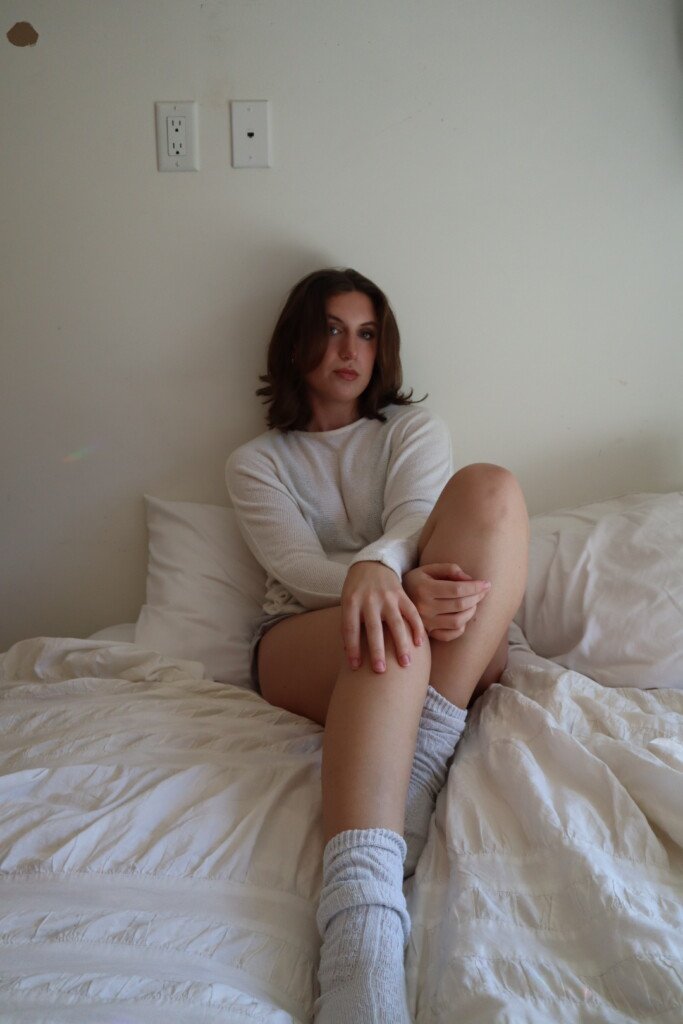
1. Your roots can often shape your journey. Can you share a story or moment from your early life that had a significant impact on your path into music?
Jillian Marks: In elementary school, I was asked to sing the national anthem in front of the entire school. It felt like such a big deal at the time—11-year-old me got to hold a microphone and sing completely solo in front of everyone. I remember feeling powerful and special, and realizing how much I loved sharing my voice with people. Looking back, I think that was one of the first moments where performing felt like more than just singing for fun. There was something about connecting with an audience, even at that age, that stuck with me.
2. Did your musical journey begin with formal training, or was it more of a personal exploration? How has that shaped your unique approach to your craft?
Jillian Marks: Personal exploration! It started with belting pop songs in the car as a young girl, and eventually teaching myself piano chords so I could accompany my singing. Over the years, my piano skills developed alongside my voice and became a huge part of how I write and compose all of my music. Being self-taught gave me the freedom to figure out what naturally suited my voice and style rather than feeling like there was a “right” way to do things. A lot of it has simply been experimenting, practicing, and following what feels right musically. I think that process has made my songwriting feel very instinctive and personal.
3. Who were some of the most influential figures in your early musical life, and how did they inspire your sound? Also, what’s the story behind choosing the name ‘Jillian Marks’?
Jillian Marks: Growing up, I was obsessed with Adele and Amy Winehouse. They’re both absolute legends—not only because of their incredible voices, but because of how much emotion and honesty they put into their songs. I’ve always been drawn to artists who can make you really feel something through their voice and storytelling, and I think that has shaped the kind of music I want to make. More recently, I’ve really looked up to Sienna Spiro. I’ll listen to some of her songs and genuinely think, “Wow, I wish I wrote that.” I love the way she combines incredible vocals with songwriting that feels emotional and intimate, and it’s been really inspiring watching her gain momentum as an artist. As for the story behind “Jillian Marks”… there actually isn’t a mysterious one! It’s just my name. I’ve always wanted my music to feel like an honest extension of myself, so using my own name felt right.
4. What do you believe sets your music apart? How would you describe your sound to someone discovering you for the first time, and what emotions or experiences do you hope to evoke in your listeners?
Jillian Marks: I think my music is for the hopeless romantics and the people who sometimes feel like they feel everything a little “too” strongly—too in love, too heartbroken, too attached, too hopeful. I write very honestly about those emotions because they’re emotions I experience myself. I want someone to hear one of my songs and think, “Wow, I didn’t realize someone else felt this way too.” My sound is very vocal and emotion-driven, with a lot of my songs beginning with just me sitting at the piano and writing about something I’m actually going through. I’m drawn to vulnerable, melodic pop that lets the lyrics and vocals tell the story. More than anything, I want my music to make people feel understood, especially in those moments when they’ve been made to feel like they care or love a little too much.
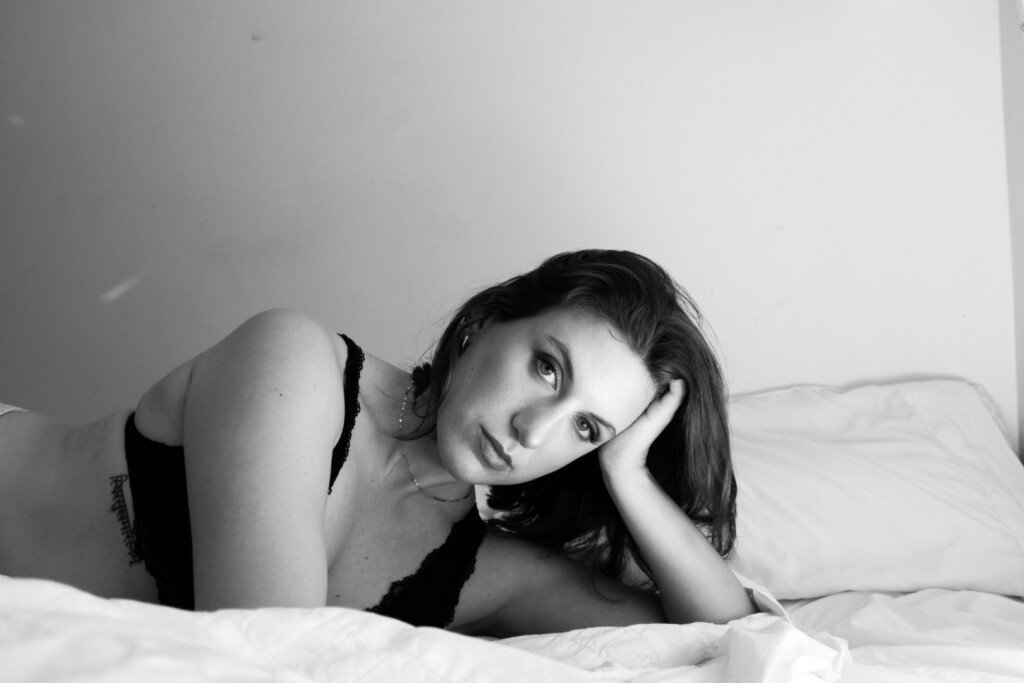
5. For most artists, originality is first preceded by a phase of learning and, often, emulating others. What was this like for you? How would you describe your own development as an artist and music maker, and the transition towards your own style, which is known as POP?
Jillian Marks: I think a lot of my early development came from singing songs by artists I admired and figuring out what felt natural in my own voice. I spent years singing covers, which taught me so much about phrasing, emotion, melody, and the different ways a vocalist can tell a story. Over time, I stopped thinking as much about how another artist would sing something and started discovering how I wanted to sing it. Songwriting was a huge part of that transition. Once I started writing about my own experiences at the piano, my style began to develop naturally. I realized I was most drawn to emotional, vocal-driven pop where the lyrics are at the centre of the song. I’m still developing and experimenting as an artist, and I actually think that’s one of the most exciting parts of making music. I don’t want to force myself into one specific sound—I want it to keep evolving while still feeling unmistakably like me.
6. Music often transcends entertainment. What’s your view on the role and function of music as political, cultural, spiritual, and/or social vehicles – and do you try and affront any of these themes in your work, or are you purely interested in music as an expression of technical artistry, personal narrative, and entertainment?
Jillian Marks: I want my music to feel like a comfortable and safe place for people. I never want someone to feel like they have to share the same political or social views as me in order to connect with a song. The emotions I tend to write about—love, heartbreak, hope, insecurity, longing—are incredibly human, and I love the idea that music can bring people together through experiences that transcend those differences. At the same time, my identity is an important part of who I am, and I would never want to hide it in order to make my music more universally appealing. If someone hears me being open about who I am and feels represented or less alone because of it, I would be incredibly proud of that. Mental health is also something I care deeply about, and I’m interested in exploring it honestly through my songwriting. Music can give people language for emotions that are sometimes difficult to talk about, and if being vulnerable about those experiences can challenge stigma or make someone feel a little more understood, then I think that’s a really meaningful thing.
7. Do you feel the rewards of your musical career match the energy and passion you invest in it, or are there different kinds of fulfillment you’re still seeking?
Jillian Marks: I’m incredibly passionate and driven when it comes to music, so I don’t think the rewards always match the amount of energy I put into it—at least not yet. I invest so much of myself into writing, performing, creating, and trying to grow as an artist, and I also understand that building a career in music takes time. I’m very ambitious, and there are definitely bigger milestones I’m still working toward. At the same time, there’s something genuinely magical about getting to share music that I wrote alone at my piano with other people and having them connect with it. Every performance, every person who listens, and every opportunity to put my music into the world feels meaningful to me. I’m really grateful that I’m at a point in my life where I’m able to pursue this so seriously, and I’m excited to see where all of that work takes me.
8. Can you walk us through your creative process? From the first spark of an idea to the finished track, what’s the most essential part of your process, and how do collaboration or external influences shape your work?
Jillian Marks: A lot of the time, my creative process is basically a therapy session. I’ll experience something heartbreaking or emotionally charged and have this moment of, “Oof… that’s gonna leave a mark.” And then I write about it. Everything I’ve written so far has been personal and rooted in something I’ve actually experienced. Songwriting is often my way of trying to organize all of the racing thoughts in my head and turn them into something I can understand. Usually, I’ll sit down at the piano with an emotion or a line and let the song develop from there. I also constantly have my Notes app open. If I hear an interesting phrase, think of a lyric, or have an idea at some completely inconvenient time, it immediately goes in there.
Once I bring a song into the studio, collaboration helps me take something that began as a very personal moment at my piano and build a world around it. I really value having other people bring their musical perspective to the production while still preserving the emotion that made me write the song in the first place. For me, that emotional honesty is always the most essential part.
9. What’s been the most challenging hurdle in either your personal life or music career, and how has it shaped you as an artist?
Jillian Marks: Probably my fear of failure. For a long time, I think I put off fully pursuing music because the dream meant so much to me that putting myself out there and potentially failing felt terrifying. There was almost a comfort in thinking, “I could do this someday,” instead of actually doing it and finding out what would happen. I think part of me was also waiting for some magical opportunity to drop into my lap and give me permission to go for it.
I’ve realized that if I want this career, I have to be willing to be seen trying. That means releasing the music, playing the shows, reaching out to people, posting the videos, hearing “no,” and continuing anyway. I’m still working through that fear, but I don’t want it to be the reason I never find out what I’m capable of. If I’m going to fail at something, I’d much rather fail while genuinely going after something I love than spend my life wondering what could have happened.
10. On the flip side, what moment or achievement in your career so far has made you feel the proudest, and why? And let’s talk about your latest release and future plans.
Jillian Marks: Some of the moments that make me proudest are actually the smaller, more personal ones. I perform live at a restaurant every week, and sometimes people will stop at the piano before they leave just to tell me how much they enjoyed my singing or that they see big things for me. They don’t have to do that, so hearing it from complete strangers always means a lot. It’s reassuring to know that people genuinely connect with what they’re hearing and, sometimes, become invested in where I go from here as an artist. My latest release, You’re Not Mine, is a very personal song about romanticizing someone who was never really yours and becoming attached to the version of a relationship that exists in your head. It captures that strange space between knowing the reality of a situation and still allowing yourself to imagine something more.
As for what’s next, I’m definitely not slowing down. I already have another single in the works that I haven’t officially announced yet, along with a lot more music I want to release. Right now, I’m focused on continuing to write, perform as much as possible, and build this into the career I’ve always wanted.
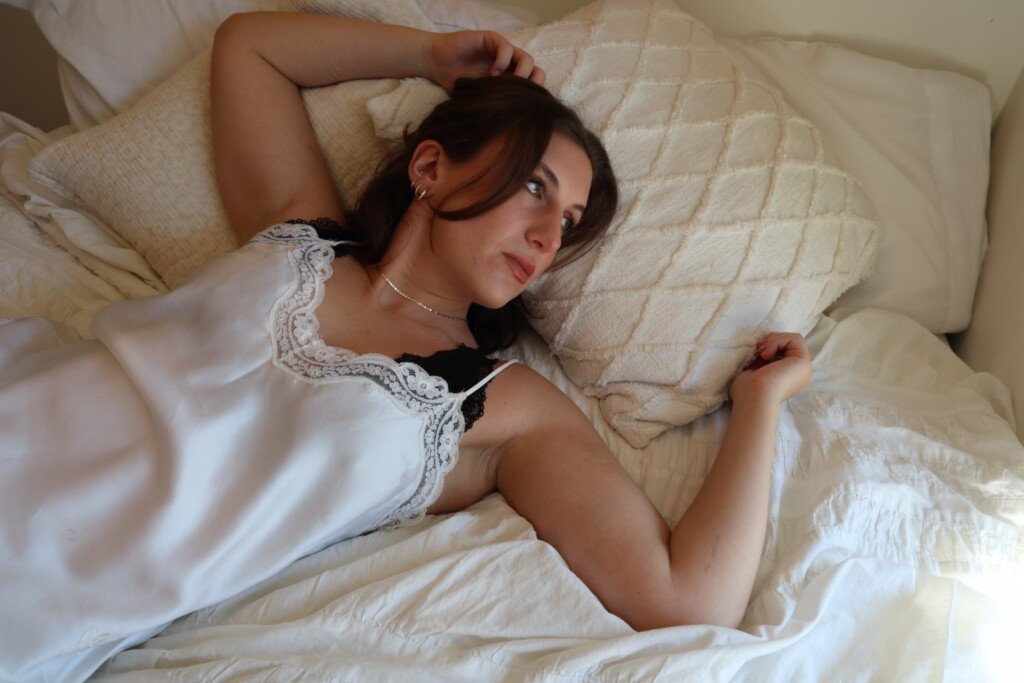
11. With social media having a heavy impact on our lives and the music business in general, how do you handle criticism, haters, and/or naysayers in general? Is it something you pay attention to, or simply ignore?
Jillian Marks: I try not to take criticism too personally. Ideally, when someone gives constructive criticism, they’re trying to help you improve or encouraging you to dig a little deeper, so I try to stay open to it and take something useful from it.
As for haters, I honestly haven’t experienced too much of that yet… but that’s probably because I’m not famous enough yet, haha. Ask me again in a few years! I’d like to think that as more people hear my music, I’ll be able to accept that not everyone is going to connect with what I make—and that’s okay.
I definitely do pay attention, though. I’m human, and it’s hard not to. For me, one of the hardest parts of social media is actually comparison. I’ll see another artist doing incredibly well and immediately wonder why I’m not there yet, while conveniently forgetting that they may have been working at this for years longer than I have. I’m trying to get better at focusing on my own timeline and remembering that someone else’s success doesn’t take anything away from what I’m building.
12. Creative work in a studio or home environment, or interaction with a live audience? Which of these two options excites you most, and why?
Jillian Marks: Live audience, without question. I love writing and creating music, but performing is where I feel most alive. I love hogging the microphone, singing my songs, entertaining people, and getting to actually see how an audience responds in real time. There’s something really special about taking a song that started with just me and a piano and suddenly sharing it with a room full of people.
I also just genuinely love performing. Whether I’m singing an original or a cover everyone knows, I love creating those moments where people stop what they’re doing, listen, sing along, or come up to me afterward. The studio is where the music comes to life, but performing is where I get to really experience it.
13. Do you think is it important for fans of your music to understand the real story and message driving each of your songs, or do you think everyone should be free to interpret your songs in their own personal way?
Jillian Marks: I think however someone connects with a song is how they’re meant to connect with it. It’s cool if listeners know the real story behind something I wrote and can relate to that exact experience, or even just understand where I was coming from when I wrote it. But I don’t think they need to know my story for the song to mean something to them. Once I release a song into the world, in a way, it becomes their song too. Someone might hear the same lyric I wrote about one specific person or moment and associate it with something completely different in their own life. I actually think that’s one of the most beautiful things about music. I know what the song means to me, but I want listeners to be able to make it their own.

STAY IN TOUCH: