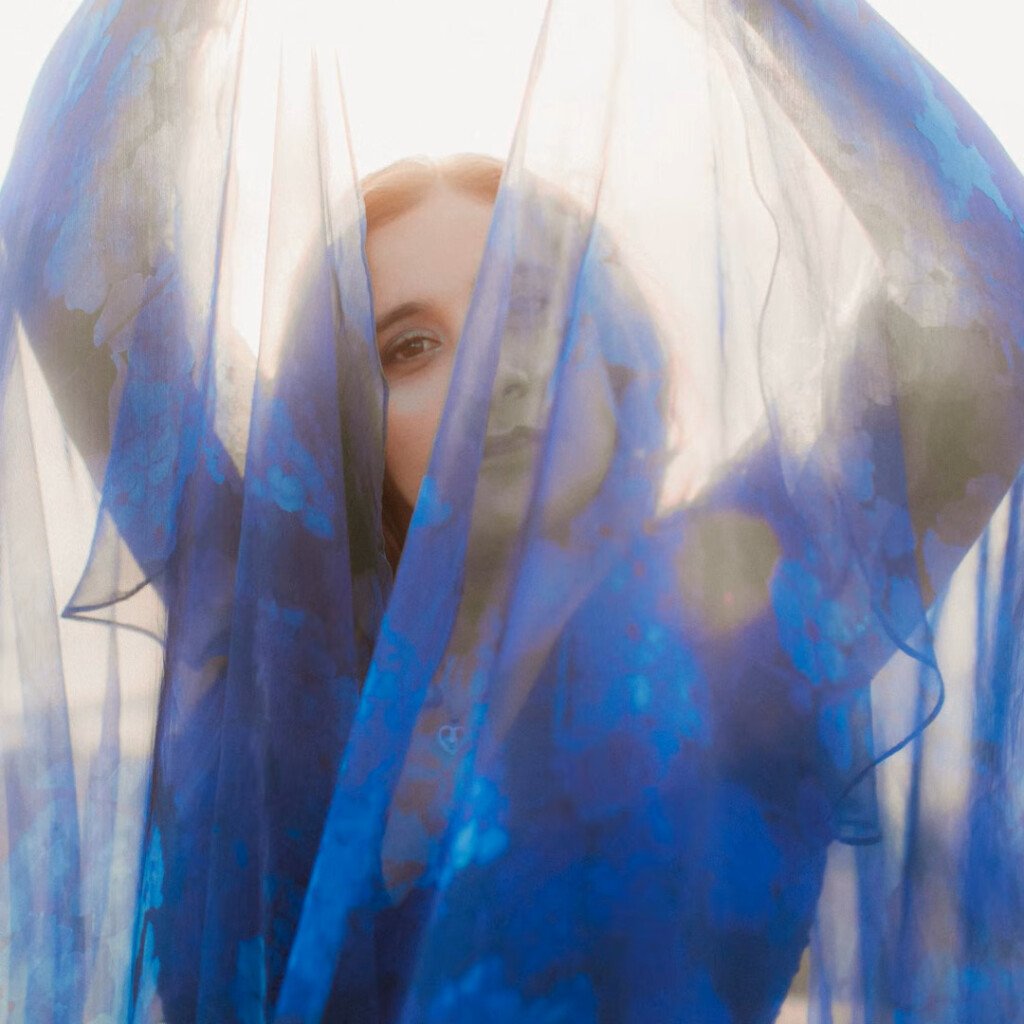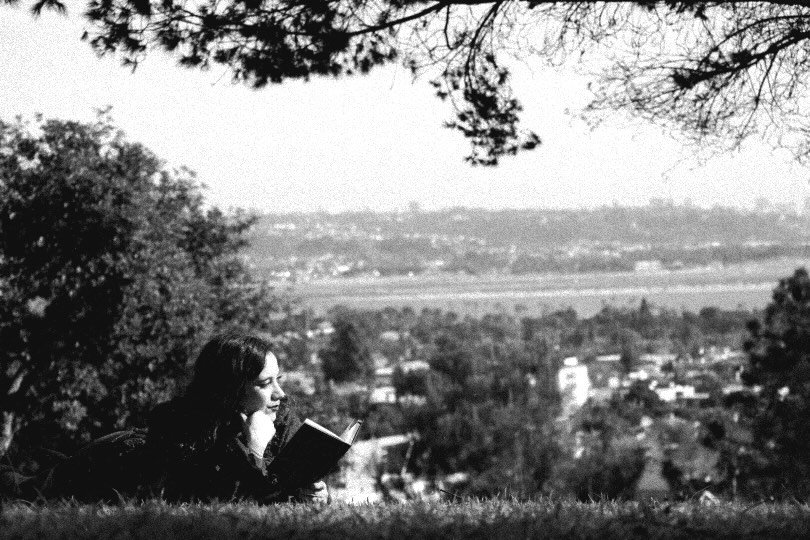
Lark is an emerging singer-songwriter from San Diego, California, whose introspective artistry draws from the emotionally honest storytelling of Taylor Swift, Gracie Abrams, and Lizzy McAlpine. With a gift for transforming intimate feelings into vivid imagery and atmospheric soundscapes, Lark crafts songs that explore the complex emotions often left unspoken. Her approach to songwriting is deeply personal yet universally relatable, centering on the feelings that are hardest to name. For “Residue,” she collaborated remotely with Nashville-based producer Abbey Loren, whom she discovered through SoundBetter, while recording vocals locally at Track One Studio in San Marcos, California. This blend of local roots and broader musical ambition reflects an artist building a distinctive voice within the indie-pop landscape, unafraid to share what means most to her despite the vulnerability it requires. Check out the exclusive Interview below:
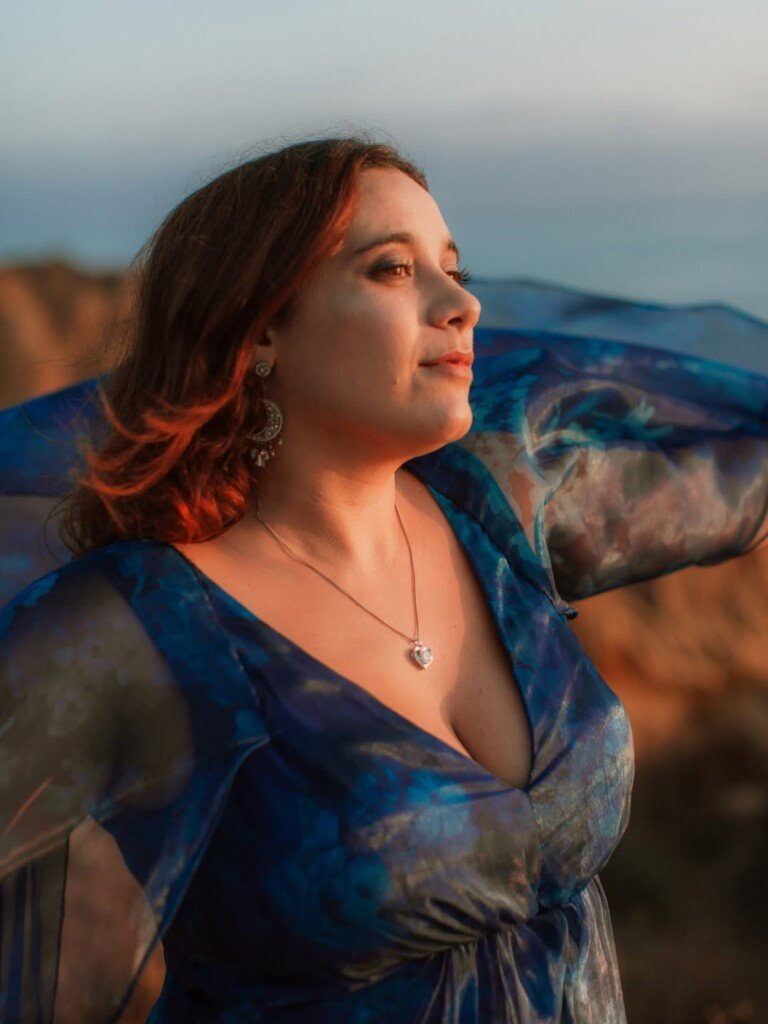
1. Your roots can often shape your journey. Can you share a story or moment from your early life that had a significant impact on your path into music?
LARK: When I was younger, I had the opportunity to take a voice lesson with Seth Riggs, who created Speech Level Singing and has worked with artists like Josh Groban, Kelly Clarkson and Prince. He told me I had what it takes and that I should perform as much as I could, anywhere I could. I was young, but hearing that from someone with his experience really stayed with me. It was one of the first moments that made me feel like music could actually be something I pursued, and I’ve carried that advice with me ever since.
2. Did your musical journey begin with formal training, or was it more of a personal exploration? How has that shaped your unique approach to your craft?
LARK: I came into music through classical training, which is funny because the music I make now is pretty far removed from that world. But I think it taught me to hear music in terms of movement and emotion- where something needs to build, where it needs space, and where the tension finally gets to resolve. Songwriting became the place where I could take all of that structure and make it much more personal. I still have that technical foundation, but now I’m much more interested in what a song makes you feel than whether I’m following all the rules.
3. Who were some of the most influential figures in your early musical life, and how did they inspire your sound? Also, what’s the story behind choosing the name ‘LARK’?
LARK: I was really lucky to have incredible music and voice teachers growing up who gave me a strong foundation, but also made music feel like something I could make my own. As for Lark, the name actually came from an ex-boyfriend who suggested it years ago, and it stuck with me. A lark is a songbird, but it can also mean a carefree adventure or a little bit of mischief, which feels pretty fitting for me. I tend to have the adventure, overthink it, and then write a song about it.
4. What do you believe sets your music apart? How would you describe your sound to someone discovering you for the first time, and what emotions or experiences do you hope to evoke in your listeners?
LARK: I think I’m always trying to make sense of things through music. I tend to overthink and pick apart experiences, especially the ones that don’t have a clean ending, and songwriting gives me somewhere to put all of that. My music is definitely pop, but it’s very lyric-driven and a little atmospheric. I love songs that feel pretty on the surface but have something messier happening underneath. I think more than anything, I want people to hear themselves in what I’m writing. Even if they haven’t lived the exact same story, I want them to recognize the feeling.
5. For most artists, originality is first preceded by a phase of learning and, often, emulating others. What was this like for you? How would you describe your own development as an artist and music maker, and the transition towards your own style, which is known as POP?
LARK: When I first started songwriting, I was really inspired by writers like Taylor Swift, Lizzy McAlpine, and Gracie Abrams. I loved how they could take something as familiar as heartbreak and find a completely new way to talk about it. It made me want to look for those really specific details and metaphors in my own writing. Over time, I started figuring out what I naturally gravitate toward- the gray areas, the almosts, and the things we tend to overthink. I think that slowly became my own voice.
6. Music often transcends entertainment. What’s your view on the role and function of music as political, cultural, spiritual, and/or social vehicles – and do you try and affront any of these themes in your work, or are you purely interested in music as an expression of technical artistry, personal narrative, and entertainment?
LARK: I think music can be a vehicle for all of those things, but I don’t feel like every song needs to make a statement about the world. Sometimes exploring the smaller, messier parts of being human is enough of a statement for me. I’m more interested in being honest than trying to make my music represent something it doesn’t.
7. Do you feel the rewards of your musical career match the energy and passion you invest in it, or are there different kinds of fulfillment you’re still seeking?
LARK: I’m still so early in this that I think the definition of “reward” is constantly changing. Obviously I’d love for the numbers to go up and for music to become a bigger part of my life, but there’s something kind of surreal about putting a very specific feeling into a song and having a stranger say, “I’ve felt that too.” That’s probably the kind of fulfillment I’m chasing most.
8. Can you walk us through your creative process? From the first spark of an idea to the finished track, what’s the most essential part of your process, and how do collaboration or external influences shape your work?
LARK: Apparently my creative process is to experience one emotionally confusing situation and get several songs out of it, so at least I’m efficient. Usually I’ll start with a lyric or concept and build from there on piano. I tend to write pretty instinctively and let the emotion lead before worrying too much about structure. Once I have the bones of a song, I love seeing how collaboration can bring out things I didn’t initially hear in it. I think the most important part for me is keeping whatever made me need to write the song in the first place intact.
9. What’s been the most challenging hurdle in either your personal life or music career, and how has it shaped you as an artist?
LARK: I think one of my biggest challenges has been learning how to live with ambiguity. I’m someone who wants to understand why things happened and what they meant, and sometimes you just don’t get those answers. Songwriting has become a way for me to sit with those questions without necessarily having to solve them. In a weird way, uncertainty has probably given me some of my favorite things to write about.
10 On the flip side, what moment or achievement in your career so far has made you feel the proudest, and why? And let’s talk about your latest release and future plans.
LARK: Releasing Residue has probably been my proudest moment so far. It’s my first release, and seeing people I’ve never met save it, add it to playlists and connect with it has been really surreal. It made me feel like the music is starting to have a life outside of me, which is ultimately what I want. I’m excited to keep releasing music and see where it goes from here.
11. With social media having a heavy impact on our lives and the music business in general, how do you handle criticism, haters, and/or naysayers in general? Is it something you pay attention to, or simply ignore?
LARK: I definitely don’t have a magical ability to ignore criticism. It can sting when you care this much about what you’re making. But I’m learning not to treat rejection as a verdict on my music. I’ll listen if there’s something constructive I can take from it, but ultimately I have to trust my own instincts. Not everyone has to connect with what I make, and that’s okay.
12. Creative work in a studio or home environment, or interaction with a live audience? Which of these two options excites you most, and why?
LARK: I love writing at home because it’s where I can be the most honest and completely in my own head, but I think performing excites me the most. There’s something thrilling about taking thoughts that were once so private and vulnerable and suddenly sharing them with a room full of people. Especially when you can feel that something you wrote alone is connecting with someone else.
13. Do you think is it important for fans of your music to understand the real story and message driving each of your songs, or do you think everyone should be free to interpret your songs in their own personal way?
LARK: I want people to be able to see their own lives in my songs. They may come from my experiences, but I don’t think you need to know every detail of my life to connect with them. If someone can take a song I wrote and use it to process their own heartbreak or feel a little less alone, that’s much more meaningful to me than them knowing the exact story behind it.

STAY IN TOUCH:
INSTAGRAM | SPOTIFY | TIKTOK | YOUTUBE