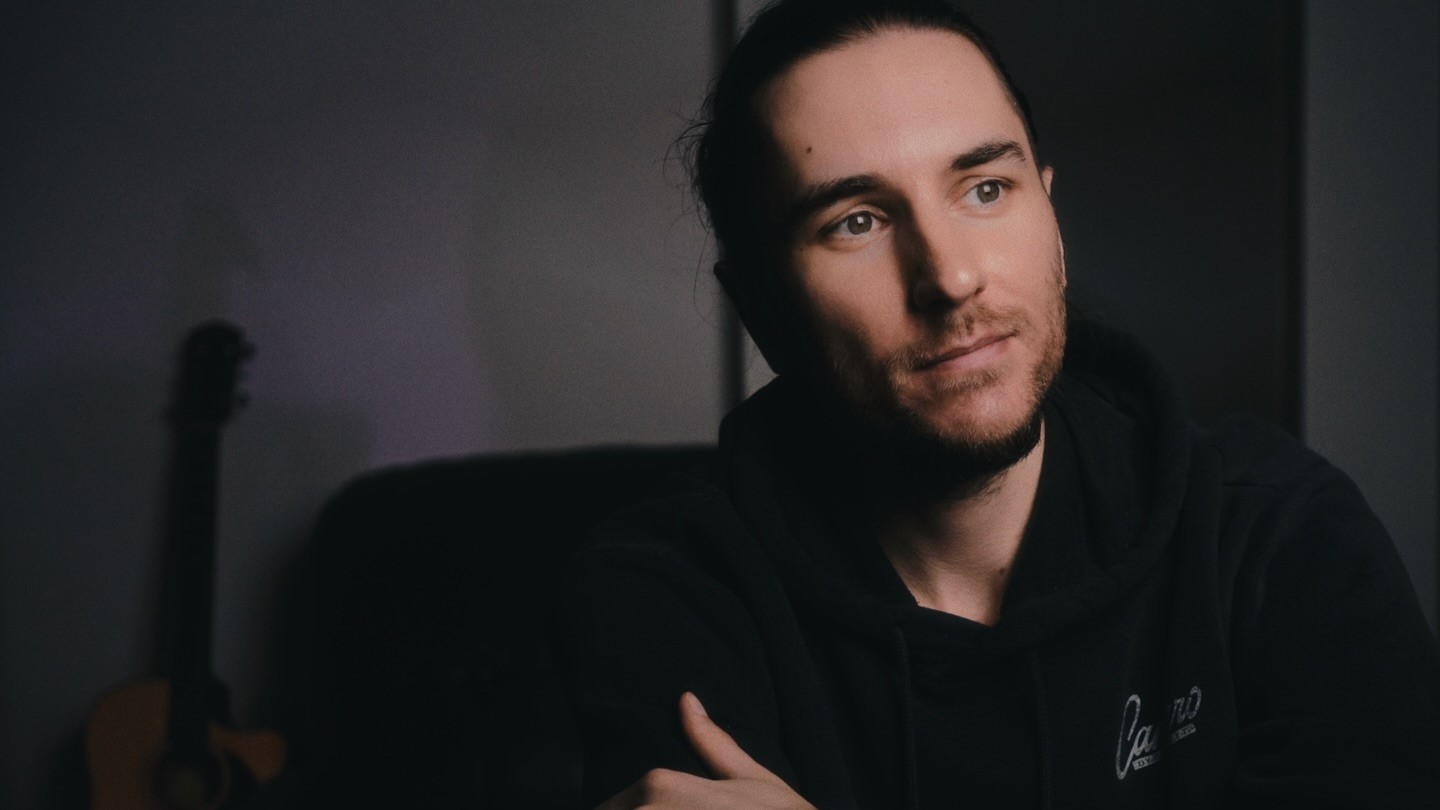
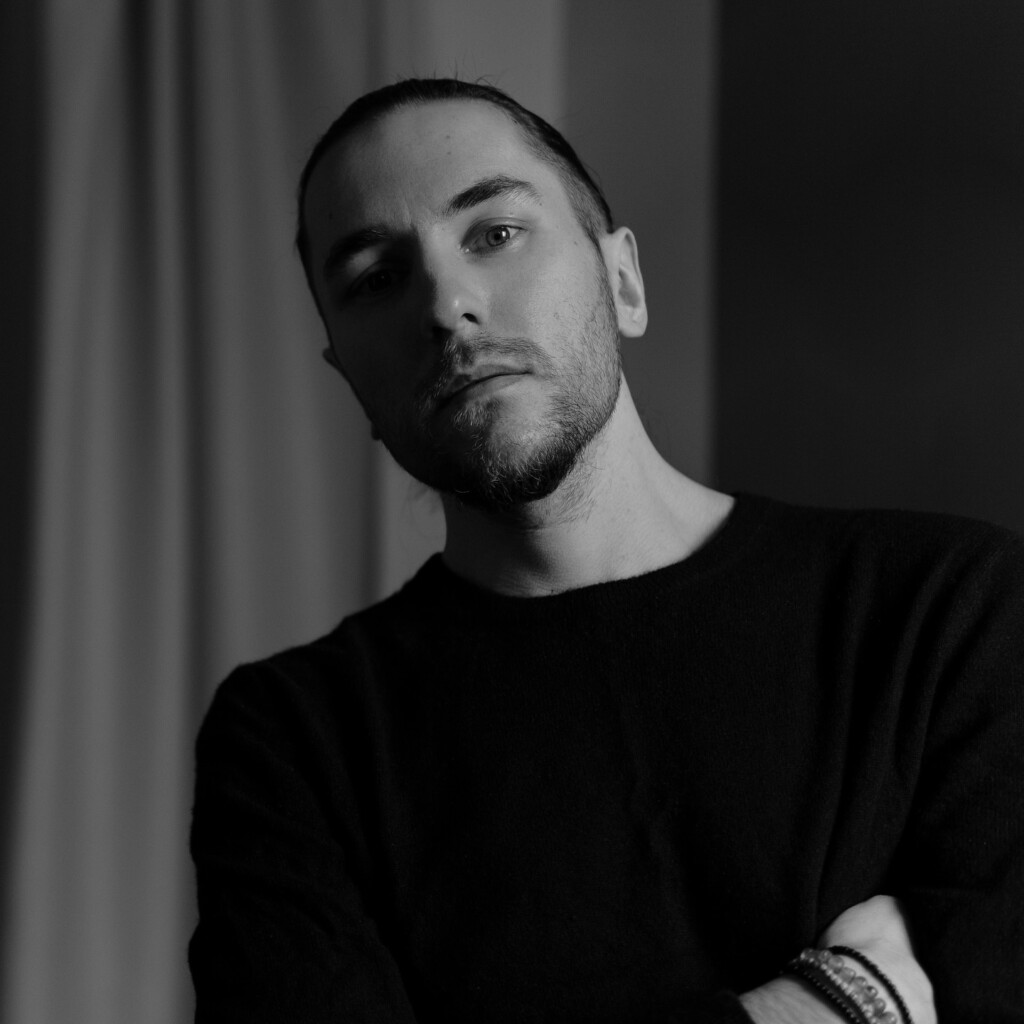
Olexandr’s passion for music began at a young age while growing up in Lviv, Ukraine. His talent for the piano led him to explore a variety of genres, from inspiring piano melodies to epic orchestral pieces, heavy rock, metal, ambient, and electronic music. His discography offers something for everyone to enjoy, and he finds the greatest reward in knowing that his music has the power to positively impact people’s lives. Check out the exclusive Interview below:
1. Your roots can often shape your journey. Can you share a story or moment from your early life that had a significant impact on your path into music?
OLEXANDR IGNATOV: I vividly remember the first time I saw a piano keyboard! I was mesmerized by how pressing the keys created all these wonderful sounds. Something so simple amazed me back then—and still does. That was the moment I truly fell in love with the piano.
But even before that, I was always drawn to music. I loved playing my father’s guitar, listening to music on cassette tapes, and watching live concerts on TV and VHS. It all felt magical, and I realized early on that music was something I was deeply passionate about.
2. Did your musical journey begin with formal training, or was it more of a personal exploration? How has that shaped your unique approach to your craft?
OLEXANDR IGNATOV: It started purely as personal exploration with whatever was available to me at the time—mainly my father’s guitar, which was hanging on the wall. Funny enough, that was the instrument that first got me into music, not the piano.
I taught myself how to play at a very young age using books, learning chords from popular songs, and just experimenting. Later, I tried applying for piano lessons at a music school, but they turned me down because there was no room for new students. However, at a middle school event, my future piano teacher discovered me and offered lessons—that’s when my formal training finally began.
Even with structured lessons, I was always more drawn to creating my own music rather than just playing classical pieces. That tendency to explore and improvise helped shape my unique style. I love classical music, but I also love improvising, which isn’t something typically emphasized in traditional music schools.
3. Who were some of the most influential figures in your early musical life, and how did they inspire your sound? Also, what’s the story behind choosing the name ‘OLEXANDR IGNATOV’?
OLEXANDR IGNATOV: For the name, well—when I was deciding on an artist name or a pseudonym, I just couldn’t come up with anything better than my own name, haha. No fancy story behind it!
As for influences, interestingly, most of them weren’t even piano players. I was (and still am) deeply inspired by pop, rock, and even metal bands. But when it comes to keyboardists, I was heavily influenced by Jordan Rudess, Keith Emerson, Rick Wakeman, and Jon Lord. Their playing and the music they created with their bands really left a mark on me.
For me, melody is the most important thing in music. My father once told me, “If a melody can be played on a piano or by an orchestra and still sound good, then it’s a great melody. If it can’t—it’s not.” And I absolutely agree. No matter the genre, I’m always drawn to strong melodies, and they continue to inspire me.
4. What do you believe sets your music apart? How would you describe your sound to someone discovering you for the first time, and what emotions or experiences do you hope to evoke in your listeners?
OLEXANDR IGNATOV: I think that’s for others to judge, but what I can say is that my main focus is on how my music makes people feel—anything at all.
While I appreciate the technical side of playing, when I sit at the piano, my priority is emotion. If I need to play just a few notes, I want to make sure they are played in a way that carries meaning. I truly admire artists who can do this—you can always tell when someone is playing from the heart versus just playing notes.

5. For most artists, originality is first preceded by a phase of learning and, often, emulating others. What was this like for you? How would you describe your own development as an artist and music maker, and the transition towards your own style?
OLEXANDR IGNATOV: Absolutely—I think every artist absorbs everything they hear and love. It becomes part of their musical DNA. But what makes each artist unique is how they interpret and transform those influences into something personal.
I’ve created music in various genres, not just piano, and I’m always searching for new ways to express myself. Staying open-minded is key because inspiration can strike from unexpected places. Right now, the piano is my main tool, but who knows? Maybe in the future, I’ll explore new sounds and directions. It’s all part of the journey, and I’m fully embracing it!
6. Music often transcends entertainment. What’s your view on the role and function of music as political, cultural, spiritual, and/or social vehicles – and do you try and affront any of these themes in your work, or are you purely interested in music as an expression of technical artistry, personal narrative, and entertainment?
OLEXANDR IGNATOV: I think music can be all of those things—if it aligns with the artist’s values and vision. Many musicians take a strong cultural or political stance, and it reflects in their work.
Being from Ukraine, I’ve seen a massive rise in artists incorporating Ukrainian culture into their music. That influence is somehow present in my work too. For example, in my album Motherland, which was written during the first year of the Russian invasion, you can hear the spirit and essence of traditional Ukrainian music in some parts of it. I don’t like it when music gets overly political, though. But I love when artists embrace their roots and culture.
Ultimately, music is an expression of identity, and I love when artists bring something personal and unique to their work. It makes music more interesting and diverse.
7. Do you feel the rewards of your musical career match the energy and passion you invest in it, or are there different kinds of fulfillment you’re still seeking?
OLEXANDR IGNATOV: Honestly, I don’t think too much about “rewards” in the traditional sense.
What matters most to me is that my music is being recognized, played, and loved.
Of course, since music is my profession, I do have to consider it from a business perspective as well. But ultimately, creating music is something I couldn’t live without. I’ve been doing it my entire life, and the fact that I’m still here, still making music, is its own kind of fulfillment.
8. Can you walk us through your creative process? From the first spark of an idea to the finished track, what’s the most essential part of your process, and how do collaboration or external influences shape your work?
OLEXANDR IGNATOV: It really varies. Usually, I sit at the piano, and a melody just comes to me. Some days it happens effortlessly, other days—nothing. You never know. The key is to trust the process and capture ideas as they come.
Sometimes, ideas arrive fully formed, and other times they come in small fragments that reveal themselves over time. I relate a lot to what David Lynch once said about creativity—he compared it to catching fish. You have to be patient, stay open, and be ready to grab an idea when it appears.
One of the most important things for me is documenting everything. I record all my ideas, no matter how I feel about them in the moment—good, bad, or completely useless. Most of the tracks from my new album started as tiny fragments I posted on Instagram, and later they evolved into full pieces.
9. What’s been the most challenging hurdle in either your personal life or music career, and how has it shaped you as an artist?
OLEXANDR IGNATOV: Definitely the war. Losing loved ones was the hardest. It has changed everything and shaped everyone to some extent, including me.
I’m still processing how exactly it has influenced my music—whether it’s made it more emotional, sad, or more profound in some way. I think I’ll understand it better with time. But one thing is certain: it makes you rethink everything on a deep level, and that inevitably affects how and what you create.
10. On the flip side, what moment or achievement in your career so far has made you feel the proudest, and why? And let’s talk about your latest release and future plans.
OLEXANDR IGNATOV: I don’t think there’s one particular moment I’d call my proudest. But what truly means the most to me is seeing people resonate with my music. I love reading their stories, comments, and messages—there are so many, and sometimes they really move me.
Knowing that my music has touched someone, helped them through a moment, or simply made their day better is incredibly rewarding. That’s when all the hard work feels worth it.
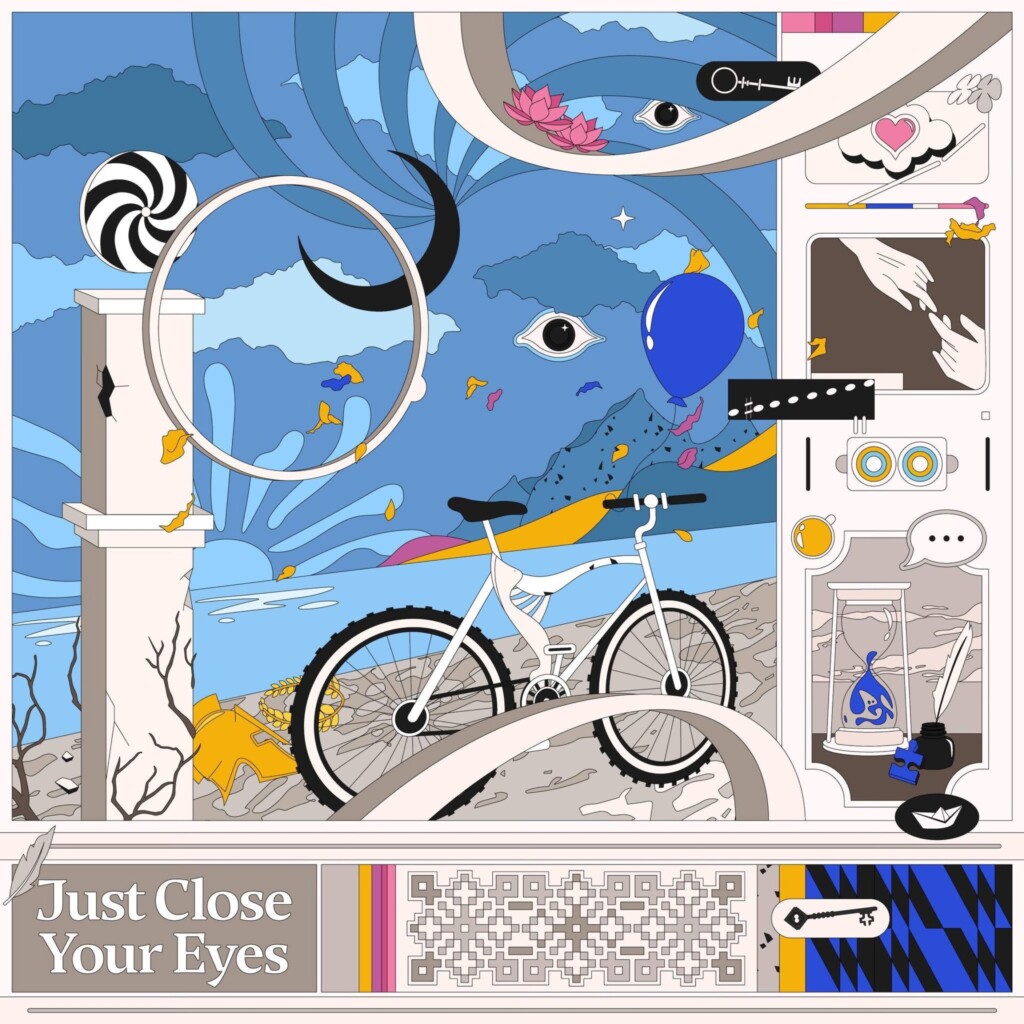
As for my latest release and future plans, I’ve just released my new solo piano album called ‘Just Close Your Eyes’ and it’s been great, people seem to love it! You can listen to it here listen.olexandrignatov.com/justcloseyoureyes, and as for the future, we’ll see. I have some ideas, but I won’t share them now.
11. With social media having a heavy impact on our lives and the music business in general, how do you handle criticism, haters, and/or naysayers in general? Is it something you pay attention to, or simply ignore?
OLEXANDR IGNATOV: Honestly, I don’t really get criticism or haters. Maybe once or twice a year, I’ll get a random comment on Instagram from someone saying something dumb about the way I play or my music, but that’s about it.
I should probably get more haters—after all, they boost engagement, haha! But in all seriousness, I don’t let negativity affect me. I focus on creating music and connecting with the people who appreciate it. That’s what matters.
12. Creative work in a studio or home environment, or interaction with a live audience? Which of these two options excites you most, and why?
OLEXANDR IGNATOV: Right now, it’s all about the home studio for me. I used to love playing live shows—though not as a solo artist, but with my bands. The energy of a live performance is something special and something I’d love to return to.
At this stage, though, I’m really focused on recording and producing. But who knows? Maybe one day, I’ll bring it all to the stage. That’s definitely something I’d love to do.
13. Do you think is it important for fans of your music to understand the real story and message driving each of your songs, or do you think everyone should be free to interpret your songs in their own personal way?
OLEXANDR IGNATOV: Since my music is instrumental (except for one very special song with the vocals), I love that everyone can find their own meaning in it. It’s fascinating how people listen to the same piece and have completely different emotional experiences—different thoughts, memories, and feelings. That’s the beauty of music.
I don’t want to dictate what someone should feel when they listen to my music. It’s their journey. That said, I do sometimes share the stories behind making certain tracks, and some people find that interesting. But in the end, my goal is for listeners to just close their eyes, open their hearts, and let the music become theirs.

KEEP IN TOUCH:
FACEBOOK | INSTAGRAM | TWITTER | SPOTIFY | BANDCAMP | TIKTOK | WEBSITE | YOUTUBE