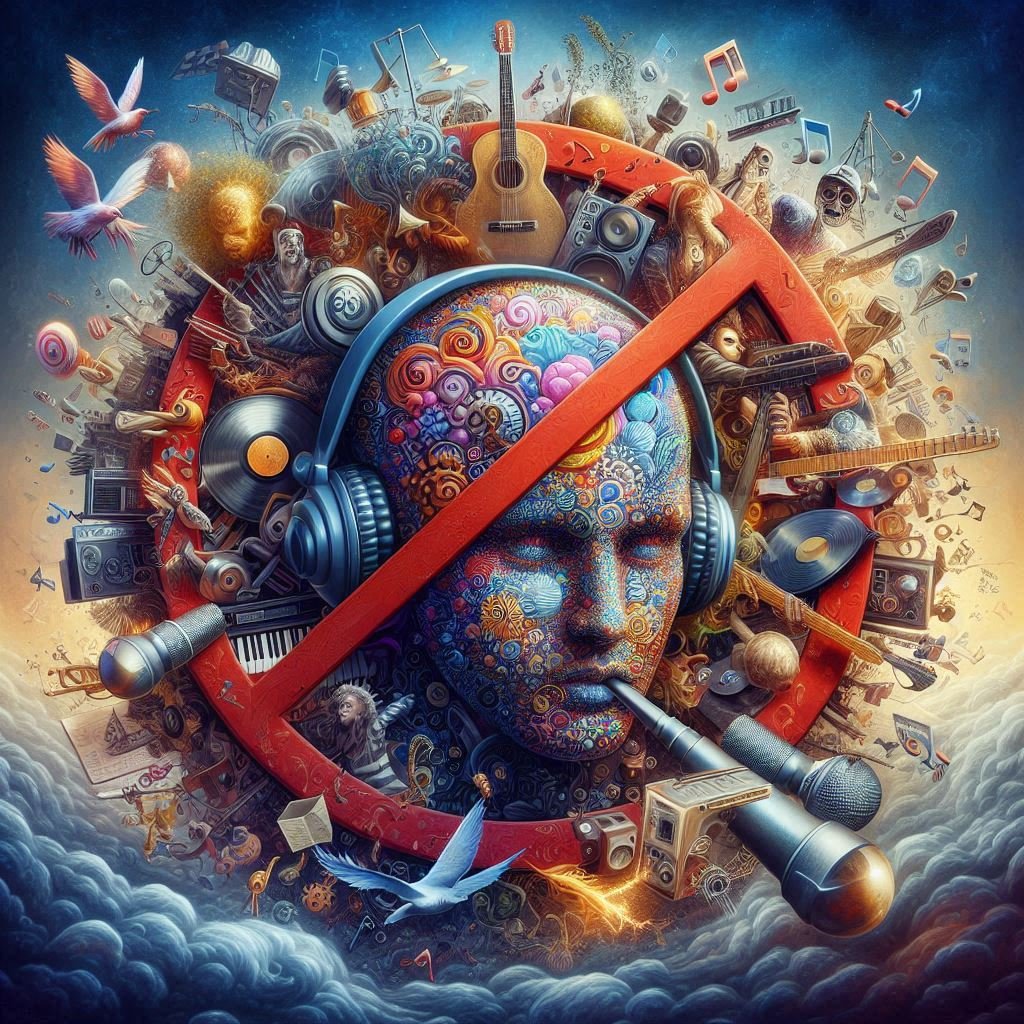


Music has always been more than just sound—it’s a force. It moves people, fuels revolutions, inspires change, and sometimes… gets banned. Across history, governments and institutions around the world have feared the power of music to stir emotions and ideas. The result? Entire genres have been silenced, censored, or outright banned. From jazz to rock, hip-hop to heavy metal, music has often found itself on the frontlines of cultural and political battles.
In this article, we’ll explore music genres that were banned across the world, the surprising reasons behind the bans, and how artists and fans fought back. Buckle up—this is one wild ride through rhythm, rebellion, and resistance.
Why Is Music Banned?
Let’s be real: banning music might sound extreme, but for many regimes and societies, it’s been a go-to move to control culture. Music influences how people think and feel. It questions authority, breaks rules, and gives a voice to the unheard. That’s exactly why it freaks out those in power.
Common reasons for banning music include:
- Political dissent
- Religious opposition
- Cultural preservation
- Fear of youth rebellion
- Foreign influence or Westernization
With that context in mind, let’s dive into the specific genres that have made governments sweat—and how they became symbols of defiance.
1. Jazz – Banned in Nazi Germany and the Soviet Union
Genre Vibe: Soulful, free-form, expressive
Country of Ban: Nazi Germany, USSR (Soviet Union)
Reason: “Degenerate art,” seen as racially and morally dangerous
Back in the 1930s and ’40s, jazz music was making waves in the U.S. and beyond. But in Nazi Germany, jazz was labeled as “Entartete Musik” (degenerate music) due to its African-American roots and its association with freedom and individualism. Hitler’s regime feared it could corrupt the German people.
In the Soviet Union, jazz was also demonized as part of a broader rejection of Western culture. The genre was associated with “bourgeois decadence,” and musicians who performed it were surveilled, harassed, and sometimes imprisoned.
But jazz didn’t die—it went underground. Secret concerts, coded recordings, and bootleg radio broadcasts kept the spirit of jazz alive. Today, jazz is recognized as one of the most influential genres in modern music.
2. Rock ‘n’ Roll – Feared by Communist and Conservative Governments Alike
Genre Vibe: Loud, rebellious, guitar-driven
Countries of Ban: USSR, East Germany, Iran, and even early U.S. radio stations
Reason: Promotes rebellion, sexual liberation, Western influence
When rock music exploded in the ’50s and ’60s, it wasn’t just a sound—it was a cultural revolution. That’s why authoritarian regimes clamped down hard.
In Eastern Bloc countries, like the Soviet Union and East Germany, rock music was banned or heavily censored. Authorities feared it would inspire youth rebellion and Western ideals like freedom of expression. But teens still found ways to listen—recording music onto discarded X-ray films (known as “bone music”) and hosting secret parties.
Even in the United States, early rock songs were banned from radio stations for being “too suggestive.” Elvis Presley’s hips literally caused nationwide panic.
Fast forward to now: rock is everywhere, from Super Bowl stages to movie soundtracks. Its rebellious roots made it a global phenomenon.
3. Hip-Hop – Targeted for Its Raw Truths
Genre Vibe: Lyrical, rhythmic, politically charged
Countries of Ban: China, Iran, Cuba, United Arab Emirates
Reason: Anti-authority messages, profanity, “immoral” content
Hip-hop isn’t just music—it’s a movement. Born in the Bronx, it gave marginalized voices a platform to speak their truth. But that truth often doesn’t sit well with governments.
In China, rap lyrics critical of the government have led to artists being silenced, albums pulled from streaming platforms, and entire genres being restricted. In Iran, hip-hop artists must operate underground to avoid arrest or persecution. And in Cuba, politically charged rap has been labeled as counter-revolutionary.
The United Arab Emirates and some other Middle Eastern nations have banned hip-hop shows and censored tracks for being “offensive” or contrary to cultural norms.
Despite this, hip-hop keeps pushing boundaries—and remains a global voice for justice and resistance.
4. Heavy Metal – Accused of Satanism and Corrupting the Youth
Genre Vibe: Intense, distorted, loud, emotional
Countries of Ban: Iran, Egypt, Saudi Arabia, Malaysia
Reason: Satanic imagery, Western influence, violent or rebellious themes
Let’s be honest—metal music has always embraced shock value. But for many conservative societies, that was a step too far.
In the Middle East and North Africa, heavy metal bands have been raided, jailed, and had their instruments confiscated. Governments accused them of devil worship, citing dark lyrics, long hair, and band names as evidence of “un-Islamic” behavior.
In Malaysia, over 20 metal bands were blacklisted in the 2000s, with officials claiming they encouraged “negative values.” Even some metalheads were arrested just for owning band merchandise.
Despite the bans, metalheads didn’t give up. Underground scenes flourished in basements, garages, and remote forests. For fans, metal wasn’t just a genre—it was a lifeline.
5. Reggae – Rebel Music in Babylon
Genre Vibe: Laid-back, rhythmic, spiritual, political
Country of Ban: Seychelles, parts of Africa, sometimes targeted in Jamaica
Reason: Association with Rastafarianism, anti-establishment messages
Reggae music, born in Jamaica and carried worldwide by artists like Bob Marley, blends spirituality, rebellion, and peace. But its messages didn’t sit well with everyone.
In Seychelles, reggae was banned for several years during the 1980s under a socialist regime that feared it would destabilize the state. It was seen as promoting Rastafarian ideals and Western influences.
In South Africa, during apartheid, reggae was suppressed because of its calls for liberation and equality. Even in Jamaica, reggae has faced bans and censorship for being too politically or religiously provocative.
Still, reggae stands tall as one of the most globally respected and influential music genres—its message of resistance never fading.
6. Disco – The Music That Sparked a Backlash
Genre Vibe: Funky, danceable, vibrant
Country of Ban: United States (indirect), Iran, Islamic nations
Reason: Seen as overly sexual, “frivolous,” or un-Islamic
While disco wasn’t officially banned in the U.S., the “Disco Demolition Night” in 1979 was a cultural moment that felt like an attempted cancellation. Disco was mocked for its association with LGBTQ+ communities, Black and Latinx culture, and its glam aesthetic. Many saw the backlash as more than just musical—it was cultural, even political.
In Iran, disco was banned after the Islamic Revolution of 1979. Any music that promoted dancing, partying, or Western values was shut down. The same happened in several Islamic countries, where disco’s image clashed with conservative values.
Ironically, disco never really died. It transformed into house, techno, and EDM—genres that dominate today’s charts and clubs.
7. Punk Rock – Too Loud, Too Fast, Too Real
Genre Vibe: Raw, aggressive, anti-authority
Countries of Ban: USSR, Indonesia, China, Myanmar
Reason: Rebellious, anarchist, anti-government lyrics
Punk has always been about breaking the system. So, naturally, governments weren’t too hyped about it.
In the Soviet Union, punk was banned as part of a crackdown on Western influence. In Indonesia, members of punk communities were arrested and forced into “re-education camps.” They were made to shave their heads and attend state-sponsored “moral rehabilitation” sessions.
Myanmar banned punk shows, fearing political unrest. Chinese punks have had gigs raided, music pulled, and lyrics censored.
Even with the risks, punk persisted—thriving in underground clubs, alleyways, and on cheap cassette tapes passed hand-to-hand.
8. Techno and Electronic – Too Free for Control
Genre Vibe: Hypnotic, futuristic, boundary-pushing
Countries of Ban: Iran, Russia (select artists), some Middle Eastern countries
Reason: Encourages drug use, anti-establishment, Western club culture
Techno and electronic dance music (EDM) may seem like festival fun, but in some countries, they’re seen as threats to cultural and political order.
Iran has banned most electronic music, especially if it promotes dancing or Western aesthetics. Underground raves still happen—secret locations, hidden invites, and tons of risk.
In Russia, several techno artists and events have been targeted for promoting “non-traditional values” or political dissent.
Still, techno thrives in underground scenes from Tehran to St. Petersburg. It’s the ultimate symbol of freedom for youth looking to escape control.
Final Thoughts: Music Can Be Dangerous—and That’s Its Power
From jazz to hip-hop, reggae to punk, music genres have been banned not because they’re bad—but because they’re powerful. Music challenges the norm, questions authority, and connects people across borders. When leaders try to control culture, they often go after the soundtrack first.
But music always finds a way. It seeps through cracks, crosses borders, and lives in the hearts of fans. That’s why every banned genre eventually becomes a symbol of freedom.
So the next time you press play on your favorite track, remember: you’re tuning into a legacy of rebellion. And that’s pretty iconic.
