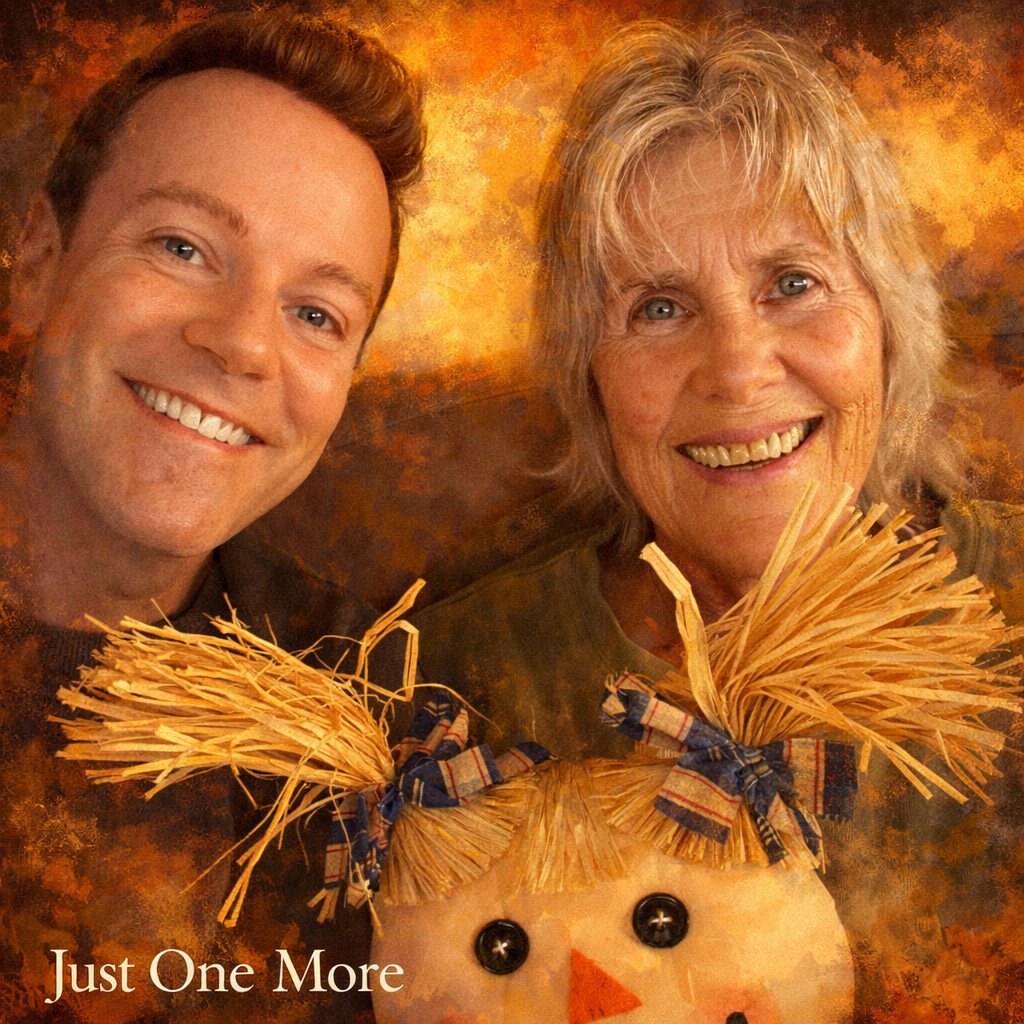
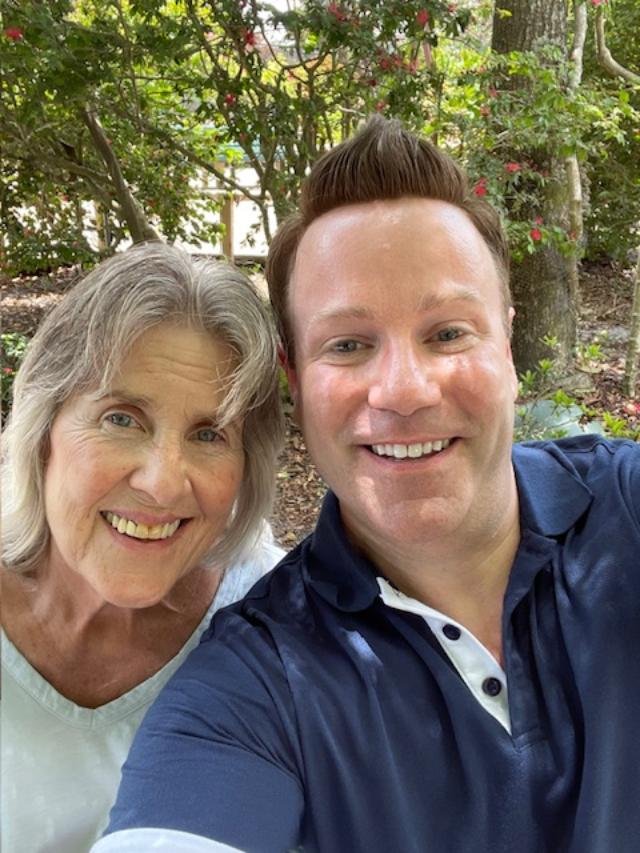
Seth Walker began creating music at the request of his mother as she navigates Parkinson Plus, a fast-moving and incurable disease. With Seth based in Florida and his mother in Iowa, the distance between them has shaped a deeply personal body of work — songs that trace love, memory, fear, strength, and the quiet moments in between. Each release reflects the progression of the journey they’re living through together: the conversations, the laughter, the hard days, and the determination to make every moment count. This music was never meant to be a career — it was meant to be a gift. Blending emotional storytelling with touches of folk and modern electronic production, Seth’s songs exist first for her — and, in the process, connect with anyone who has ever loved someone through change. Check out the exclusive Interview below:
1. Your roots can often shape your journey. Can you share a story or moment from your early life that had a significant impact on your path into music?
Seth Walker: When I was a child, my mom worked incredibly hard as a single parent raising my sister and me. She always tried to keep us involved in activities we enjoyed. While my sister was passionate about gymnastics, I became fascinated with the piano.
We couldn’t afford a real piano, so my mom bought me a small electronic keyboard that came with cassette tapes. I would listen to the melodies and then spend hours trying to recreate them or play the music I heard in my head. Before long, my mom, friends, and even other parents began noticing that I could hear something and figure it out by ear.
Seeing how much I loved music, my grandparents surprised me by buying me not one, but two full-size keyboards over the years. Around that same time, instructional VHS videos came out that showed the keys being played while teaching the names of the notes. Even though I still never truly learned to read sheet music, being able to watch and hear the music helped me expand beyond simply copying songs. I began adding my own ideas, experimenting with arrangements, and eventually singing along with what I created.
Looking back, I realize those moments sparked a lifelong love of music. I didn’t know it then, but that little keyboard my mom gave me would eventually become the beginning of a journey that would come full circle years later.
2. Did your musical journey begin with formal training, or was it more of a personal exploration? How has that shaped your unique approach to your craft?
SETH WALKER: Music has always been part of my life, but the piano was my first love. From a young age, I was fascinated by how it could express both excitement and emotion. I couldn’t really read sheet music, but I could hear a song once and often recreate it on our electric keyboard simply by listening and experimenting until it sounded right.
My mom was the first person to recognize that ability. She would catch me listening to songs and then trying to play them from memory. She encouraged me to take music classes and sing in school, even though I was always much more comfortable blending into a group than standing in the spotlight. I’ve never really enjoyed being the center of attention, and as I got older, I gradually stepped away from music altogether.
To this day, I still can’t truly read music. Every song I create is built by ear through patience, trial and error, and a lot of persistence. Recent advances in AI have become an incredible tool because they help bridge the gap between the music I hear in my head and the finished songs I can create. Earlier this year, I earned AI certifications to help me in my Human Resources career, but I quickly realized those same skills could also help me organize, develop, and bring my musical ideas to life. Rather than replacing my creativity, AI helps me translate the music I already hear in my mind into something I can continue building and refining.
Looking back, it’s amazing how life comes full circle. Today my mom is living with corticobasal degeneration (CBD), a rare Parkinson’s Plus disease, and she became the reason I returned to music. At her request, she wanted me to sing for her whenever I come home to visit. As I thought about that, I realized I could give her something even more meaningful. Instead of simply singing songs, I started writing and creating songs for her—capturing our memories, our journey, and the love we’ve shared as a family.
I actually work full-time in Human Resources, and I never set out to become a recording artist. I’m still learning every day. I don’t consider myself a professionally trained musician—just a son using the gifts he’s been given, along with modern technology, to tell his mom’s story.
I’m doing this because my mom asked me to share our story and help bring awareness to this devastating disease. She wanted people to understand what families like ours go through. If our songs help even one family feel less alone while facing a diagnosis like this, then every hour I’ve spent writing, recording, and sharing our music has been worth it. Right now, there is no cure and no treatment that can stop or slow the progression of corticobasal degeneration, so if my music can start conversations, raise awareness, and offer hope to others walking the same road, then I know I’m honoring exactly what my mom hoped I would do.
3. Who were some of the most influential figures in your early musical life, and how did they inspire your sound? Also, what’s the story behind choosing the name ‘Seth Walker’?
SETH WALKER: In addition to my mom and grandparents, my music teachers had an incredible impact on me. Throughout elementary school, my music teacher constantly told me I had a gift and encouraged me to nurture it. When my family moved and I started middle school, my new music teacher said exactly the same thing.
What surprised everyone was that it took nearly three years before she realized I couldn’t actually read sheet music. I learned entirely by listening. She only had to sing a melody or play it once and tell me the key, and I could usually reproduce it. I wasn’t reading the notes—I was hearing them, remembering them, and making them my own.
The same thing happened in high school and college. My teachers quickly realized that while I still couldn’t read music in the traditional sense, I could hear a piece, understand it by ear, and then perform or recreate it. It’s an unconventional way to learn, but it’s the only way I’ve ever known.
As for the name “Seth Walker,” there’s actually no stage name behind it—it’s simply my real name. Since the music I create is deeply personal and tells my family’s story, I wanted listeners to know exactly who was sharing it. Using my own name felt like the most honest way to honor my mom, our journey, and the message behind the songs.
4. What do you believe sets your music apart? How would you describe your sound to someone discovering you for the first time, and what emotions or experiences do you hope to evoke in your listeners?
Seth Walker: What sets my music apart is that every song tells a real chapter of my mom’s and my journey through corticobasal degeneration (CBD), a rare Parkinson’s Plus disease. These aren’t fictional stories—they’re moments we’ve actually lived together.
The songs begin with the day we finally learned what was causing her symptoms and my drive home to Iowa to be with her. They continue through the promise that I would return in the spring, the heartache of living over 1,500 miles away in Florida and not always being able to be there, the memories of our last dance together in the living room, and even the opportunity to write two songs with my mom before her illness progressed further.
My latest release, “Just One More,” captures something I think every family facing a terminal illness understands—the wish for just one more conversation, one more laugh, one more drive together, one more holiday, one more memory. My upcoming release, “Rearview Full of You,” tells the story of leaving Iowa after one of my visits, looking into the rearview mirror as I drove back to Florida, wondering if that would be the last time I’d see my mom and hoping we would have just one more autumn together.
What makes this project unique is that my music changes as my mom’s condition changes. Some songs are heavier because they reflect the heartbreak of watching someone you love slowly decline. Others are full of hope and excitement because I know I’ll be home to see her again soon. As her disease progresses, the songs naturally become more emotional, but I always try to leave room for moments of joy, optimism, and gratitude. In fact, I promised my mom that I would write her a happy song for her upcoming birthday because, even in the middle of hardship, there are still reasons to celebrate.
Many people expect songs about illness and loss to be slow, quiet ballads. I like challenging that expectation. I often tell deeply emotional stories over uplifting dance-pop and electronic music because I want to reach younger listeners while showing that hope and heartbreak can exist in the same song. Life isn’t only sadness, and I don’t believe music has to be either.
More than anything, I hope my music brings hope, comfort, and awareness. I want it to remind people to cherish the small, fleeting moments with the people they love, because those ordinary moments often become the ones we treasure most. Don’t wait until someone is gone to tell them how much they mean to you. Tell them today. Let them hear it. Let them feel it. That’s exactly what I’m trying to do with my mom. I want her to know, every single day, that she is the most important and loved person in my world while I still have the chance to tell her.
5. For most artists, originality is first preceded by a phase of learning and, often, emulating others. What was this like for you? How would you describe your own development as an artist and music maker, and the transition towards your own style, which is known as EDM?
Seth Walker: Like most new artists, I learn by listening. I’m inspired by dance artists whose music connects with me emotionally, and sometimes I’ll hear a ballad or another style of song and imagine how that same story would sound if I told it through my own voice and with a more uplifting dance-pop feel. That’s where many of my ideas begin—not by copying someone else’s work, but by asking myself, “How would I tell this story?”
I’m completely self-taught, and every song teaches me something new. I still create music by ear, and every project is another opportunity to learn and grow. I don’t pretend to be a professionally trained musician. I’m simply someone who loves music and wants to tell an honest story in the best way I can.
My development as an artist has been shaped far more by my mom’s journey than by any music lesson. As I watch her slowly decline from corticobasal degeneration (CBD), a rare Parkinson’s Plus disease, I’ve learned to channel emotions like fear, hope, sadness, gratitude, and love into something positive. Songwriting has become my outlet. Instead of letting those emotions consume me, I turn them into music that preserves our memories and, I hope, helps other families who are walking a similar path.
I’ve also spent countless hours learning everything that happens behind the scenes. From songwriting, publishing, copyrights, royalties, distribution, and marketing, I’ve immersed myself in an entirely new world. There have been plenty of mistakes along the way, but every challenge has taught me something valuable.
At the end of the day, my goal has never been to become a superstar. My goal is much simpler. I want to celebrate my mom, honor everything she has done for me, bring greater awareness to corticobasal degeneration, and hopefully contribute in some small way toward a future where families have better treatments—or one day, a cure. If I can make my mom proud while helping even one other family feel seen, then every hour I’ve invested has been worth it.
6. Music often transcends entertainment. What’s your view on the role and function of music as political, cultural, spiritual, and/or social vehicles – and do you try and affront any of these themes in your work, or are you purely interested in music as an expression of technical artistry, personal narrative, and entertainment?
Question
Seth Walker: I don’t approach my music from a political, cultural, or ideological perspective. There are many artists who are passionate about those subjects, and I respect that, but it’s not the purpose behind my work.
For me, music is about comfort, personal experiences, entertainment, and giving something meaningful back to others. It’s about helping people process life’s difficult moments while reminding them that hope can still exist, even during the hardest chapters of life.
My songs are deeply personal because they’re inspired by my mom’s journey with corticobasal degeneration (CBD), a rare Parkinson’s Plus disease. Rather than focusing on politics or division, I’d rather focus on love, family, resilience, and making the most of the time we have with the people who matter most.
I believe every person has been given unique talents and opportunities. Whether those gifts come through faith, life experiences, or simply the way we’re wired, I feel fortunate to have found an outlet that allows me to create something positive from one of the most difficult experiences I have ever faced, as my mother is the most important person in my life!
If my music can comfort someone who’s grieving, encourage a caregiver, inspire a family to cherish the time they have together, or introduce someone to a disease they had never heard of before, then I feel I’ve accomplished something far more meaningful than simply releasing another song.
7. Do you feel the rewards of your musical career match the energy and passion you invest in it, or are there different kinds of fulfillment you’re still seeking?
Seth Walker: I’ve been genuinely amazed by how quickly my music has grown, traveled, and connected with listeners in less than seven months. When I started, I honestly thought I’d write one song, sing it for my mom, and that would be the end of my musical journey.
Instead, the people closest to me kept encouraging me to take the next step. My dad suggested I publish my music so it could continue earning royalties and live on for years to come. My best friend encouraged me to create music videos to help tell our family’s story visually. Some of my coworkers convinced me to expand beyond Apple Music and Spotify so more people could discover the songs. My college friends encouraged me to begin thinking about another creative outlet for the future so that, when my mom’s journey eventually comes to an end, I would still have something positive to pour my heart into. Most importantly, my mom simply told me to keep going and make her proud.
Every month seems to bring another surprise. Whether it’s hearing from listeners around the world, watching the music reach new countries, or seeing another song connect with someone, I’m constantly reminded that these stories are touching people far beyond my own family.
I’ll admit that I’m probably a little obsessed with checking my streaming statistics every night. Not because I’m chasing fame or fortune, but because every new listener represents another person who might learn about corticobasal degeneration (CBD), find comfort in one of my songs, or realize they aren’t alone in what they’re going through. Those numbers aren’t just statistics to me—they represent people. Every new country, every stream, every playlist, and every message reminds me that our story is reaching someone who may need to hear it.
The funny thing is, I’ve never wanted to be famous. In fact, I’d be perfectly happy if people never recognized me in public. My greatest reward is knowing that our family’s story is reaching hearts, creating conversations, and perhaps making someone else’s difficult journey feel just a little less lonely.
When the time eventually comes to say goodbye to my mom, I hope to collect all of these songs into a single album that tells our entire journey from beginning to end. It won’t just be an album—it will be a musical scrapbook of our life together, a tribute to the woman who inspired me to create music again, and, I hope, a lasting source of comfort for other families facing the same road. If that happens, then I will know I’ve accomplished exactly what I set out to do.
8. Can you walk us through your creative process? From the first spark of an idea to the finished track, what’s the most essential part of your process, and how do collaboration or external influences shape your work?
Seth Walker: You know what’s funny? Most of my song ideas don’t come when I’m sitting in front of a computer trying to write music. They usually happen when I’m doing the exact opposite.
Some of my biggest sparks of inspiration come while I’m working out on the elliptical at the gym or during the long drives between Florida and Iowa to visit my mom. Those are the moments when my mind finally slows down. The stress of work fades away, and I have the space to think, reflect, and let new ideas naturally appear.
I’m sure some people at the gym wonder what I’m doing because, in the middle of a workout, I’ll suddenly pull out my iPhone and start frantically jotting down lyrics or song ideas before they disappear. I’ve learned that if I don’t capture the idea immediately, there’s a good chance it will be gone by the time I get home.
I’ve also learned that creativity can’t be forced. If I sit down and tell myself, “I’m going to write a song today,” it rarely happens. But when I’m relaxed, exercising, or driving for hours with nothing but my thoughts, melodies, lyrics, and entire song concepts suddenly begin coming together.
Once I have an idea, I’ll usually save voice notes or write down lyrics before I forget them. From there, I build the song piece by piece. Since I still create music by ear rather than reading sheet music, the process involves a lot of listening, experimenting, rewriting, and refining until it captures the emotion I’m trying to express. AI has also become an incredible creative tool, helping me bridge the gap between the music I imagine and the finished song I want listeners to hear.
I’m also incredibly fortunate to be surrounded by people who care. My family, friends, coworkers, neighbors, and even people I’ve met through music are always eager to offer ideas, encouragement, and advice—sometimes even when I haven’t asked for it! I genuinely welcome those conversations because you never know where the next great idea will come from. I may not use every suggestion, but I always listen, think about it, and ask myself what I can learn from it or how it might help me grow as both a songwriter and a person.
Everything I create starts with a real memory or emotion. Whether it’s a conversation with my mom, a promise I made to her, a drive back to Florida, or simply thinking about what our family is experiencing, I try to turn those moments into songs that feel honest. If someone listening can close their eyes and feel like they’re living that moment with us, then I’ve done exactly what I hoped to accomplish.
9. What’s been the most challenging hurdle in either your personal life or music career, and how has it shaped you as an artist?
Seth Walker: Without question, the most challenging hurdle in my life was coming out as gay. It was met with an incredible amount of hate from many of my classmates and even people I didn’t know. At that point in my life, all I wanted was to become invisible. I didn’t want people to see me, hear me, or even think about me. Looking back, there were times I honestly didn’t think I’d make it past high school unless I left my hometown.
That experience changed me in many ways. It taught me how deeply words can hurt, but it also gave me empathy for anyone who has ever felt different, isolated, or misunderstood. One of the reasons I walked away from music was because I didn’t want to draw any more attention to myself. Standing in front of people felt like the last thing I wanted to do.
Even today, I still don’t seek the spotlight, and I honestly never have. If it were only about me, I’d be perfectly happy staying behind the scenes. I create and record my music in the comfort of my home studio because I still don’t enjoy singing in front of people. The only audience I’ve ever really been comfortable performing for has been my mom, my sister, and my cousin. They’ve listened to me sing throughout my life and have always made me feel safe enough to simply be myself.
But this isn’t about me anymore.
Life has a way of changing your perspective. Years later, my mom asked me to sing for her whenever I came home to visit. That simple request became something much bigger. Instead of simply singing songs, I started writing songs about our journey together and the love our family shares. I’ll gladly step into the spotlight for my mom. I’ll do it so she knows how deeply she is loved, so our family’s story can help others, and so more people become aware of corticobasal degeneration (CBD), a rare and rapidly progressive Parkinson’s Plus disease that desperately needs more research and better treatments.
My hope is that our music gives comfort to families walking a similar journey and reminds people to cherish the time they still have with the ones they love. I want my mom to feel like the most loved and important person in the world while she’s still here to hear these songs.
When my mom’s journey eventually comes to an end, I’ll know I gave everything I had while she was here. I told her how much I loved her. I sang for her. I shared our story with the world. I did everything I could to honor her wishes.
After that, I’ll be content stepping back out of the spotlight, knowing I fulfilled the promise I made to the most important person in my life. If, along the way, our music helped raise awareness, comforted another family, or inspired someone to tell a loved one, “I love you,” while they still had the chance, then I will have accomplished far more than I ever imagined.
10. On the flip side, what moment or achievement in your career so far has made you feel the proudest, and why? And let’s talk about your latest release and future plans.
Seth Walker: So far, the proudest moment of my musical journey has been creating my upcoming release, “Rearview Full Of You,” which drops Friday, July 10th. More than any stream, playlist, or statistic, it’s the song I’m most proud of because it was born from one of the most emotional moments of my life.
The inspiration came during my drive back to Florida after leaving the warm embrace of my mom in Iowa. As the miles passed and I looked into my rearview mirror, I couldn’t stop crying and wondering if she would still be there the next time I made that drive. That feeling became the heart of the song. I think anyone who has ever loved someone facing a terminal illness understands the uncertainty of saying goodbye while quietly hoping for just one more visit, one more season, and one more memory together.
Several music curators I approached didn’t believe the song would resonate with listeners. I respect that everyone hears music differently, but something inside me keeps telling me this is the strongest song I’ve ever written. More than proving anyone wrong, I hope it proves that authentic stories have a way of finding the people who need them most.
For now, “Rearview Full Of You” reaches me on the deepest emotional level because it reflects exactly where my mom and I are in our journey today. I have a feeling that, when the final chapter of our story eventually arrives, there may be one last song that becomes the most powerful piece I’ve ever written. I don’t know what that song will be, and I’m certainly not in a hurry to discover it. Right now, my focus is on making memories, writing songs my mom can still hear, and making sure she knows just how deeply she is loved.
One of the biggest surprises has been watching this journey grow far beyond anything I imagined. Seeing my music reach listeners in 97 countries has been absolutely surreal. Every new country feels like another family, another caregiver, or another person discovering our story. I’m secretly hoping we reach 100 countries while my mom is still here so I can look at her and say, “Mom… we did it.” I know she’ll smile because, from the very beginning, this has never been just my journey—it has always been ours.
Looking ahead, when the time eventually comes to say goodbye, I hope to bring all of these songs together into a single album that tells our story from beginning to end. My hope is that it becomes a lasting tribute to my mom, raises awareness for corticobasal degeneration, and reminds people to tell the ones they love exactly how they feel—while they still have the chance.
11. With social media having a heavy impact on our lives and the music business in general, how do you handle criticism, haters, and/or naysayers in general? Is it something you pay attention to, or simply ignore?
SETH WALKER: I’ve learned that not every opinion deserves the same amount of attention. If someone is simply trying to be hurtful or tear others down, I don’t spend much time thinking about it. Life is too short, and I’d rather invest my energy in creating something meaningful than arguing with strangers.
Constructive criticism is a different story. If someone respectfully tells me they don’t connect with a song or thinks something could be improved, I’m genuinely interested in hearing why. I enjoy learning how other people experience music because sometimes a different perspective helps me grow as a songwriter. You never know where the next good idea might come from.
The opinions I value most, though, come from the people who know me best. My family and my closest friends aren’t afraid to be honest with me, and I trust that their feedback comes from a place of love rather than judgment. They want me to succeed, and because of that, I know they’ll tell me what I need to hear—not just what I want to hear.
At the end of the day, I remind myself why I started making music in the first place. I’m not trying to please everyone. I’m trying to honor my mom, share our family’s story, and hopefully bring comfort to others. As long as I stay true to that mission, I can accept that not every song will connect with every listener—and that’s perfectly okay.
12. Creative work in a studio or home environment, or interaction with a live audience? Which of these two options excites you most, and why?
SETH WALKER: Without a doubt, I prefer creating music in my home studio. I’ve never been someone who enjoys being the center of attention, and performing for a large audience has never been what motivates me. Even today, I’m most comfortable singing for my mom, my sister, or my cousin—the people who have encouraged me throughout my life and have always made me feel comfortable enough to simply be myself.
I don’t make music to stand on a stage or hear people cheer. I make music because I have a story I want to tell.
In many ways, I actually like the idea of listeners experiencing my songs without me being there. Whether they’re driving to work, studying for an exam, working out at the gym, dancing at a club, or simply sitting at home after a difficult day, the music becomes part of their moment instead of mine. I think that’s something really special.
When someone hears one of my songs, I want them to connect with it in whatever way is meaningful to them. Maybe it reminds them of someone they love. Maybe it gives them hope during a difficult season. Maybe it simply makes them smile for three or four minutes. Once I release a song into the world, it no longer belongs only to me—it becomes part of the listener’s own story.
If my music can quietly accompany someone through life’s happiest moments or its hardest ones, then I’ve accomplished exactly what I hoped to do. I don’t need to be standing in front of them for that connection to be real.
13. Do you think is it important for fans of your music to understand the real story and message driving each of your songs, or do you think everyone should be free to interpret your songs in their own personal way?
Seth Walker: I honestly don’t think there’s a right or wrong answer to that question. Of course, I’d love for people to know the story behind my songs because they’re inspired by my mom’s journey with corticobasal degeneration (CBD), a rare Parkinson’s Plus disease. Raising awareness for her illness and helping other families facing similar challenges is one of the biggest reasons I create music.
At the same time, I believe music is deeply personal. Once a song is released into the world, it no longer belongs only to the artist. Every listener brings their own experiences, memories, and emotions to it, and that’s what makes music so powerful.
Someone may hear one of my songs and think about a parent, a spouse, a grandparent, a close friend, or even a chapter of their own life that has nothing to do with my story. If my music helps them heal, gives them hope, brings back a cherished memory, or simply reminds them to tell someone they love them while they still can, then that’s exactly how I want it to be.
If someone is inspired to learn more about corticobasal degeneration because of my music, that would mean the world to me. But even if they never know the full story behind the songs, I’d still consider it a success if the music helps them through a difficult day or reminds them to appreciate the people they love.
In the end, every song begins with my family’s story, but I hope it becomes part of someone else’s story too. I think that’s one of the greatest gifts music can give us

STAY IN TOUCH:
INSTAGRAM | X | SPOTIFY | TIKTOK | WEBSITE | YOUTUBE