

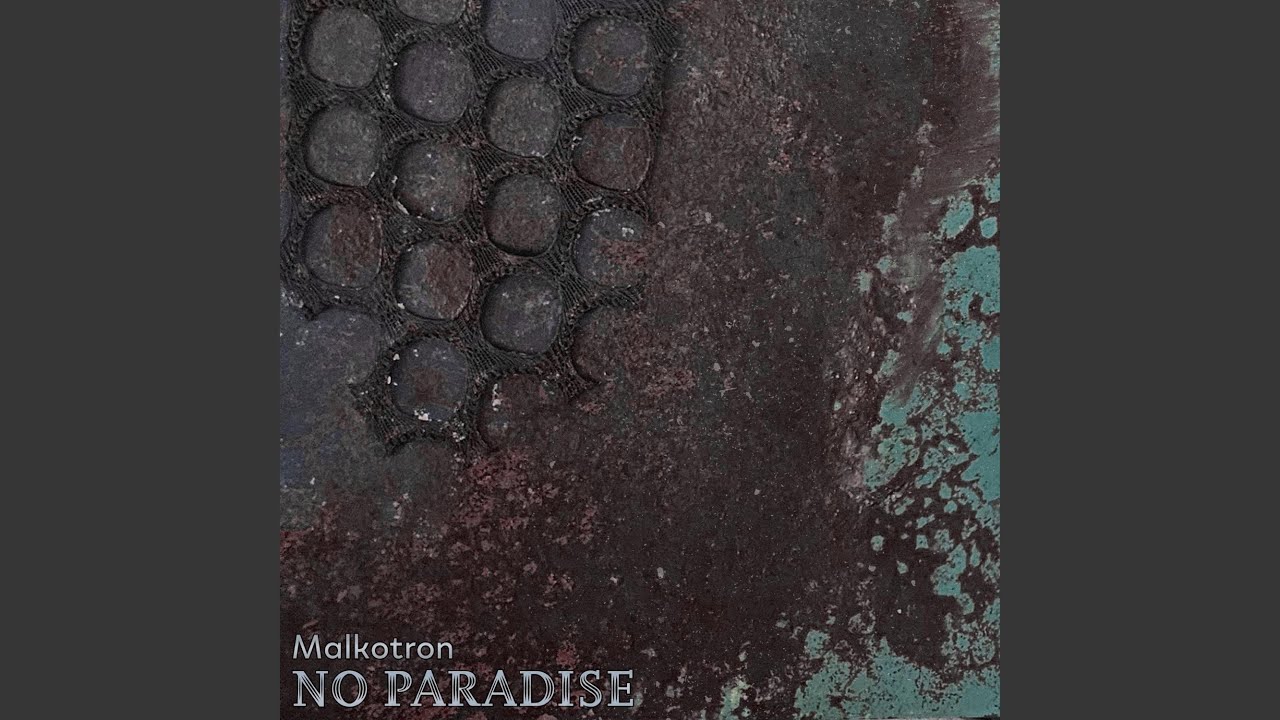
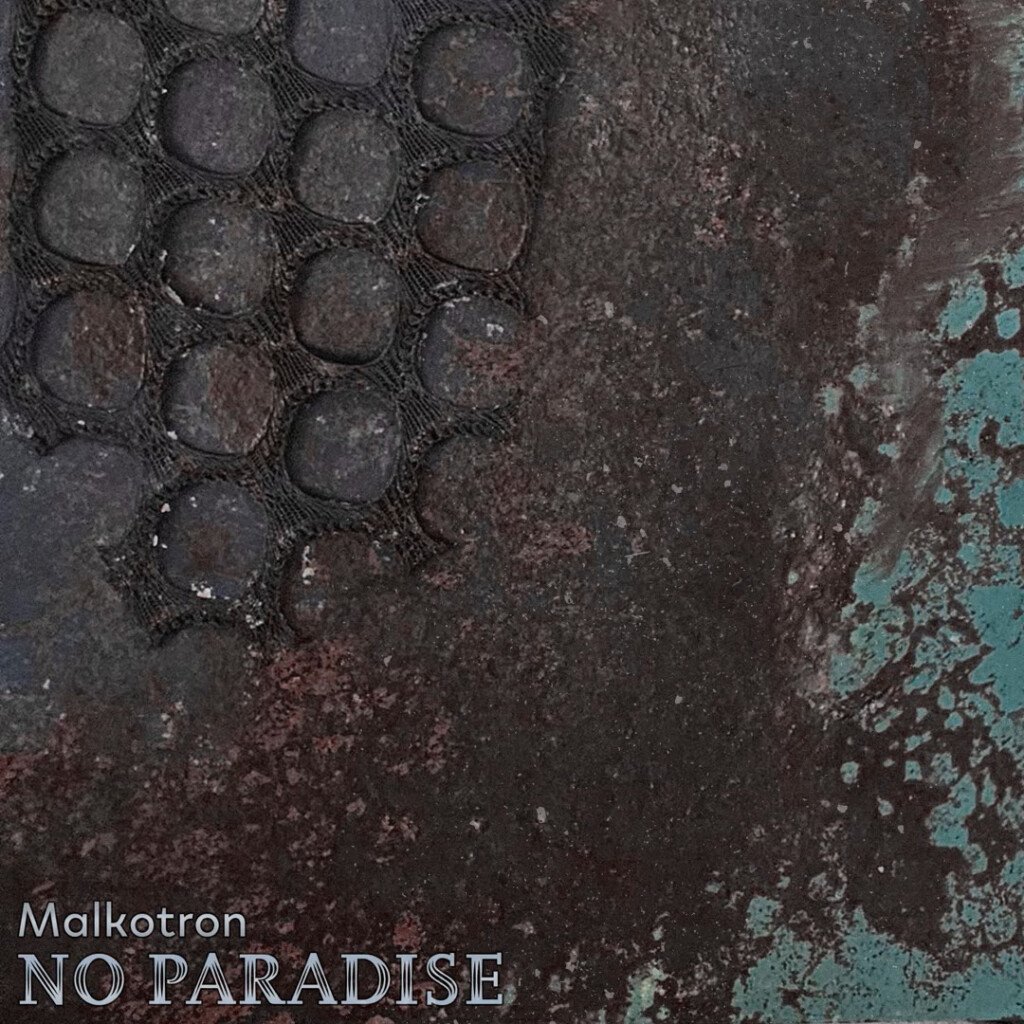
With No Paradise, Houston-based solo progressive rock artist Malkotron crafts an unflinching exploration of depression that feels more like a carefully mapped emotional landscape. Writing, performing, recording, and producing every element himself, Malkotron embraces the classic spirit of progressive rock, where albums unfold as complete experiences rather than disconnected tracks. Influenced by the expansive textures of Pink Floyd, the melodic sophistication of Marillion, and touches of folk introspection, No Paradise channels decades of progressive tradition while confronting deeply personal questions about despair, resilience, and the search for meaning.
The album never romanticizes suffering. Instead, it presents depression in stark, honest terms, examining alienation, helplessness, fractured relationships, and those rare flashes of hope that keep someone moving forward. Every arrangement feels deliberately paced, allowing emotion to breathe while maintaining the cinematic grandeur that progressive rock fans crave. Rich synthesizers, expressive guitar work, atmospheric sound design, and thoughtful lyricism all combine into a record that rewards patient listening.
Opening track “Woeful Dusk” immediately establishes the album’s immersive atmosphere. The soothing rush of flowing water and distant seagulls paints an unexpectedly peaceful natural landscape before heavy piano notes emerge from the silence. Gradually unfolding strings create an almost orchestral introduction, gently pulling listeners into the emotional world of the record with quiet elegance and restrained melancholy.
The transition into “Sleep is Free” deepens that emotional weight. Layers of ambient instrumentation surround the listener while moody guitars drift beneath Malkotron’s slow, weary vocal delivery. As somber drums slowly enter, the song grows heavier without becoming overwhelming. Lyrics like “Sleep is free, sleep the deep dark blue” transform sleep into both refuge and escape, capturing the exhausting cycle of emotional paralysis with haunting simplicity.
Later, “Maybe God Forgot” offers one of the album’s most tender moments. Warm acoustic guitar strums, delicate percussion, and gradually expanding harmonies soften the emotional edges without diminishing their impact. Malkotron sings with quiet vulnerability, reflecting on perseverance, abandonment, and the painful desire to keep believing despite disappointment.
Throughout No Paradise, Malkotron demonstrates remarkable patience as both songwriter and producer. It’s a thoughtful, emotionally resonant progressive rock album that proves sincerity can be every bit as powerful as technical ambition.
STAY IN TOUCH:
INSTAGRAM | X | SPOTIFY | BANDCAMP | TIKTOK | YOUTUBE
Review by: Naomi Joan