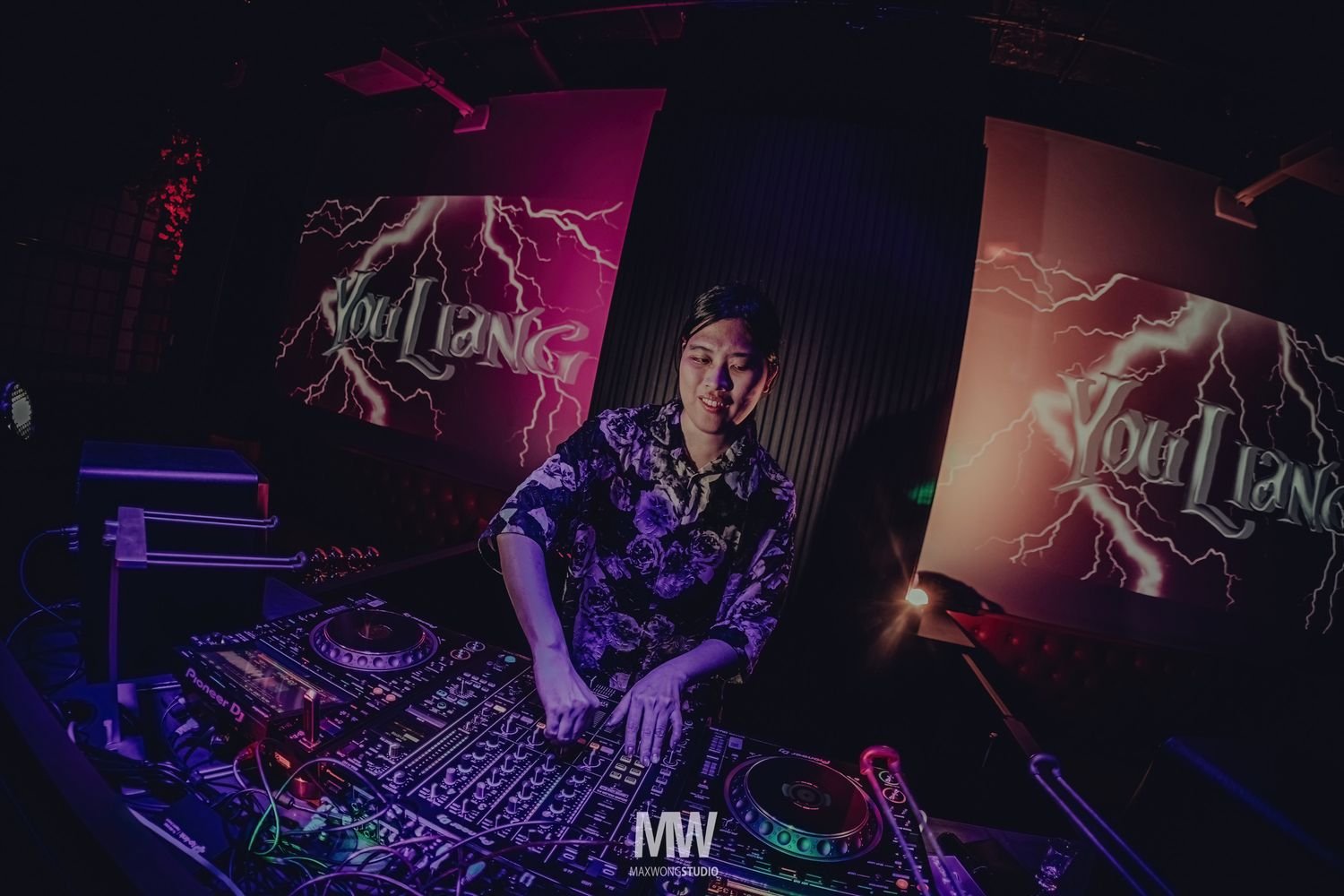
You Liang is a Singapore-born, Tokyo-based piano house artist whose music blends heartfelt songwriting with the groove of the dancefloor. Their journey began in 2014 with piano and acapella, learning to deconstruct songs and reimagine them with a fresh perspective. Before launching their solo career, they wrote J-pop for idol groups and composed game music. This background established their core philosophy: melody and emotion first, rhythm and energy close behind.
This unique duality has taken You Liang from Tokyo clubs to festival stages across the world. Their sound moves seamlessly between euphoric trance, melodic house, and mainstage anthems, resulting in releases on prestigious labels like Smash The House, Black Hole, and Revealed Recordings. Their performances are a reflection of this versatility, blending live elements with a cinematic scale that bridges the gap between studio and stadium. A defining milestone came in 2025, when they were named a Pete Tong DJ Academy Future Talent at IMS Ibiza, further cementing their place on the international stage.
At the heart of every track is a desire to move people. Whether performing their own vocals or producing for collaborators, You Liang aims to capture a specific feeling and turn it into a shared experience. With growing support from the industry’s biggest names, they continue to push the boundaries of dance music. Their signature sound carries through to recent singles like Drifting Away and Not The Same. Check out the exclusive interview below:
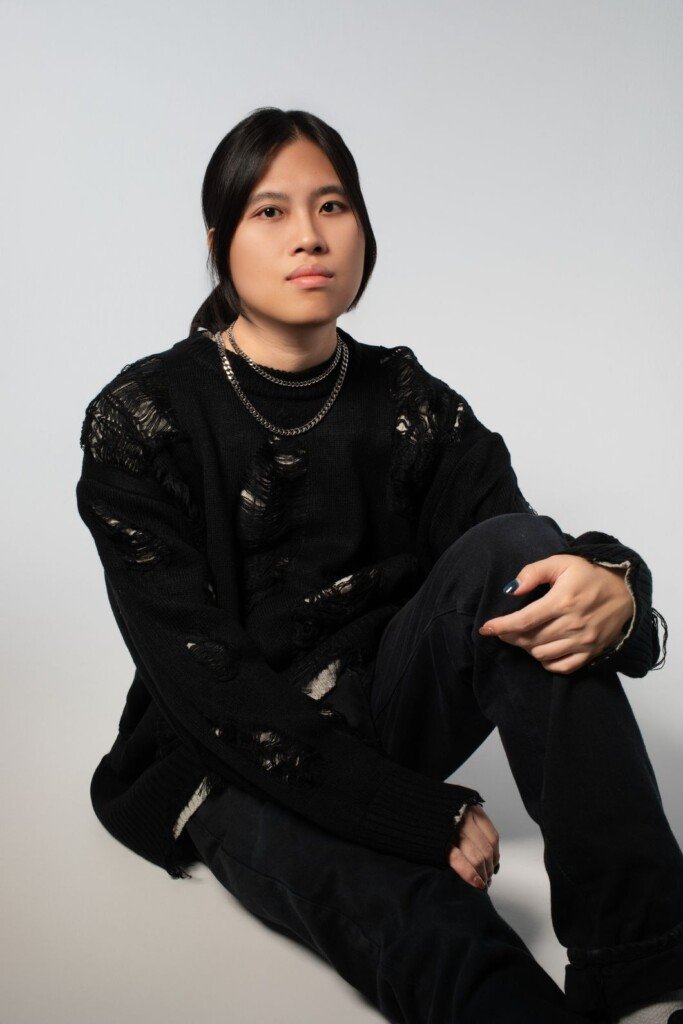
1. Your roots can often shape your journey. Can you share a story or moment from your early life that had a significant impact on your path into music?
You Liang: My relationship with music began before I could even speak properly. My mother used to play songs on cassette tapes to help me learn English, and she would make up simple dances for us to do together. I remember moving along to her choreography while singing, without really understanding the words yet.
Those moments wired me early on to associate music with joy, movement, and connection. That feeling of “moving together” is still at the core of what I try to create on the dance floor today. Even now in the studio, I use that physical response as my benchmark—if a track makes me instinctively get up and move, I know it’s working.
2. Did your musical journey begin with formal training, or was it more of a personal exploration? How has that shaped your unique approach to your craft?
You Liang: My journey began through personal exploration rather than formal training. I didn’t study music academically, but I absorbed a lot simply by listening to my sister’s piano lessons and growing up with rhythm games. My first serious step into music came in 2014 through a cappella, where I learned how voices fit together to create harmony and movement.
That experience taught me to break music down into its emotional and structural components, a habit that still shapes how I produce today. I spent years working behind the scenes on game soundtracks and underground idol projects, which gave me a broad musical foundation. When I launched my solo artist project in 2023, I initially leaned into deeper, more melodic sounds. But playing regularly in busy Tokyo clubs quickly reshaped my approach—watching real crowds respond taught me the importance of energy, momentum, and connection. That real-world feedback is what ultimately led me to the more driving sound I play now.
3. Who were some of the most influential figures in your early musical life, and how did they inspire your sound? Also, what’s the story behind choosing the name ‘You Liang’?
You Liang: My early musical influences came from composers in the rhythm-game world, such as Nhato, kors k, and USAO. What inspired me most was their freedom—they never confined themselves to a single genre, moving effortlessly from house to harder, more intense styles. That openness shaped how I developed as a producer and explains why I never felt tied to one sound early on. I learned that musical identity doesn’t have to be limited to a single lane.
As for the name “YOU LIANG,” it’s simply my real name. My parents gave me the name 佑良, and I chose to keep it. In an industry filled with aliases and alter egos, using my own name felt like the most honest choice. There’s no persona behind it—it’s just who I am.
4. What do you believe sets your music apart? How would you describe your sound to someone discovering you for the first time, and what emotions or experiences do you hope to evoke in your listeners?
You Liang: I’d describe my sound as feel-good Dance-Pop and Piano House. It’s built around summer energy, bright chords, and catchy vocal hooks—music designed to lift people’s spirits. I like blending radio-friendly melodies with the emotional rise and release you’d expect from a festival set, taking listeners on a journey from heartbreak to hope.
What really sets me apart is how I approach live performance. Rather than relying solely on familiar hits, I put a lot of trust in my own music and in the crowd’s openness. I regularly play a large amount of my own original material, including new and unreleased tracks, and I’ve learned that if the groove and emotion are right, people will connect—even if they’re hearing the song for the first time. That moment of shared discovery is something I value deeply.
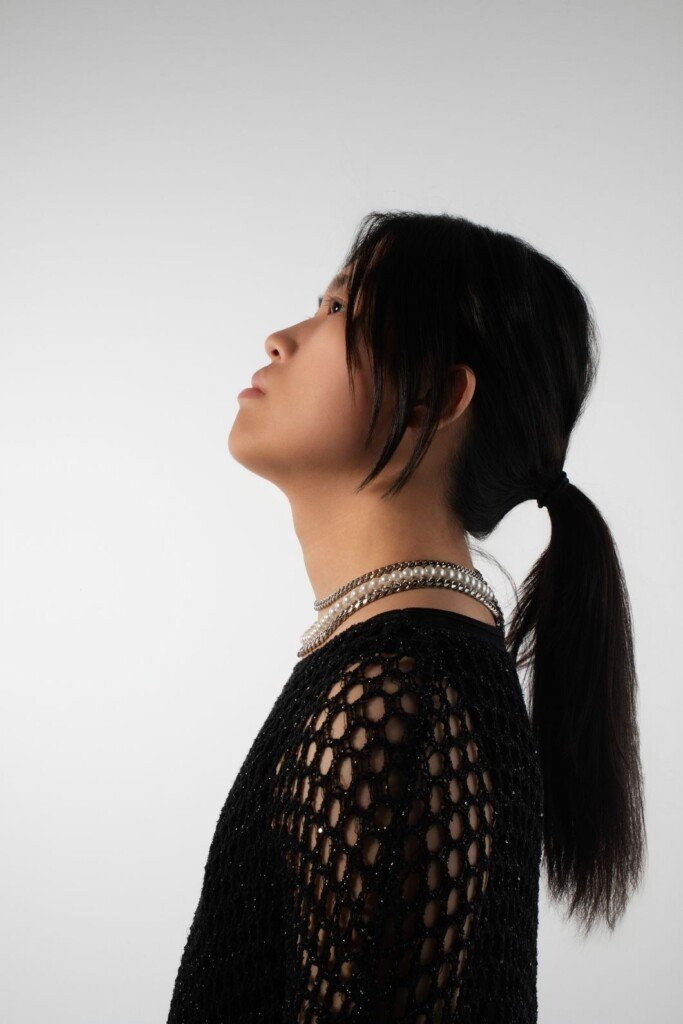
5. For most artists, originality is first preceded by a phase of learning and, often, emulating others. What was this like for you? How would you describe your own development as an artist and music maker, and the transition towards your own style, which is known as EDM?
You Liang: Emulation was a crucial training ground for me. Early on, I spent a lot of time trying to capture the high-speed, high-intensity energy of hardcore music. It taught me how to build momentum and emotional impact. Later, while working in the underground idol scene, I shifted toward J-Pop and J-Rock, learning how to shape music around specific identities and moods.
That period gave me a lot of versatility, but eventually I felt the need to step out of other people’s shadows. Moving into my current Piano House–driven sound felt like a natural synthesis of melody and energy. The hardcore influence is still part of me—it comes out in moments of raw intensity during my sets—but my focus now is on a sound that feels emotionally expressive and unmistakably my own.
6. Music often transcends entertainment. What’s your view on the role and function of music as political, cultural, spiritual, and/or social vehicles – and do you try and affront any of these themes in your work, or are you purely interested in music as an expression of technical artistry, personal narrative, and entertainment?
You Liang: For me, music is primarily a spiritual and emotional vehicle. I believe music should exist beyond politics, because it transcends language and brings people together. If there were ever a medium capable of fostering world peace, it would be music.
I’m not interested in technical complexity for its own sake. My focus is on personal narrative and emotional honesty. I write lyrics about universal human experiences—love, heartbreak, and overcoming difficulties. Living in Japan as a Singapore-born artist, I’ve seen how these themes can bridge cultural gaps almost instantly. If my music can lift someone’s mood or help them process a heartbreak, that, to me, is the true purpose of my art.
7. Do you feel the rewards of your musical career match the energy and passion you invest in it, or are there different kinds of fulfillment you’re still seeking?
You Liang: The emotional rewards absolutely match the energy I put in. My strongest listener bases are in the U.S. and Indonesia, and it’s incredibly validating to perform abroad and see people show up specifically to see me.
That said, there is still a different kind of fulfillment I’m chasing: playing on the world’s biggest stages. Having my music supported by top DJs like Don Diablo is deeply validating, but I’ve learned that it doesn’t automatically translate into bookings. To truly open those doors, I need to grow my audience. My goal is to build my Spotify monthly listeners from 20,000 to 200,000, which I see as a turning point toward opportunities like major festival stages, including Tomorrowland.
8. Can you walk us through your creative process?
From the first spark of an idea to the finished track, what’s the most essential part of your process, and how do collaboration or external influences shape your work?
You Liang: My creative process almost always begins with melody and chord progression. Even when I’m working on groove-driven styles like Tech House, the emotional hook has to come first. If the melody doesn’t move me, I don’t push the idea any further.
Collaboration often reshapes a track in unexpected ways. A good example is my song “Drifting Away.” I initially wrote the instrumental with a mood inspired by The Chainsmokers’ “Closer,” but when Jordan Grace came in, his vocal approach completely redefined the song and ultimately gave it both its direction and title.
The final step is what I think of as a real-world test. I regularly play new, unreleased material in my sets, and the dancefloor gives instant, honest feedback. If people connect and move naturally, I know the track has found its final form.
9. What’s been the most challenging hurdle in either your personal life or music career, and how has it shaped you as an artist?
You Liang: Balancing a demanding career in the tech sector alongside a professional music career has always been a logistical challenge. But the most difficult hurdle has been internal—moving through periods of deep emotional struggle.
That experience shaped me as an artist in a very direct way. It pushed me toward creating music that feels light, uplifting, and hopeful. At the same time, it’s not always easy. When I’m going through a low period, I sometimes find it genuinely difficult to write happy music on demand. There have been moments when labels reached out for new demos and I simply wasn’t in the right headspace to deliver immediately.
I’ve learned to accept that process. It takes time, but I do find my way back. And when I do, the music feels more honest—because it comes from having moved through something real rather than forcing a mood that isn’t there.
10. On the flip side, what moment or achievement in your career so far has made you feel the proudest, and why? And let’s talk about your latest release and future plans.
You Liang: One of the proudest moments in my career so far was performing on a mainstage at It’s The Ship. More recently, having my track “Maybe Tonight” supported by Don Diablo on Hexagon Radio was deeply meaningful. He played the track while it was still unsigned and unreleased, and then featured it again in his year-end mix. Being recognized twice, especially by an artist I’ve looked up to for years, felt like a genuine full-circle moment.
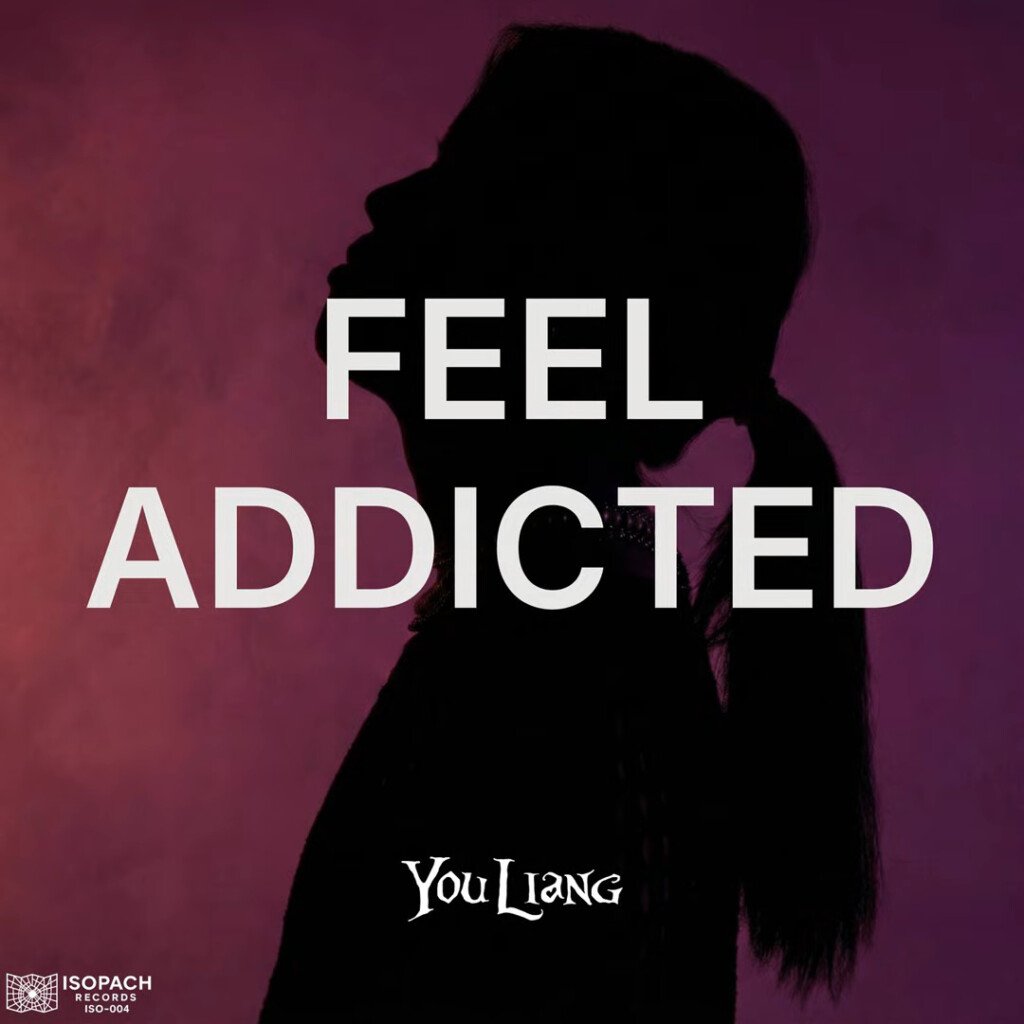
Looking ahead, I’m entering a very focused and productive phase. I’ve committed to releasing new music consistently, building on a monthly release rhythm I’ve maintained since 2024. My next release, “Feel Addicted,” arrives on January 16th—a Latin-influenced sax house track with Afro-accented English vocals. It’s a love song at its core, designed to feel warm, rhythmic, and immediate.
Beyond releases, I’m continuing to expand internationally, with key showcases and events lined up throughout the year. My goal moving forward is simple: to keep growing my audience through consistent music, strong live performances, and songs that connect emotionally the moment they’re heard.
11. Creative work in a studio or home environment, or interaction with a live audience? Which of these two options excites you most, and why?
You Liang: Interaction with a live audience excites me far more. The studio is where I put energy into the music, but the stage is where that energy comes back to me.
The studio can be a solitary and highly analytical space. But the moment I step onto a stage—whether it’s a club in Tokyo or a festival setting—everything becomes immediate and honest. You can’t fake a crowd’s reaction. Seeing people connect with a melody I once wrote alone in my room, watching them move, sing along, or react in unison, is incredibly powerful. That shared energy is ultimately why I make music.
12. Do you think is it important for fans of your music to understand the real story and message driving each of your songs, or do you think everyone should be free to interpret your songs in their own personal way?
You Liang: Once a song is released, it stops belonging to me and starts belonging to the listener. While every track I write comes from a very personal place—often a specific heartbreak or a moment of hope—I don’t feel the need for listeners to know the exact details in order to connect with it.
If I write a song about a breakup and someone connects with it through a completely different experience—grief, change, or even a feeling of freedom—that’s a success to me. I want people to interpret the music in whatever way helps them most. The story may be mine, but the feeling is theirs.

STAY IN TOUCH:
FACEBOOK | INSTAGRAM | X | SPOTIFY | TIKTOK | WEBSITE | YOUTUBE
Review by: Naomi Joan