
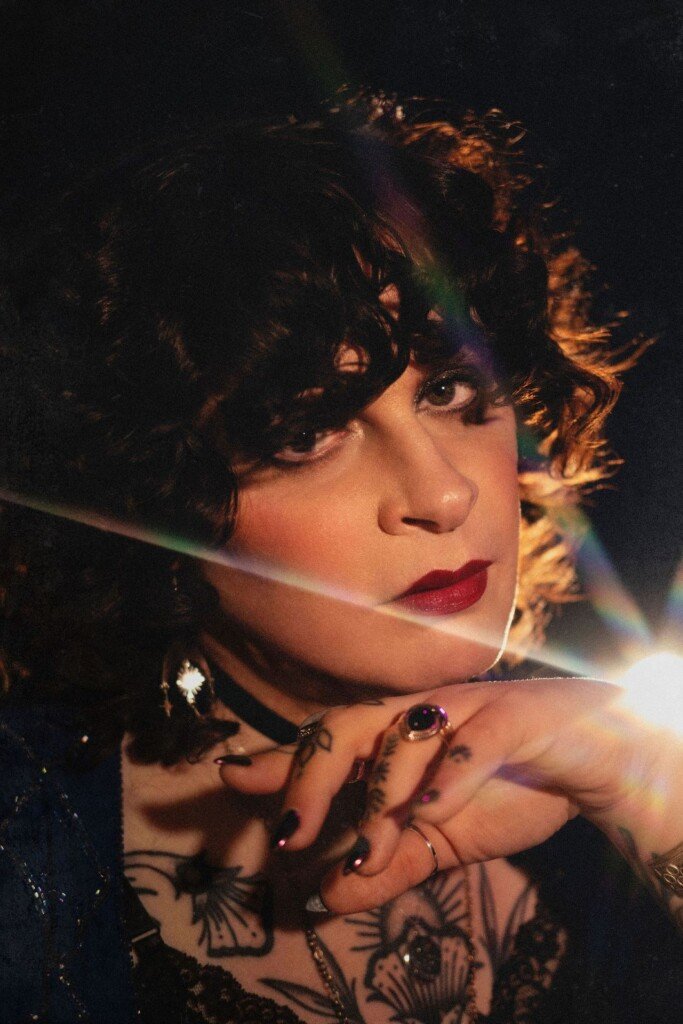
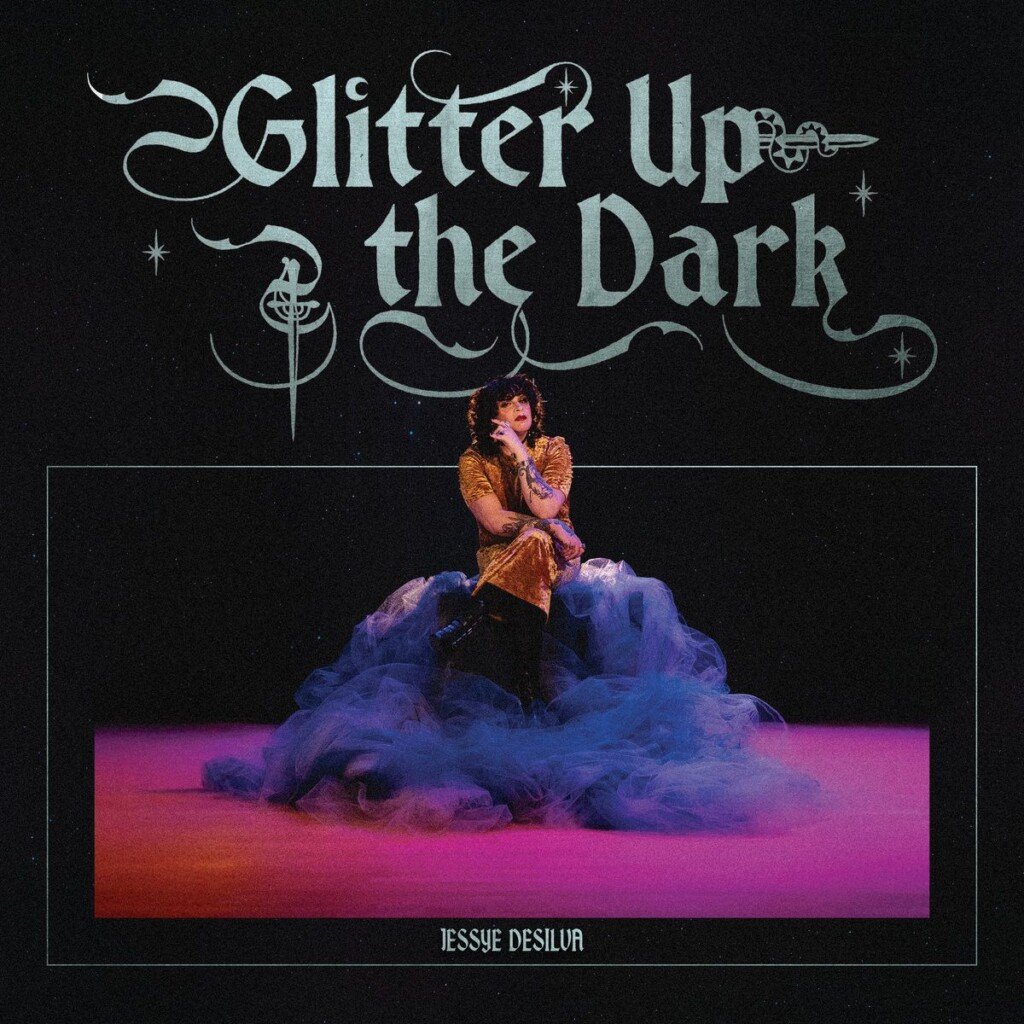
Jessye DeSilva’s “Glitter Up the Dark”, released on April 3, 2026, is described as a timely and nuanced album exploring queer and trans joy as a tool for resilience and survival. According to the press materials, the Boston-based singer-songwriter wrote and recorded the album with producer Aaron Lee Tasjan, crafting a project that reflects her personal journey as a trans woman while integrating influences from her musical past, including Nineties alternative, Lilith Fair-era songwriters, and rock and Americana traditions. The album features collaborations with Butch Walker, Adia Victoria, and LaFemmeBear, highlighting a breadth of musical styles and perspectives.
The production is reported to balance energetic rock and pop elements with intimate, reflective moments. Tracks like “Punk Rock Joy” are framed as Nineties-inspired rockers, while “Jar of Fireflies” is described as alt-pop and “Forever in Drag” as a Quiet Storm-style ballad, demonstrating a wide stylistic range. Instrumentation and arrangements are intended to amplify both sonic diversity and the emotional core of the songs, creating a project that moves between celebration, reflection, and storytelling.
Vocally, DeSilva is noted for expressive, nuanced performances that convey both personal history and communal themes. Many tracks reportedly revisit memories and relationships from her adolescence, framing the album as a conversation between her past, present, and future selves. Lyrically, “Glitter Up the Dark” focuses on joy as both personal and political – a statement on resilience and self-affirmation in the face of societal pressures and the criminalization of queer expression.
“Glitter Up the Dark” is said to present itself as a fully realized, genre-spanning record that combines emotional honesty, musical breadth, and cultural resonance. The album positions Jessye DeSilva as an artist exploring identity, memory, and community through an ambitious, deeply personal lens.
STAY IN TOUCH:
INSTAGRAM | SPOTIFY | BANDCAMP | WEBSITE | YOUTUBE | FACEBOOK | X
Review by: Frank Donavan