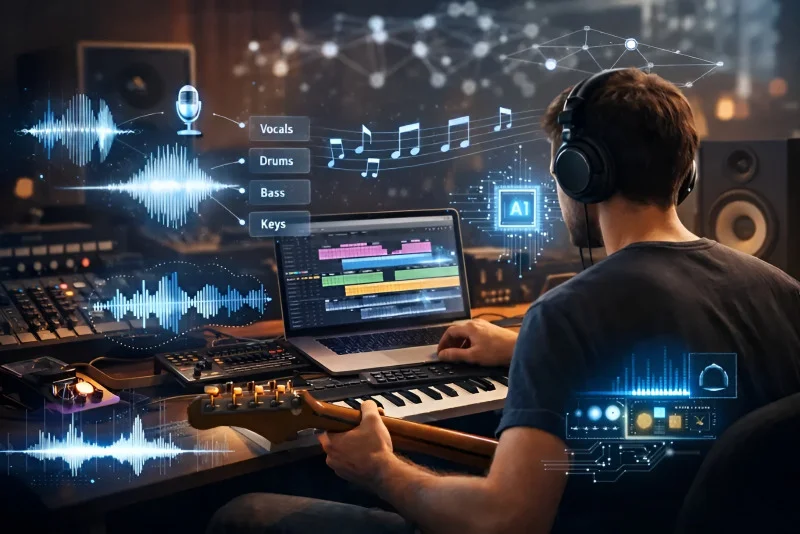
Independent artists today are not only releasing music. They are also expected to create a steady stream of visual content around every single, teaser, chorus, performance clip, and social campaign. A song may be the center of the release, but the way it appears on TikTok, Instagram Reels, YouTube Shorts, and fan pages often shapes how quickly people notice it.
For major artists, building a visual campaign usually means hiring a video team, planning a shoot, booking locations, editing multiple versions, and creating promotional clips for different platforms. For independent musicians, that process can be expensive and slow. Many artists have the sound, the story, and the audience, but not the budget or time to create a full music video for every release.
This is why AI visual tools are becoming more useful in music promotion. They do not replace the creative identity of an artist, but they can help musicians turn existing assets into video content much faster. A press photo, cover image, character artwork, or simple portrait can become the starting point for short-form visual storytelling.
The New Pressure on Independent Artists
Music promotion has changed. A single release is no longer supported by one official video and a few photos. Artists now need multiple pieces of content before and after a song is released. These might include preview clips, lyric sections, visualizers, short performance-style videos, behind-the-scenes posts, and campaign edits.
The challenge is that every platform has its own rhythm. A YouTube audience may expect a polished visualizer or full music video. TikTok may reward a short emotional moment from the chorus. Instagram might work better with portrait-style visuals or behind-the-song storytelling. The same song often needs several different visual formats.
For independent musicians, this creates a practical problem. Creating more visual content can help a release grow, but producing that content manually can take too much time. AI tools are helping close that gap by making it easier to create simple, expressive, music-driven videos from assets artists already have.
Why Photos Are Becoming More Valuable
Most artists already have visual material: a profile photo, cover artwork, a concert image, a digital character, or a mood board for the song. Traditionally, these assets were used as static posts. They could support a release, but they could not carry much motion or performance energy on their own.
AI changes that. A still image can now become part of a moving visual. The image does not need to be treated as a flat promotional graphic. It can become a character, a singer, a narrator, or a visual anchor for the track.
Platforms such as VibeMe AI show how this kind of workflow can help artists move from static visuals to more expressive music-driven content. Instead of starting every video from scratch, creators can use existing images, songs, and ideas as the foundation for short promotional clips, visualizers, and social posts.
This is especially useful for artists who want to keep a consistent visual identity. A cover image or artist portrait can appear across multiple clips, helping fans recognize the release more quickly. Instead of creating unrelated visuals for every platform, musicians can build a more connected campaign around the same visual style.
From One Song to Multiple Content Pieces
One of the strongest uses of AI visual tools is not making one perfect video. It is creating several useful pieces of content from the same song. A single track can become a full visualizer, a chorus clip, a teaser, a lyric-focused post, or a short animated portrait.
An independent artist might use this workflow to create:
- A short teaser before release day
- A chorus clip for TikTok or Reels
- A singing portrait based on cover art
- A lyric-style visual for the hook
- A vertical video for social media
- A longer visualizer for YouTube
This approach makes music promotion more flexible. Instead of waiting until a full video is finished, artists can start sharing visual content earlier. That helps test which parts of the song connect with listeners, which visual style feels strongest, and which clips are worth promoting further.
AI Does Not Remove the Artist’s Taste
AI tools are helpful, but they still need direction. The artist has to decide what the song feels like, what visual mood fits the release, and how the final clip should represent the music. A dark acoustic track needs a different visual approach from an energetic dance song. A personal ballad should not look like a product ad. A fan-facing teaser should feel different from a polished official visualizer.
The best results come when artists treat AI as part of the creative process, not as a replacement for it. The tool can help generate motion, expression, and structure, but the artist still chooses the image, the emotion, the pacing, and the message.
This is important because music fans can quickly tell when content feels empty. A clip does not need a large budget, but it should feel connected to the artist. AI is most useful when it helps communicate something real about the song.
Making Music Promotion More Accessible
For many independent musicians, the biggest benefit of AI visual tools is accessibility. Not every artist has video editing experience. Not every band can hire a production team. Not every release needs a large-scale shoot. Sometimes the best move is to create a simple, memorable clip that can be shared quickly.
AI tools make that possible for more artists. They allow musicians to experiment with visuals before committing to bigger production decisions. They also make it easier to keep promoting a song after release day, when many artists run out of new content to share.
This does not mean traditional music videos will disappear. Full productions, live sessions, cinematic shoots, and director-led videos will always matter. But AI gives artists another layer of creative control, especially when they need fast, affordable, and repeatable content.
The Future of Independent Music Visuals
The future of music promotion will likely be more visual, not less. Songs need artwork, clips, teasers, short videos, and platform-specific edits. Independent artists who can create strong visual content consistently will have more ways to reach listeners.
AI will not solve every creative challenge, but it can remove some of the production barriers that have kept smaller artists from competing visually. A good song still needs emotion, identity, and a clear point of view. AI simply gives more artists the ability to express those ideas through video.
For independent musicians, that shift matters. It means a photo does not have to stay still. A song does not have to wait for a full shoot. A release campaign can begin with the assets an artist already has, then grow into something more dynamic, expressive, and shareable.
#This is a Contributor Post. Opinions expressed here are opinions of the Contributor. Illustrate Magazine does not endorse or review brands mentioned; does not and cannot investigate relationships with brands, products, and people mentioned and is up to the Contributor to disclose. Contributors, amongst other accounts and articles may be professional fee-based.#