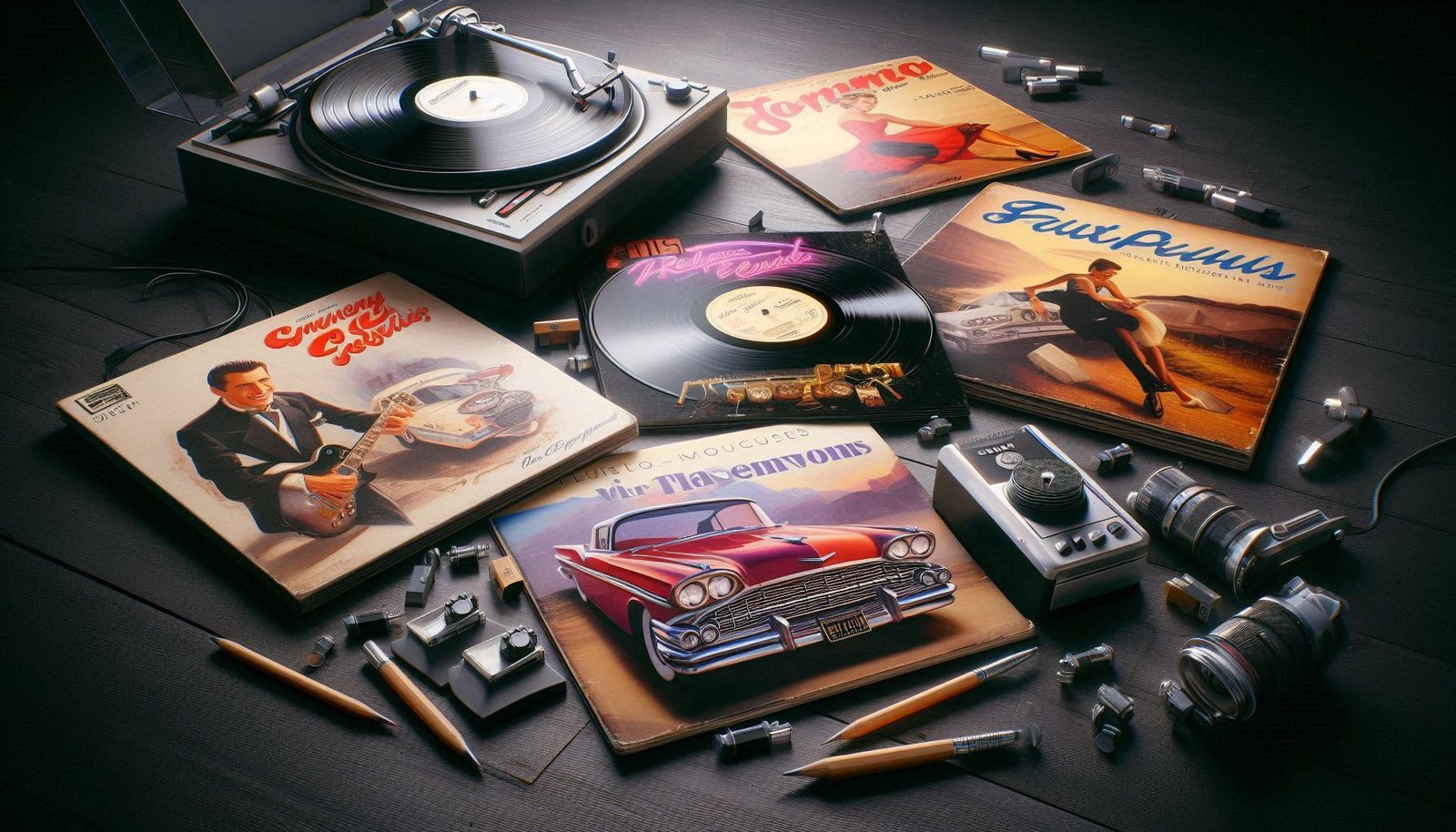


The 1970s were an explosive decade for music, a time when artists pushed boundaries, defied norms, and laid the groundwork for genres that would dominate for decades to come. It was a time of cultural shifts, political unrest, and technological advancements that helped music reach unprecedented heights. From the rise of disco and punk to the solidification of rock, soul, and funk, the ‘70s left an indelible mark on the music world.
In this article, we’ll take a deep dive into the albums that not only defined the sound of the 1970s but also shaped the future of music. These groundbreaking records, spanning various genres, reflect the experimentation and innovation that made the decade so unforgettable. Whether you’re a music lover, an audiophile, or just curious about the sounds that rocked the world 50 years ago, this list has something for everyone. Buckle up—this is a musical ride you won’t want to miss.
1. Pink Floyd – The Dark Side of the Moon (1973)
It’s impossible to talk about the 1970s without mentioning The Dark Side of the Moon. Pink Floyd’s masterpiece is more than just an album—it’s an experience. Released in 1973, this concept album combines psychedelic rock with philosophical lyrics about life, death, and everything in between. With its innovative use of synthesizers, sound effects, and studio experimentation, it pushed the boundaries of what rock music could be.
Why it mattered:
The Dark Side of the Moon was a commercial and critical success, staying on the Billboard charts for a record-breaking 741 weeks. It showed that music could be both artistic and commercially viable, paving the way for future concept albums.
Legacy:
This album influenced countless artists across genres, from Radiohead to Kanye West. Its atmospheric soundscapes and existential themes are still relevant, making it a staple in rock history.
2. Stevie Wonder – Songs in the Key of Life (1976)
When it comes to sheer talent and ambition, few can match Stevie Wonder’s Songs in the Key of Life. Released in 1976, this double album is a tour de force of funk, soul, jazz, and pop. Wonder used his incredible musicianship to explore themes of love, race, politics, and spirituality.
Why it mattered:
The album showcased Wonder’s ability to blend social commentary with musical innovation, from the funky groove of “Sir Duke” to the heartfelt ballad “Isn’t She Lovely.” It was a defining moment not just for Wonder, but for soul music as a whole.
Legacy:
This record is still regarded as one of the best albums of all time. Its influence can be seen in modern R&B and hip-hop, with artists like Beyoncé and Kendrick Lamar citing Stevie Wonder as a major influence.
3. David Bowie – The Rise and Fall of Ziggy Stardust and the Spiders from Mars (1972)
David Bowie wasn’t just a musician—he was a cultural icon, and The Rise and Fall of Ziggy Stardust is one of the reasons why. Released in 1972, this concept album introduced the world to Bowie’s alter ego, Ziggy Stardust, a flamboyant, androgynous rock star from outer space. The album mixes glam rock with science fiction themes, creating a sound that was ahead of its time.
Why it mattered:
Bowie’s ability to reinvent himself, both musically and visually, set him apart from other artists. The album challenged traditional notions of gender, identity, and what it meant to be a rock star.
Legacy:
Ziggy Stardust inspired a new generation of musicians and artists, including punk, new wave, and alternative rock bands. Bowie’s theatrical style and genre-blurring approach have left a lasting impact on music and fashion.
4. Fleetwood Mac – Rumours (1977)
One of the best-selling albums of all time, Fleetwood Mac’s Rumours is the epitome of 1970s rock. Released in 1977, the album is packed with hits like “Go Your Own Way,” “Dreams,” and “The Chain.” Behind the scenes, the band was falling apart—affairs, breakups, and personal drama threatened to derail the recording process. Somehow, out of that chaos came an album that defined an era.
Why it mattered:
Rumours struck a chord with listeners because of its raw emotional honesty. The band’s personal struggles were laid bare in the lyrics, making the album relatable and timeless.
Legacy:
Fleetwood Mac’s influence extends far beyond the ‘70s. Rumours has inspired artists across genres, from pop stars like Taylor Swift to indie rock bands like Haim.
5. The Clash – London Calling (1979)
Punk rock took the world by storm in the late 1970s, and The Clash’s London Calling is often considered one of the genre’s most important albums. Released in 1979, the album blends punk’s raw energy with elements of reggae, rockabilly, and ska. The title track became an anthem for a generation of disillusioned youth, while songs like “Train in Vain” and “Spanish Bombs” showed the band’s willingness to experiment with different styles.
Why it mattered:
London Calling broke down the barriers of what punk rock could be. It wasn’t just about fast, aggressive music—it was about rebellion, questioning authority, and exploring new sounds.
Legacy:
The Clash’s influence on punk, alternative rock, and even pop music is undeniable. Bands like Green Day, Rancid, and even U2 have cited London Calling as a major influence on their work.
6. Marvin Gaye – What’s Going On (1971)
Marvin Gaye’s What’s Going On isn’t just an album—it’s a protest, a social commentary, and a work of art. Released in 1971, it marked a dramatic shift for Gaye, who moved away from Motown’s traditional love songs to address issues like war, poverty, and racism. With its smooth, soulful sound and heartfelt lyrics, the album became a rallying cry for change during a tumultuous time in American history.
Why it mattered:
Gaye took a huge risk with What’s Going On, but it paid off. The album showed that music could be a powerful tool for social change, addressing the issues of the day in a way that resonated with listeners.
Legacy:
The themes of What’s Going On are just as relevant today as they were in the 1970s. The album has influenced countless artists, from soul legends like Stevie Wonder to modern-day R&B and hip-hop artists like John Legend and Kendrick Lamar.
7. Led Zeppelin – Led Zeppelin IV (1971)
You can’t talk about the 1970s without mentioning Led Zeppelin. Their fourth album, often referred to as Led Zeppelin IV, is a classic rock staple. Released in 1971, the album includes some of the band’s most iconic tracks, including “Stairway to Heaven,” “Black Dog,” and “Rock and Roll.” Zeppelin’s unique blend of hard rock, blues, and folk set them apart from other bands of the time.
Why it mattered:
Led Zeppelin’s ability to mix different genres, from heavy blues riffs to acoustic ballads, made them one of the most innovative rock bands of the decade. Led Zeppelin IV was a huge commercial success, cementing the band’s place in rock history.
Legacy:
Led Zeppelin’s influence can be heard in virtually every rock band that came after them. From metal to grunge, their legacy is everywhere. Stairway to Heaven remains one of the most iconic rock songs of all time.
8. Donna Summer – Bad Girls (1979)
Disco dominated the late 1970s, and no one embodied the genre quite like Donna Summer. Released in 1979, Bad Girls was a double album that combined disco with elements of rock, pop, and R&B. With hits like “Hot Stuff” and “Bad Girls,” Summer became the queen of disco, bringing the genre to mainstream audiences around the world.
Why it mattered:
Bad Girls showed that disco could be more than just dance music—it could have substance and depth. Summer’s powerful vocals and the album’s polished production helped elevate disco from the clubs to the top of the charts.
Legacy:
While disco may have faded in the 1980s, its influence is still felt today. Artists like Beyoncé, Lady Gaga, and Dua Lipa have drawn inspiration from disco, proving that the genre is far from dead.
9. Bob Marley and the Wailers – Exodus (1977)
Reggae became a global phenomenon in the 1970s, thanks in large part to Bob Marley and the Wailers. Exodus, released in 1977, is widely regarded as one of Marley’s best albums. With songs like “One Love,” “Jamming,” and “Three Little Birds,” the album blends reggae rhythms with political and spiritual messages, making it both a danceable and thought-provoking record.
Why it mattered:
Exodus introduced reggae to a global audience and solidified Marley’s status as a cultural icon. His music was a powerful tool for spreading messages of peace, love, and unity.
Legacy:
Bob Marley’s influence extends far beyond reggae. His music has inspired artists across genres, and his message of unity continues to resonate with audiences around the world.
10. The Eagles – Hotel California (1976)
The Eagles’ Hotel California is a quintessential 1970s album, blending rock, country, and folk influences into one of the most iconic records of the decade. Released in 1976, the album’s title track became an instant classic, with its haunting lyrics and unforgettable guitar solo. Other hits like “New Kid in Town” and “Life in the Fast Lane” helped cement the Eagles’ place in rock history.
Why it mattered:
Hotel California captured the spirit of the 1970s, with its themes of excess, disillusionment, and the search for meaning in a rapidly changing world.
Legacy:
The album has remained a classic, influencing generations of rock musicians. Its smooth blend of rock and country helped pave the way for the genre-blurring music of the 1980s and beyond.
Conclusion
The 1970s were a transformative decade for music, and these albums played a pivotal role in shaping the sounds that would come to define not just the era, but future generations of artists. From the experimental sounds of Pink Floyd and David Bowie to the cultural impact of Marvin Gaye and Bob Marley, these records are more than just music—they’re snapshots of a moment in time, capturing the spirit, struggles, and dreams of a generation.
For those who lived through the ‘70s, these albums offer a nostalgic trip down memory lane. For younger generations, they’re a gateway to understanding the roots of modern music. Either way, one thing’s for sure—the music of the 1970s will never go out of style. So, whether you’re rediscovering these classics or hearing them for the first time, turn up the volume and let the sound of the ‘70s take you on a journey you won’t forget.
