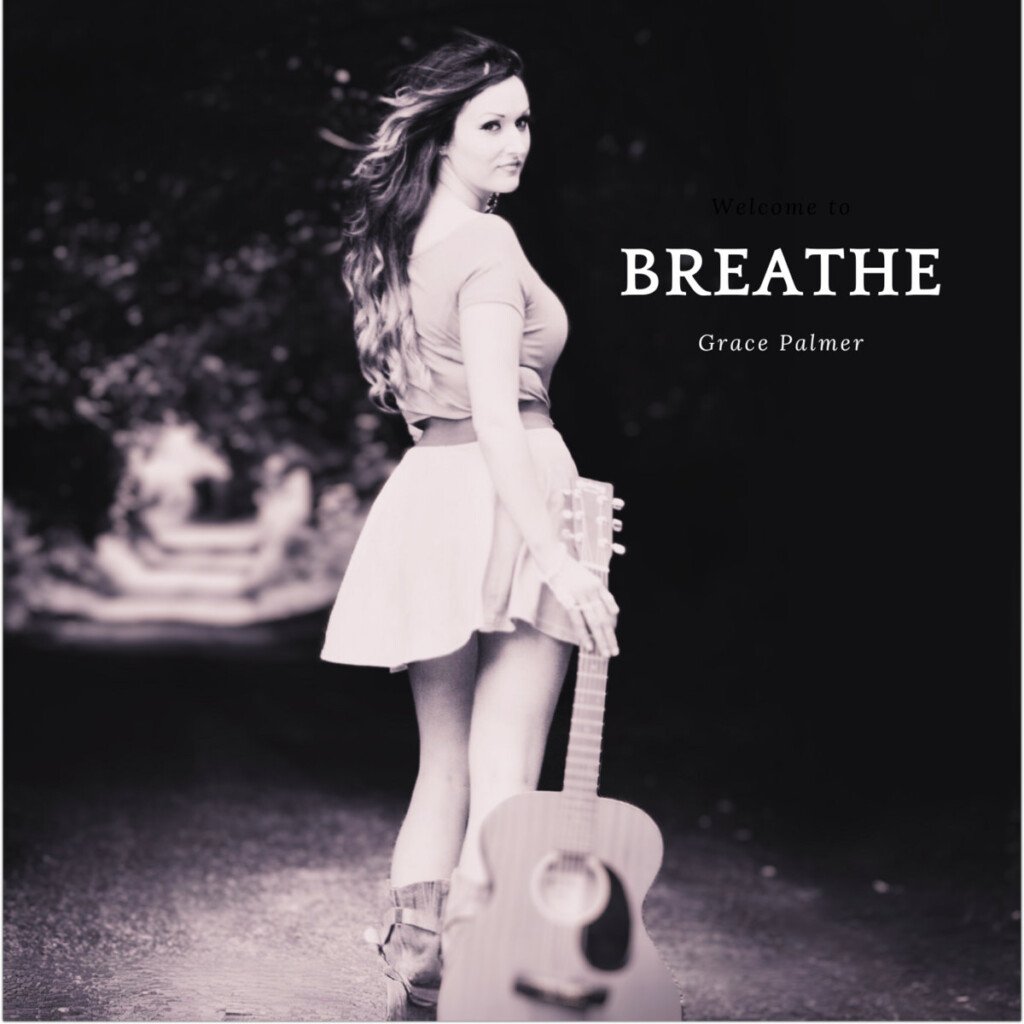
With influences drawn from introspective country music addressing mental health, Grace Palmer’s “Breathe” stands out for its raw emotion and relatable themes. The recording, overseen by Scott Ralph in a studio in Stoke on Trent, captures Grace’s authentic sound and heartfelt lyrics. Reflecting on her own battles with anxiety and self-expectations, Grace crafted a song that speaks to the universal experience of overcoming inner turmoil. Through “Breathe,” Grace Palmer delivers a compelling narrative of healing and hope, offering solace to those grappling with mental health challenges. Grace’s music resonates with audiences seeking comfort and connection in her soulful melodies. Check out the exclusive interview below:
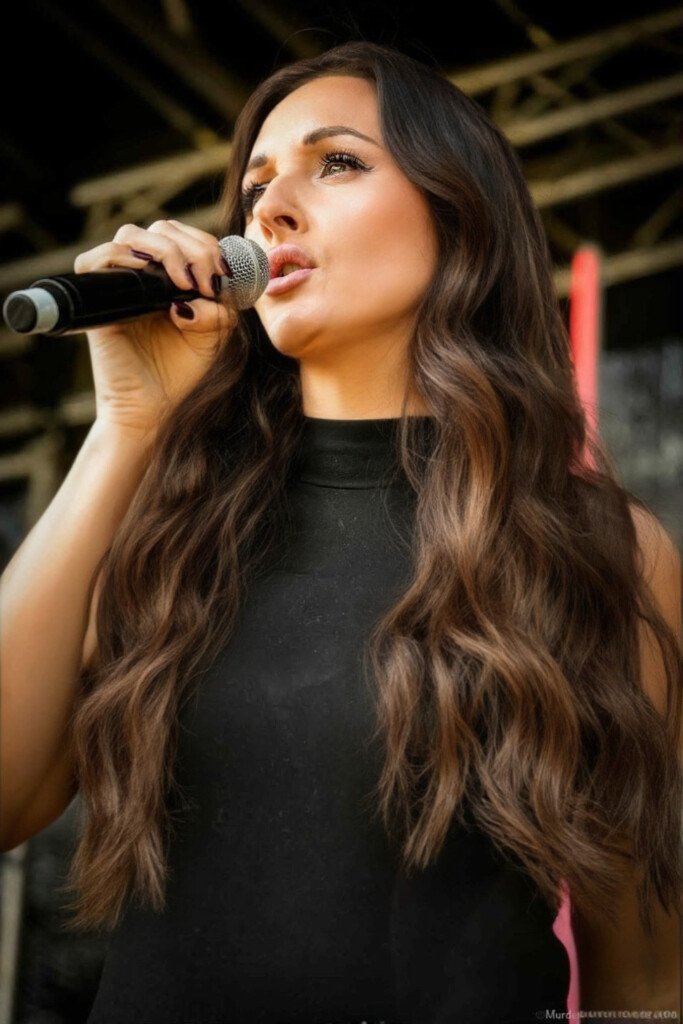
1. Your roots can often shape your journey. Can you share a story or moment from your early life that had a significant impact on your path into music?
Grace Palmer: I’ve been singing since I could barely talk – I used to sit on the swing in our garden every night as a little girl, just singing my heart out. When I was six or seven, I made a little band with my friends, and I remember being obsessed with Crystal Gayle, and Elkie Brooks. I’d stand in my bedroom mirror pretending to be her, singing along to her records. But the moment that really changed everything was at a family wedding when I was about 11 years old. I got up to the karaoke and sang a Whitney Houston song, and everyone just went quiet – but in a good way. People were genuinely blown away. That’s when my family realized this wasn’t just a childhood phase, and they got me proper singing lessons. That wedding performance was the first time I truly felt the power of what music could do to a room full of people.
2. Who were some of the most influential figures in your early musical life, and how did they inspire your sound? Also, what’s the story behind choosing the name ‘Grace Palmer’?
Grace Palmer: Crystal Gayle was my first obsession as a child, but in my 30’s I fell in love with Bonnie Raitt, Linda Ronstadt, Joni Mitchell, and Carole King – these incredible women who could tell stories and make you feel everything. I also adore Adele and Taylor Swift, Dolly Parton, plus loads of country and Americana artists. These women taught me that vulnerability is strength in music. As for the name – Grace Palmer is actually my real name! I desperately wanted a stage name at one point, but I’d already set up streaming accounts which you can’t change! Sometimes God makes the decision for you.
3. What do you believe sets your music apart? How would you describe your sound to someone discovering you for the first time, and what emotions or experiences do you hope to evoke in your listeners?
Grace Palmer: I’d describe my sound as pop-country hybrid with a British twist – imagine if someone from Birmingham tried to channel Tennessee vibes! Some of my songs are quite poppy, others lean more country with slide guitar, but they’re all deeply personal. I’m not trying to be the next anyone – I’m just trying to be the first me. What sets me apart is probably my honesty. I write about exactly what I’m going through – mental health struggles, love, heartbreak, losing my mum.
But what I want listeners to feel is simply something – anything. If they don’t feel anything, then my music isn’t right for them, and that’s okay. But I’m confident there are people out there who will listen and be moved.
4. For most artists, originality is first preceded by a phase of learning and, often, emulating others. What was this like for you? How would you describe your own development as an artist and music maker, and the transition towards your own style, which is known as COUNTRY POP?
Grace Palmer: I may have emulated others when I was very young, but I have always just wanted to be myself.
My first release was “I Don’t Wanna Know,” which was quite poppy, but then I really thought about what I enjoyed most musically. I realized I was drawn to that country-pop hybrid sound. Being from Birmingham rather than Tennessee gives it a unique flavor though.
My development has been about learning to trust my instincts and write from the heart rather than what I think people want to hear. I’ve come to understand that authenticity resonates more than perfection.
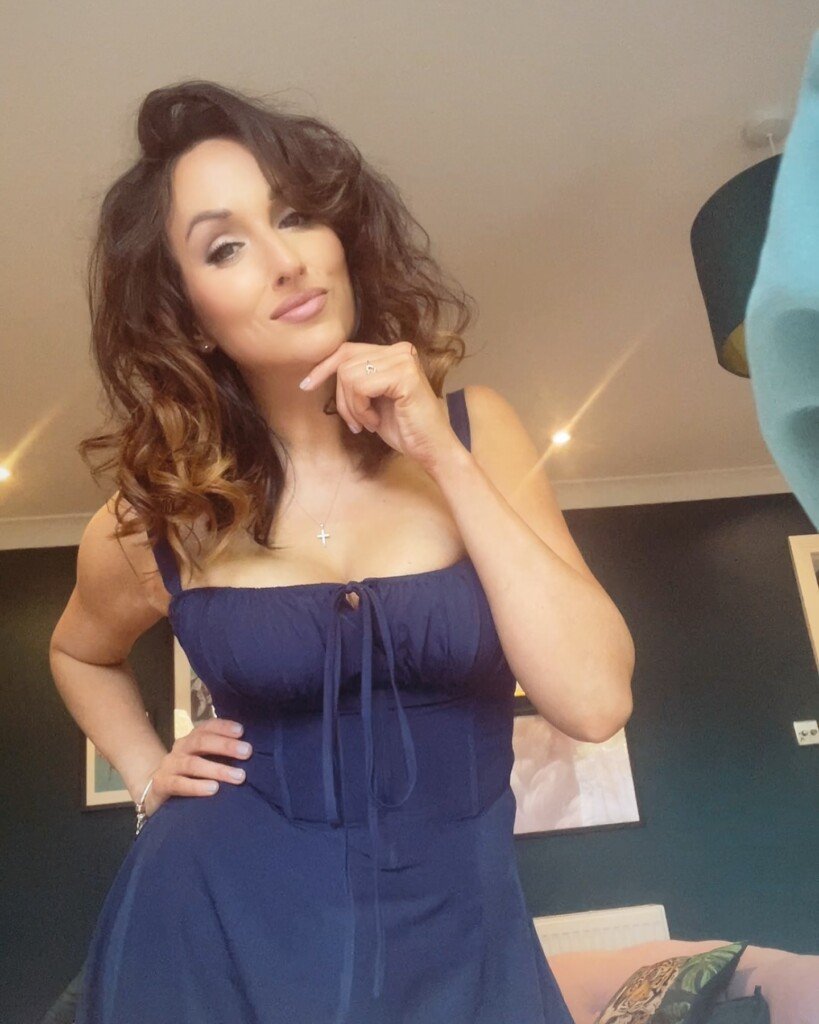
5. Music often transcends entertainment. What’s your view on the role and function of music as political, cultural, spiritual, and/or social vehicles – and do you try and affront any of these themes in your work, or are you purely interested in music as an expression of technical artistry, personal narrative, and entertainment?
Grace Palmer: For me, music is definitely about personal narrative and connection. I think music’s most powerful role is helping people feel less alone in their experiences. My song “Breathe” came from a particularly bad anxiety week when I was really down. I sat in my living room with my guitar, initially just writing a song to talk to myself, but then realized this could help other people going through the same thing. Mental health struggles are so common, but people often suffer in silence. If my music can make someone feel understood or less alone in their anxiety or grief, then I’ve done something meaningful. I’m not trying to change the world politically, but I am trying to create emotional honesty in a world that often feels superficial.
6. Do you feel the rewards of your musical career match the energy and passion you invest in it, or are there different kinds of fulfillment you’re still seeking?
Grace Palmer: I’ve only been recording for about 18 months, so I’m still very much in the building phase! But honestly, the reward isn’t fame or money for me – it’s that moment when I finish writing a song and I get genuinely excited listening to it back. That’s when I call my producer and say “we need to book the studio because I’ve got one!” The fulfillment I’m seeking now is finding my tribe – those people who will listen to my music and feel moved by it.
7. Can you walk us through your creative process? From the first spark of an idea to the finished track, what’s the most essential part of your process, and how do collaboration or external influences shape your work?
Grace Palmer: I’m absolutely not disciplined at all when it comes to writing! I could probably sit down and write twenty songs in a week if I forced myself, but what I actually do is wait until I’m in a creative mood or feeling particularly inspired.
I usually start with lyrics, then find the melody. I always write my own songs – I enjoy the solitude of writing and tweaking things until I get the goosebumps! The most essential part is that emotional honesty – if I’m not feeling it, the song isn’t ready.
8. What’s been the most challenging hurdle in either your personal life or music career, and how has it shaped you as an artist?
Grace Palmer: I’ve had some bad breakups, but losing my mum was definitely the biggest challenge. I wrote a song called “By His Side” about her being in heaven, and that experience taught me that music can be a way of processing grief that nothing else can match. It’s shaped me as an artist because it reinforced that I need to write from the heart,
regardless of whether anyone else likes it or not. I’m not making music for commercial success – I’m making it because these songs need to exist, and they’re helping me heal. That authenticity has become my compass. All the heartbreak becomes material, but more importantly, it all becomes healing.
9. Creative work in a studio or home environment, or interaction with a live audience? Which of these two options excites you most, and why?
Grace Palmer: They both excite me for different reasons, but I think live performance edges it out. There’s something magical about that immediate connection with people. In the studio, you can craft and perfect, which is satisfying, but live performance is where you feel the impact of your music on other people.
Playing with my country band and seeing people respond to the songs in real time is incredible. That said, I do love the intimacy of writing at home – just me, my guitar, and whatever emotion needs to come out.
10. Do you think is it important for fans of your music to understand the real story and message driving each of your songs, or do you think everyone should be free to interpret your songs in their own personal way?
Grace Palmer: I think people should absolutely be free to interpret my songs however they need to. Music is so personal – what “Breathe” means to someone dealing with anxiety might be completely different from what it means to someone going through grief or heartbreak, and that’s beautiful. I write from my specific experiences, but if someone finds their own meaning in it that helps them, then the song has done its job. That’s the magic of music – it becomes whatever the listener needs it to be in that moment. As long as people feel something, I’m happy.

STAY IN TOUCH:
FACEBOOK | INSTAGRAM | TWITTER | SPOTIFY | BANDCAMP | TIKTOK | WEBSITE | YOUTUBE