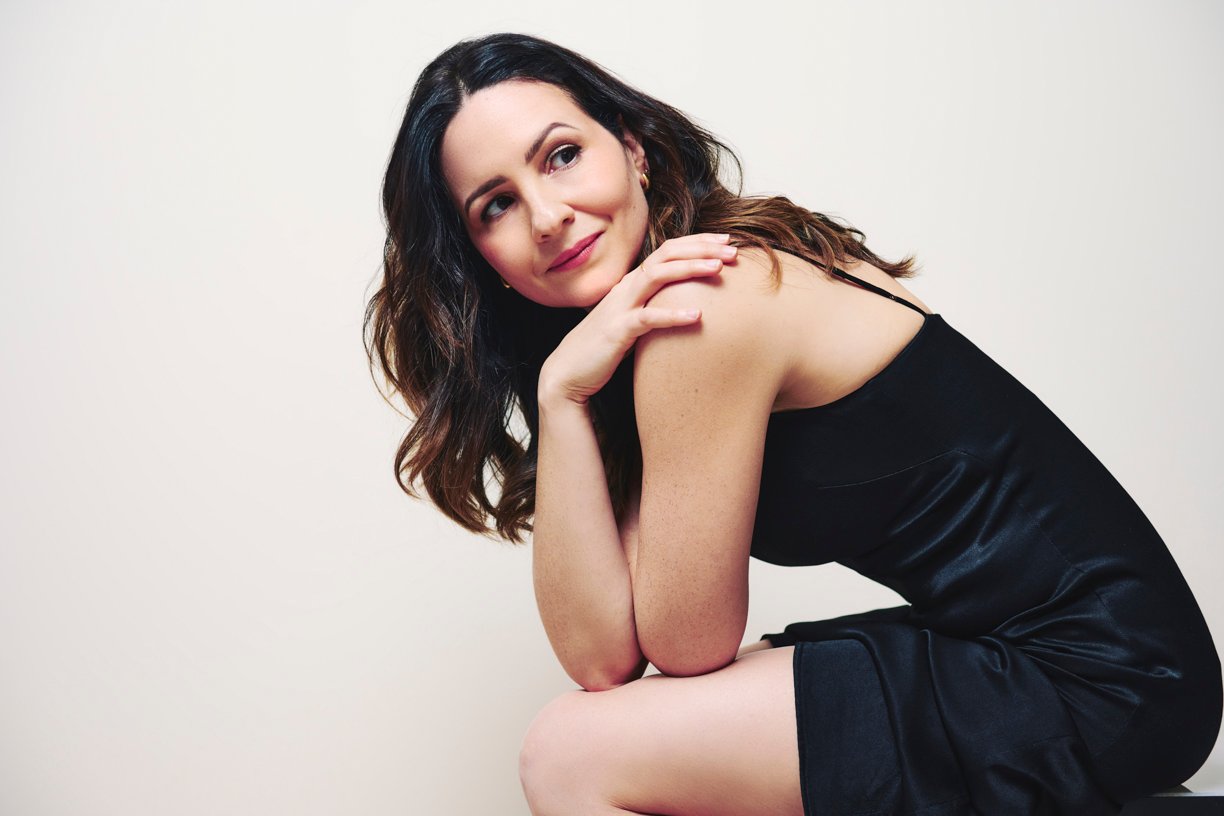
Puerto Rican singer-songwriter Ivelisse del Carmen blends Latin soul with modern production. Her unique style successfully combines her classical training, Latino rhythms, and influences from Spain and Latin America (Bolero, Latin Jazz, Bossa Nova). This crossover of modern and classical with influences from both sides of the Atlantic permeates both her own compositions and her very personal arrangements of Spanish and Latin American songs. Check out the exclusive Interview below:
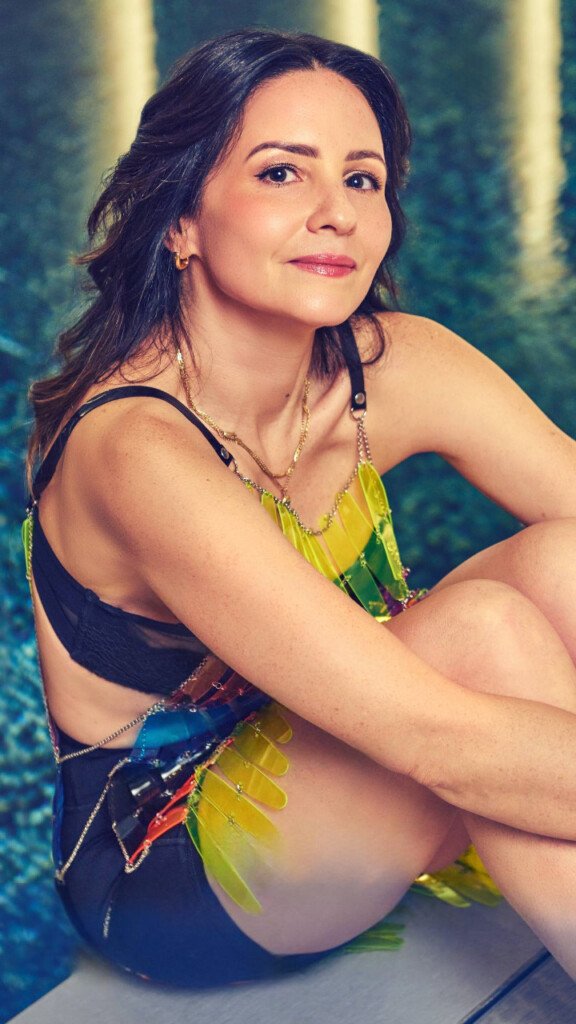
1. Your roots can often shape your journey. Can you share a story or moment from your early life that had a significant impact on your path into music?
Ivelisse del Carmen: My grandfather was a songwriter—he mostly wrote traditional Puerto Rican music, but he also composed nanas, lullabies, for his grandchildren. I had been singing at family gatherings since I was about five, so music was already a part of my life. But when I was seven, something shifted. My grandfather wrote a nana for my newborn baby cousin, and unlike before, he let me in on the process—how he shaped the melody, how the lyrics came from a feeling. That experience opened my eyes. I realized songs weren’t just things you heard—they could be made, built from emotion. I became obsessed. I even started asking my teachers if I could sing the lullaby in class. I’d raise my hand during lessons, and they always let me perform. It was the first time I shared music outside of my family, and it felt completely natural—like I was meant to be doing it.
2. Did your musical journey begin with formal training, or was it more of a personal exploration? How has that shaped your unique approach to your craft?
Ivelisse del Carmen: My musical journey began at home, learning to sing and play guitar by ear. On my paternal grandfather’s side, music—especially Puerto Rican traditions like décimas and aguinaldos—was everywhere. My grandfather taught me guitar, and my father often played and sang after dinner. That early, intuitive approach still shapes my craft today—I lead with what feels good and draw heavily from those traditional sounds. Formal training didn’t come until I was 13.
3. Who were some of the most influential figures in your early musical life, and how did they inspire your sound? Also, what’s the story behind choosing the name ‘Ivelisse del Carmen’?
Ivelisse del Carmen: As I mentioned earlier, the two most influential people in my early musical life were my grandfather, followed by my father. But another key figure who had a lasting impact on me was my children’s choir director. I joined the choir at 13, and through her, I was introduced to music I hadn’t encountered before—classical, jazz, blues, Bossa Nova, The Beatles, and a wide range of singer-songwriters. Her influence didn’t shape my sound directly, but it expanded my perspective and enriched my musical vocabulary. It gave me more to draw from as I developed my own voice.
As for my name—Ivelisse del Carmen is my given name, though I didn’t always like it. As a child, it was usually only used when I was in trouble. But my choir director called me by my full name constantly, and always with warmth. Over time, it began to feel like something I could claim with pride. While my family and friends still call me Ivelisse or Ive, Ivelisse del Carmen became the name I use in artistic and professional spaces. It now carries a sense of identity and presence that feels true to who I am.
4. What do you believe sets your music apart? How would you describe your sound to someone discovering you for the first time, and what emotions or experiences do you hope to evoke in your listeners?
Ivelisse del Carmen: What sets my music apart is my voice—both literally and artistically. Fusion music has always existed, but what makes mine unique is that it’s filtered through me—my voice, my background, my quirks. I’m a classically trained singer, but long before that training, I had a naturally high-pitched voice and a deep connection to traditional Puerto Rican music. That tradition is embedded in everything I create—sometimes in the structure of the song, sometimes in the rhythms or textures of the production.
My voice doesn’t sit neatly in the pop or classical world—it’s velvety, expressive, and often carries a sense of longing. There’s a brightness to it, but also a weight. I love writing melodies that soar—uplifting, sometimes playful, often rooted in emotion. My songs often blend acoustic guitar, layered vocals, and rhythmic phrasing influenced by Puerto Rican traditions. I want listeners to feel joy, warmth, movement—to feel like they’re being drawn into a story that’s both personal and shared.
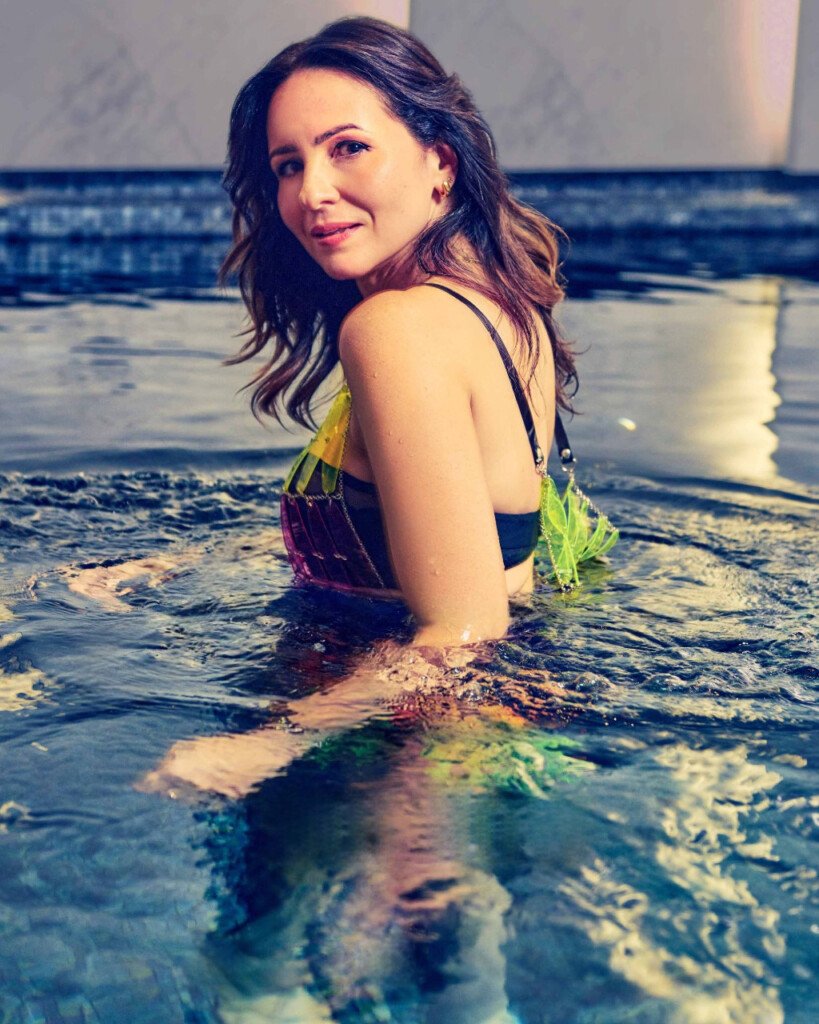
5. For most artists, originality is first preceded by a phase of learning and, often, emulating others. What was this like for you? How would you describe your own development as an artist and music maker, and the transition towards your own style, which is known as POP?
Ivelisse del Carmen: Like many artists, my early development involved a lot of learning by doing—and by emulating. When I first moved to New York, I spent about eight years performing at open mics and local festivals like Make Music New York. I built a repertoire rooted in the music I knew best: boleros I had learned from my grandfather and father, and danzas I had sung in the children’s choir. That phase was about blending the classical and traditional with the contemporary, even if I didn’t fully realize it at the time.
One of my biggest influences was Puerto Rican singer-songwriter Sylvia Rexach—her emotional depth and lyricism really spoke to me. But the turning point came when I started reimagining familiar songs. I noticed that audiences responded most when I changed the rhythm or phrasing—like playing a bolero with a reggae or Bossa Nova feel. That experimentation marked the beginning of something more personal.
My style grew out of that playfulness and curiosity. What started as reinterpretation became exploration—and eventually, something entirely my own.
Truthfully, I don’t think my music fits neatly into any one genre. It’s shaped by where I come from, how I feel, and what I need to express in the moment. It’s a blend of tradition and instinct, structure and freedom. That’s what makes it mine.
6. Music often transcends entertainment. What’s your view on the role and function of music as political, cultural, spiritual, and/or social vehicles – and do you try and affront any of these themes in your work, or are you purely interested in music as an expression of technical artistry, personal narrative, and entertainment?
Ivelisse del Carmen: “Music serves whatever purpose the artist intends—it can be political, cultural, spiritual, therapeutic, or simply a form of personal expression. It’s a dual experience: shaped by the creator’s intention and the listener’s interpretation.
In my own work, I often explore themes around women’s issues and relationships. As a woman in the music industry, I’ve had to navigate spaces where misogyny—whether subtle or overt—can come from all directions, including other women. Some of my most difficult experiences were under female mentorship, which taught me that internalized sexism affects us all.
Our upbringing, culture, politics, and religion influence how we see ourselves and what we think is acceptable—telling us to stay quiet, not swear, not be “too much.” I want to challenge that in my music. While I value technical artistry and storytelling, I’m also committed to using music to express these deeper truths—and plan to share more of that side in future releases.”
7. Do you feel the rewards of your musical career match the energy and passion you invest in it, or are there different kinds of fulfillment you’re still seeking?
Ivelisse del Carmen: “To quote Elizabeth Gilbert: “Attach the word success to your devotion to your work.” I feel incredibly fortunate to make music and to know what brings me joy—and to devote myself fully to it. I have everything I need: curiosity, wonder, a roof over my head, a supportive partner, and mentors I trust.
The rewards of my musical career have already surpassed my expectations simply because it exists—and I get to share it with others. That alone is a dream come true.
What I continue to seek is deeper connection: with listeners, with myself, and through the courage to be even more vulnerable and authentic in my work.
I’m also a dreamer, and one of my biggest dreams is to one day collaborate with some of my favorite artists. That would be the cherry on top.
Of course, there’s also the practical side—music is my passion, but it’s also my livelihood. Financial sustainability matters, and I’m constantly learning how to balance creative freedom with building a long-term career. Fulfillment, for me, includes both heart and stability.”
8. Can you walk us through your creative process? From the first spark of an idea to the finished track, what’s the most essential part of your process, and how do collaboration or external influences shape your work?
Ivelisse del Carmen: “The process is everything. One of the most valuable lessons I learned during my master’s in songwriting is not to rely on inspiration alone—because it isn’t always there. Creativity, for me, is a discipline. I show up every day and spend a few hours in my studio writing lyrics or developing melodies.
I keep a running list on my phone filled with thoughts and themes that come to me while walking, exercising, or daydreaming. When I need a creative spark, I revisit that list. I also love researching topics I’m curious about—diving into new ideas often leads to unexpected inspiration.
Finishing a song is always a thrill, but not all of them make it to production. That stage is probably my favorite part—it’s where the song really comes to life and tells me where it wants to go. Instrumentation becomes crucial here, and I often draw from classical, jazz, and traditional Puerto Rican music.
Collaboration plays a huge role at this point. I’ve learned the importance of sonic identity through working closely with music producer Paul Stanborough, who’s produced my last four works. He understands my musical language, and his ability to interpret my melodies—shaped by his own experiences and influences—brings a unique dimension to the final sound.
If I had to name the most essential part of my process, it would be this final creative dialogue between the song, the production, and the people involved. That’s where the emotional and sonic identity of the track truly takes shape.”
9. What’s been the most challenging hurdle in either your personal life or music career, and how has it shaped you as an artist?
Ivelisse del Carmen:”The biggest hurdle in both my personal life and music career has been rebuilding my self-confidence and healing from past trauma. For years, I was held back by self-doubt, perfectionism, and the belief that I wasn’t enough. Eventually, I stopped writing, singing, and performing altogether.
I struggled to trust my own voice—literally and figuratively. I was told my sound was too “classical” for contemporary music and not “classical enough” for the classical world. I worked with a range of mentors, and while some were supportive, others projected their own insecurities onto me. Over time, I lost sight of what brought me joy and felt completely disconnected from my purpose.
Prioritizing my mental health has been essential to my growth as an artist. EMDR therapy played a huge role in helping me process trauma and rebuild trust in myself. It taught me to create from a place of authenticity, not fear.
Today, I make music that reflects who I truly am. I no longer chase external validation. Instead, I write and perform from a place of vulnerability, self-trust, and pride—and that has completely reshaped my artistry.”
10. On the flip side, what moment or achievement in your career so far has made you feel the proudest, and why? And let’s talk about your latest release and future plans.
Ivelisse del Carmen: One of the proudest moments in my career was releasing and touring with my first album. I had the honor of performing at a major music festival in Puerto Rico, where I also shared the stage with Roy Brown—one of the most respected figures in Nova Trova and Puerto Rican music. That moment still feels surreal. I also toured in New York and Spain, which was a dream come true and a huge milestone for me as an independent artist.
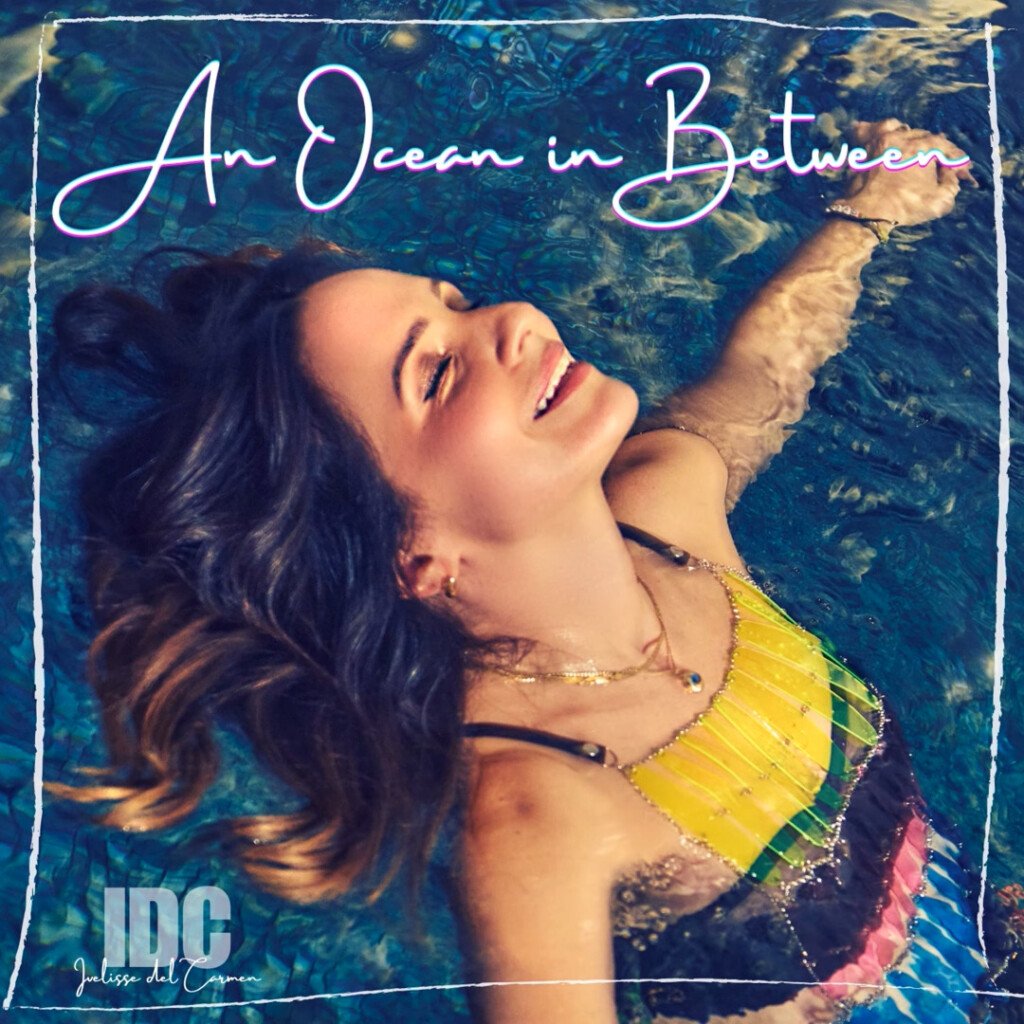
My latest release, “An Ocean in Between,” is special for a few reasons. It’s my first song in English and leans more into a pop direction, with a disco beat and a pop structure. Exploring that sound was exciting—it pushed me creatively. The production process and making the music video were exhilarating, and I’m incredibly proud of how it all came together. It definitely felt like a big step forward.
Looking ahead, my projects keep growing in scale and depth. As I become more comfortable in my own skin, I’m making music that feels more aligned with who I am—music I genuinely want to hear. The future holds more than just love songs and joyful melodies; I’m also working on more personal and political material, exploring sides of myself I haven’t shared yet as an artist.
My passion continues to grow, and so does my confidence. I’m working nonstop—and I truly believe the best is yet to come.

STAY IN TOUCH:
INSTAGRAM | SPOTIFY | TIKTOK | WEBSITE | YOUTUBE | FACEBOOK