
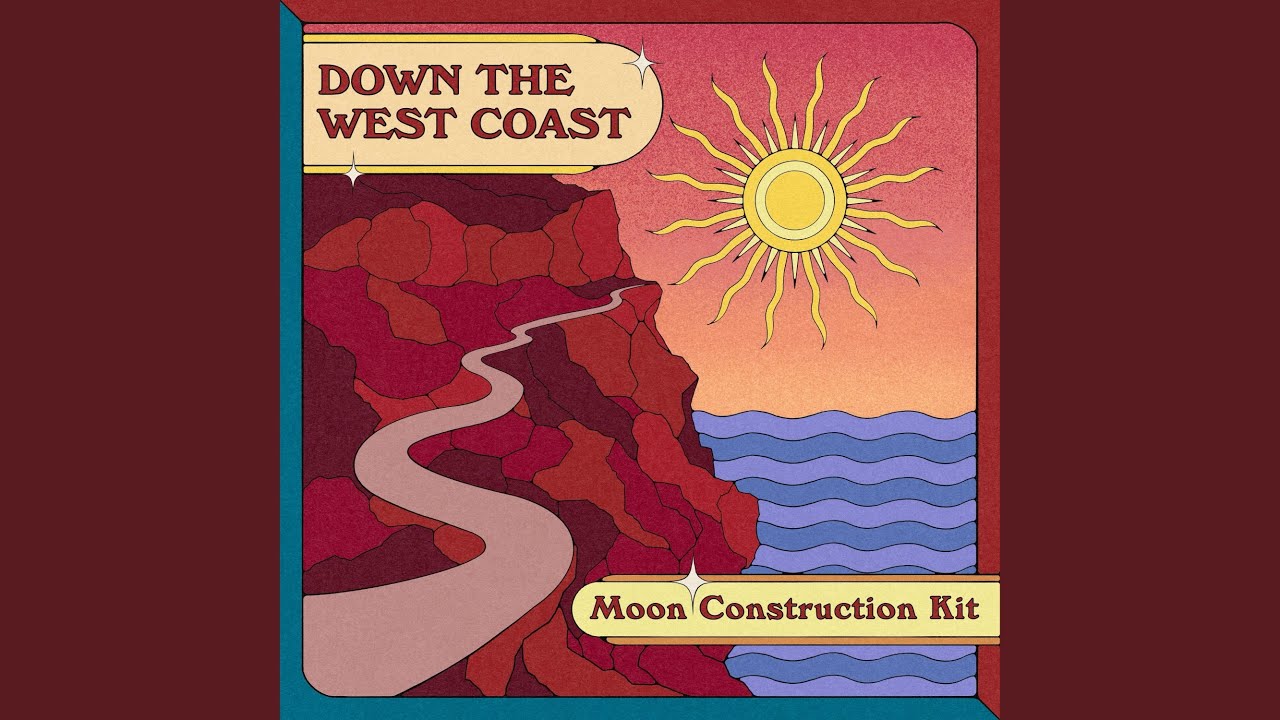
“Down the West Coast” is a sun-drenched indie-psych track built on warm acoustic guitars, lush vocal harmonies, and a classic late-1960s pop sensibility. Crafted with a deep appreciation for analog warmth and organic textures, the song features jazz-tinged woodwinds that add cinematic storytelling depth over a mellow rhythm section. Designed for golden-hour drives and nostalgic listening, it captures a sense of longing while delivering an irresistibly infectious melodic hook, making it a perfect fit for playlists centered on dream-pop, vintage psychedelia, and indie-folk.
Exploring the intersection of melodic indie-pop, sun-drenched psychedelic soundscapes, and late-1960s influences, the artist has cultivated a distinctive sonic identity rooted in warm, analog craftsmanship. Since introducing the project with a debut EP in 2022, they have steadily refined their sound through a series of singles, paving the way for a new creative chapter defined by rich, organic studio arrangements and lush vocal harmonies. Check out the exclusive interview below:
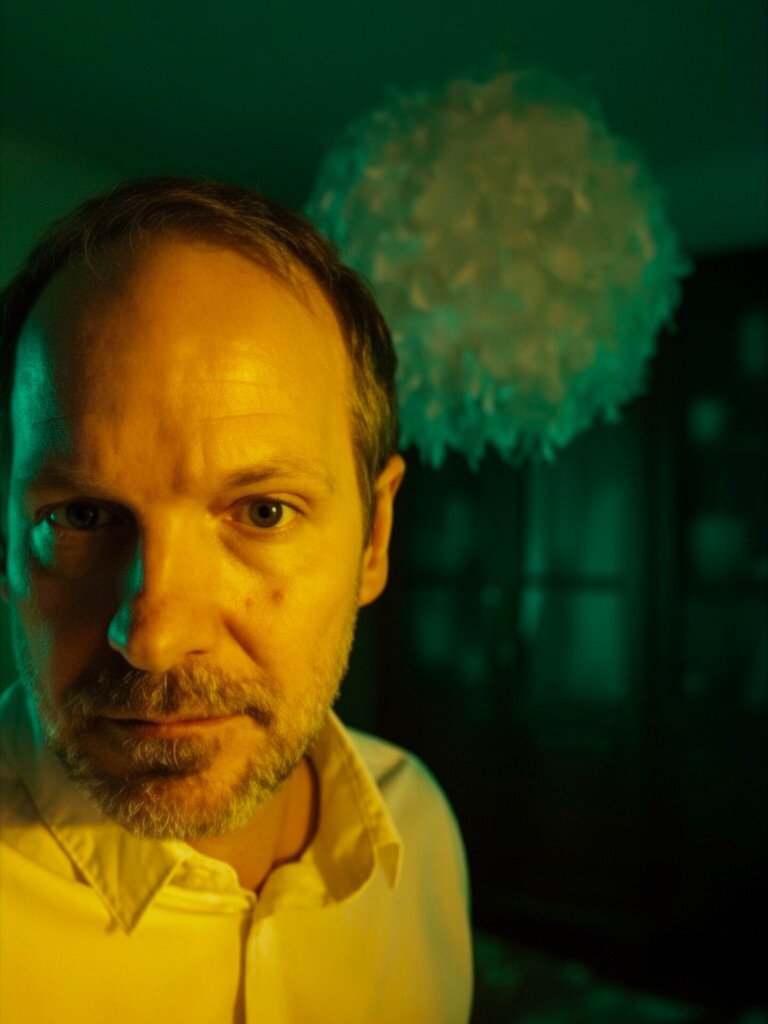
1. Your roots can often shape your journey. Can you share a story or moment from your early life that had a significant impact on your path into music?
Moon Construction Kit: It actually started back in high school. A few friends and I just decided we wanted to make music together, even though none of us knew how to play a single note. Because we had (sub)-zero technical skills, we naturally went straight into punk rock. We were listening to the Sex Pistols and The Clash, but for me, the biggest spark was the Buzzcocks. That raw, high-energy, coupled with great melodies was exactly what got me started
2. Did your musical journey begin with formal training, or was it more of a personal exploration? How has that shaped your unique approach to your craft?
Moon Construction Kit: I actually started classical guitar lessons and experimenting on the piano not long after we formed the punk band. I did it with the hope of quickly improving my musical chops, but in reality, it took a very long time. I ended up teaching myself by trying to decipher all the old piano sheet music my parents had kept at home. Because I was figuring it all out on my own, I slowly developed my own style: very very slow, hesitant classical music. But at least that’s how I discovered Chopin, Schumann, and especially Debussy.
3. Who were some of the most influential figures in your early musical life, and how did they inspire your sound? Also, what’s the story behind choosing the name ‘Moon Construction kit’?
Moon Construction Kit: The figures who really shaped my early musical life were The Beatles, and then bands like the Buzzcocks, The Pixies, and Pavement. Later on, I discovered The Beach Boys—specifically their 1965-72 era. Their vocal arrangements completely flipped my perspective on how to construct a song.
As for the name Moon Construction Kit, it represents exactly how I view my work. Since I’m a pure studio creature, I see each track as a literal kit of pieces, chords, melodies, and tons of layered vocal harmonies that I build and assemble piece by piece. As for the “Moon” part, I chose it to contrast with the complexity of a “kit.” It leaves you with just two pieces to assemble, which is perfect for my level ;)
4. What do you believe sets your music apart? How would you describe your sound to someone discovering you for the first time, and what emotions or experiences do you hope to evoke in your listeners?
Moon Construction Kit: I often describe my sound as “sunny,” but a very specific kind of sunny, more like an orange and purple sunset. It’s a blend of psychedelic pop, indie rock, and baroque pop elements.
5. For most artists, originality is first preceded by a phase of learning and, often, emulating others. What was this like for you? How would you describe your own development as an artist and music maker, and the transition towards your own style, which is known as INDIE?
Moon Construction Kit: It started as a guitar-only thing. I wanted to emulate bands that were easy enough to copy but still obsessed with melodies. My path went from straight-up punk to the Pixies and Hüsker Dü, and then moved toward Teenage Fanclub, specifically that “Catholic Education”/ “Everything Flows” era, which really nailed that “noisy pop” sound for me.
The real switch happened when I brought the piano into my songwriting. That’s when I fell down the Beach Boys rabbit hole. I listened to everything they ever did, and trust me, they have some pretty terrible stuff, especially between 1980 and 1992. But sorting through that chaos completely changed how I build a song. Regarding the ‘Indie’ label, it’s a bit too vague. I prefer to call it Psychedelic or Baroque Pop. It’s really just about the arrangements and chasing those specific melodies I hear in my head.
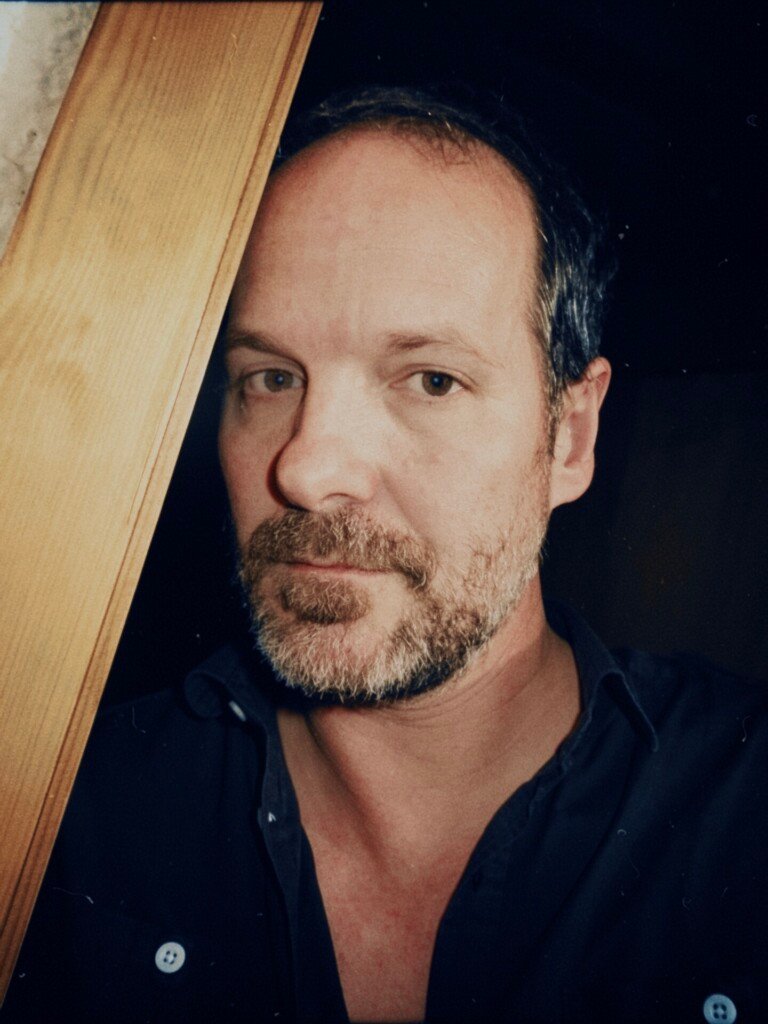
6. Do you think is it important for fans of your music to understand the real story and message driving each of your songs, or do you think everyone should be free to interpret your songs in their own personal way?
Moon Construction Kit: I love hiding obscure references for the listener to discover, mixed in with stuff that’s deeply personal. Everyone is obviously free to interpret the songs however they like, and that’s perfectly fine. But I’d say that with repeated listening, there’s a path to uncovering the real story, sometimes there’s even more than one. To me, the best songs are the ones that don’t need an instruction manual, but reward the people who decide to dig a little deeper. Lyrically, I love this “not too obvious” approach; I really dislike anything that feels like preaching. At the end of the day, I’m on the “Til I Die” team more than the “My Way” team.
7. Do you feel the rewards of your musical career match the energy and passion you invest in it, or are there different kinds of fulfillment you’re still seeking?
Moon Construction Kit: In 2026, with the sheer amount of music overflowing on every platform and the rise of AI, expecting a financial return on investment is just a joke. But in a way, that’s fine.
There are so many incredible upsides for a creator today : the tools, the gear, the ability to connect with others, that it balances out. Honestly, the real reward isn’t the bank account. It’s when someone tells me they actually connected with a song, that it touched them. That kind of feedback is the biggest achievement I could ask for, and it’s the exact reason I started making music in the first place
8. Can you walk us through your creative process? From the first spark of an idea to the finished track, what’s the most essential part of your process, and how do collaboration or external influences shape your work?
Moon Construction Kit: Everything starts late at night, either on the guitar or the piano. I just play with my eyes closed, letting the melody, and especially the rhythmic phrasing, emerge naturally.
Crucially, I almost always have a cinematic vision in mind before I write a single word. I see the song visually before I hear it fully formed; that was exactly how Down the West Coast came together. It’s not just about the notes; it’s about framing a scene first, then building the track to match that mental image
9. What’s been the most challenging hurdle in either your personal life or music career, and how has it shaped you as an artist?
Moon Construction Kit: The biggest hurdle was definitely the years I spent completely blocked, thinking that releasing music was just too much of a hassle. It wasn’t a lack of ideas, it was a lack of confidence. That kind of paralysis can really break you, to the point where you feel like throwing everything overboard.
I’m lucky, though. I had some incredibly supportive people around me who pushed me forward exactly when I was too afraid to do anything constructive. They were the ones who helped me realize that building something is worth the risk, even when you’re terrified
10. On the flip side, what moment or achievement in your career so far has made you feel the proudest, and why? And let’s talk about your latest release and future plans.
Moon Construction Kit: I don’t see it as one single achievement, but rather as a series of steps. First, realizing that my demos weren’t just rough sketches I was ashamed of, but tracks I could actually stand by. Second, releasing my first six-track EP in 2022. I was genuinely surprised by how easily I managed to record the vocals at that time, and trust me, that’s far from being the easiest part of the game! Finally, every bit of positive feedback I receive is still as exciting as the first time. That’s my biggest motivation.
My latest release, Down the West Coast, is my sunshine-psych ode to the Beach Boys. As for the future, even though I have enough tracks in the vault for an EP or a full album, I prefer sticking to a regular single-release schedule. It lets me stay consistent and see where the current takes me.
STAY IN TOUCH:
INSTAGRAM | SPOTIFY | WEBSITE | YOUTUBE