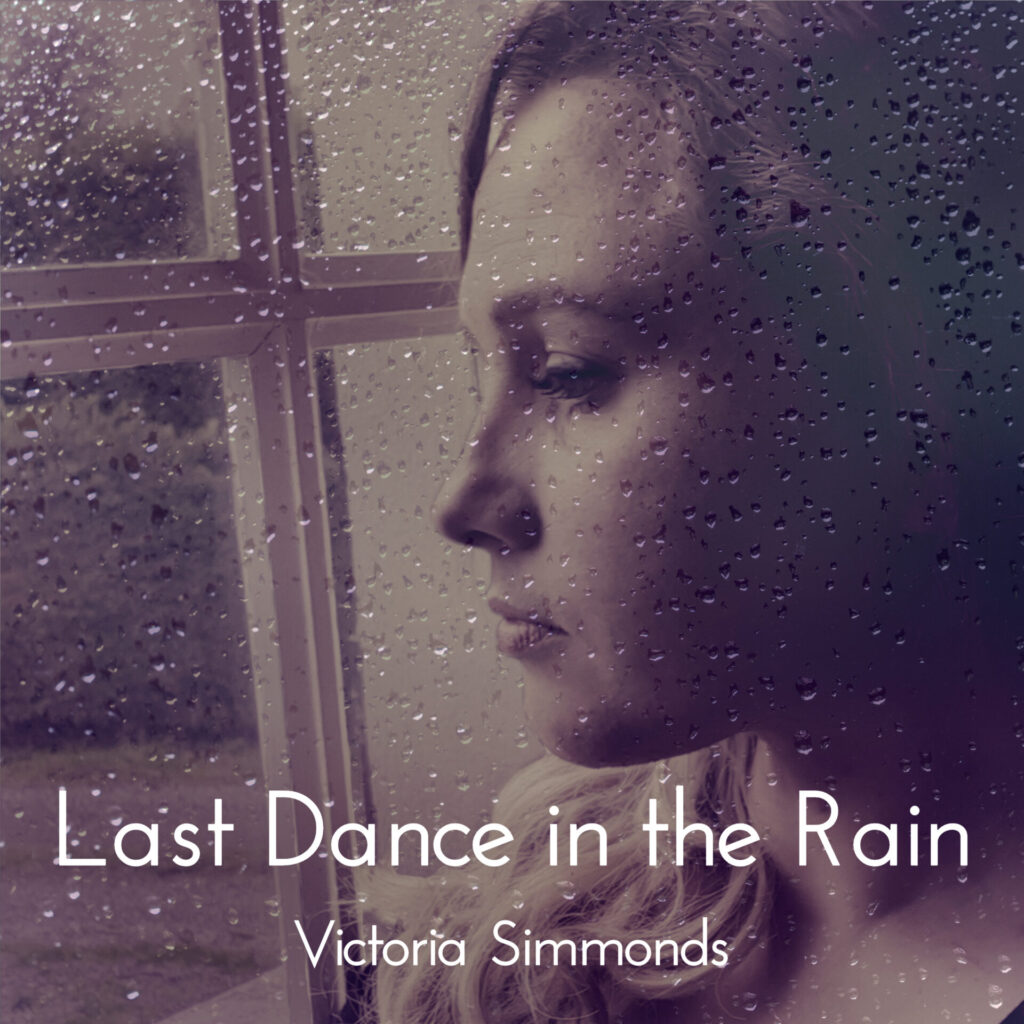
This excellent Alt Pop/Indie song was released just one month ago. In addition to others, it has already been broadcast on BBC Radio Solent, Siren Radio, and Alzheimer’s Speaks Radio.
It has been well received and discusses the difficulties and coping mechanisms associated with having a loved one who suffers from a memory-related illness. You have a wonderful way of expressing emotions, and I loved the metaphor of dancing in the rain, according to reviews. I hope you like the song and can use it in your blogs, features, and playlists. Many thanks. Check out the exclusive interview below:
1. Can you tell us a bit about where you come from and how it all got started?
VICTORIA SIMMONDS: Hi, I am from England but in 2000 moved to France with my parents. Now I go between the two countries. I have always been involved in music and theatre either at school, small shows etc but I met my music partner Paddy O’Grady by chance and we decided to actually make our own music.
2. Did you have any formal training or are you self-taught?
VICTORIA SIMMONDS: I have had singing and music lessons, studied Theatre studies at university and went to a musical theatre school for a time in Paris. Most of what I know is self-taught in regards to setting up equipment and studio recording. These are things you learn on the job.
3. Who were your first and strongest musical influences ?
VICTORIA SIMMONDS: I have been exposed to so many genres and artists that I think I’ve taken on elements of all of them. Musical Theatre was my first love. The idea of expressing a story with music.
People like Neil Diamond, Elton John and Queen were always playing in the house. I then went on to listen to my own style with of more modern artists from the Spice Girls then Christina Aguilera, Sugarland, Brad Paisley, Ed Sheeran and Adele.
4. What do you feel are the key elements in your music that should resonate with listeners, and how would you personally describe your sound?
VICTORIA SIMMONDS: I would class the music as Indie / Alt Pop-Rock. The songs have a strength to them. I have a powerful voice and we like to introduce the guitars that Paddy O’Grady does so well. We draw on his musical background and mine, merging both together to create our own sound. Many have compared us to Fleetwood Mac and Alanis Morrisette.
5. What’s your view on the role and function of music as political, cultural, spiritual, and/or social vehicles – and do you try and affront any of these themes in your work, or are you purely interested in music as an expression of technical artistry, personal narrative, and entertainment?
VICTORIA SIMMONDS: Music is a very powerful thing. We know that it creates a very intense reaction in the brain so it becomes not only a method of expression but is very therapeutic. I don’t think you can say that it is one thing or another. Music is the expression of a person’s feelings, be it personal or highlighting something of importance, through whichever means they can, i.e. Singing or playing instruments etc… Through all this we create this artistry that can be used by the listener for entertainment or in a therapeutic manner.
All my songs have a story to tell. My latest song “Last Dance in the Rain” speaks about dementia, another I have “Teddy” was written as a comfort for child bereavement. Others tell of personal emotions, struggles and happiness.
6. Do you feel that your music is giving you back just as much fulfilment as the amount of work you are putting into it or are you expecting something more, or different in the future?
VICTORIA SIMMONDS:
In terms of fulfilment it doesn’t matter if you have 10 streams or 10million streams, if you feel that you have made a difference in someone’s life just for a moment then that is the greatest pleasure. It is natural, to want loads of people to listen to know who you are. When you don’t get the results you want or expected it can really be soul destroying. Building an audience is hard but each day more and more people are aware of your music and that’s what motivates you to go on.
7. Could you describe your creative processes? How do usually start, and go about shaping ideas into a completed song? Do you usually start with a tune, a beat, or a narrative in your head? And do you collaborate with others in this process?
VICTORIA SIMMONDS:
This is totally dependant on the situation. When I have written songs about a topic such as child bereavement, I usually describe what I want to say and condense it. The music then comes from reading the words out loud. Other times I have walked down a street and picked up a beat, or played around on the piano and found a rift that I like. The lyrics end up being how I’m feeling at the time so that the two emotions go hand in hand.
I have so far collaborated with Paddy O’Grady and that usually means adapting the lyrics to something I feel comfortable singing. The melody may only be an idea which then I can adapt to suit my voice, knowing my strengths and weaknesses and planning various instruments to include.
8. What has been the most significant point in your life or music career so far?
VICTORIA SIMMONDS: Making the decision to take the chance on my music has been the hardest and scariest thing in my career. It has been the first time I have had to handle everything and not just go on stage and perform. It has also been the best thing because I was brave enough to push though a lot of barriers that I had and still have to get where I am today. I am so proud to have got this far and am so excited for what might come next.
9. With social media having a heavy impact on our lives and the music business in general, how do you handle criticism, haters, and/or naysayers in general? Is it something you pay attention to, or simply ignore?
VICTORIA SIMMONDS: Luckily so far, I haven’t had any really bad comments or haters. The people are all very supportive of an independent artist and want to help build up an audience. The negative comments I have been able to shift off, knowing music is subjective. I like to pay attention. Unfortunately social music really hinders the music because it isn’t about the music. It is about how many people tiktok decides to send you reel to or how long your post can stay at the top of a feed.
10. Creative work in a studio or home environment, or interaction with a live audience? Which of these two options excites you most, and why?
VICTORIA SIMMONDS: I probably like the live performances best, simply because you can see the reaction to the music in person instead of watching how many streams I got that week. It means so much more. It is also the different reactions from people. Those that want to dance, those that are happy to clap along and those that just want to sit and be taken in by the words and emotions. My favourite though are people that have been dragged along by a partner and don’t really want to join in. I make in my mission to make them enjoy the atmosphere and maybe join in. It is a hard one to call though because I love being creating in the studio, which is like a temple to me.
11.Do you think is it important for fans of your music to understand the real story and message driving each of your songs, or do you think everyone should be free to interpret your songs in their own personal way?
VICTORIA SIMMONDS:
I think everyone should be free to interpret the songs in their own way, you can’t force people to see it the way you do. Someone at 16 may hear a song about a crush or first love and maybe think “yes that’s how I feel” whereas an older person may see that as a very nostalgic song. However I would like to think that in my lyrics and performance I have conveyed my message to people and they understand that message. I have perform to many people that don’t understand the lyrics but the music and emotion tell the story all the same.
KEEP IN TOUCH:
FACEBOOK | INSTAGRAM | TWITTER | SPOTIFY | TIKTOK | WEBSITE