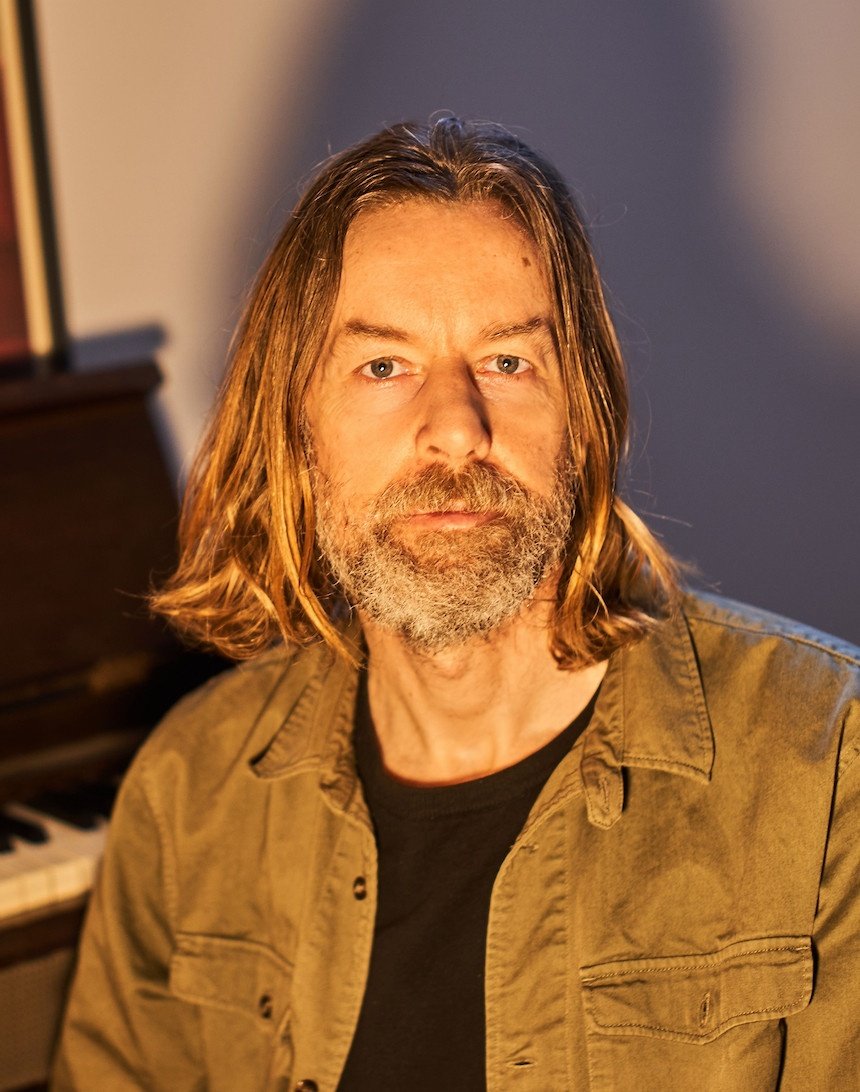

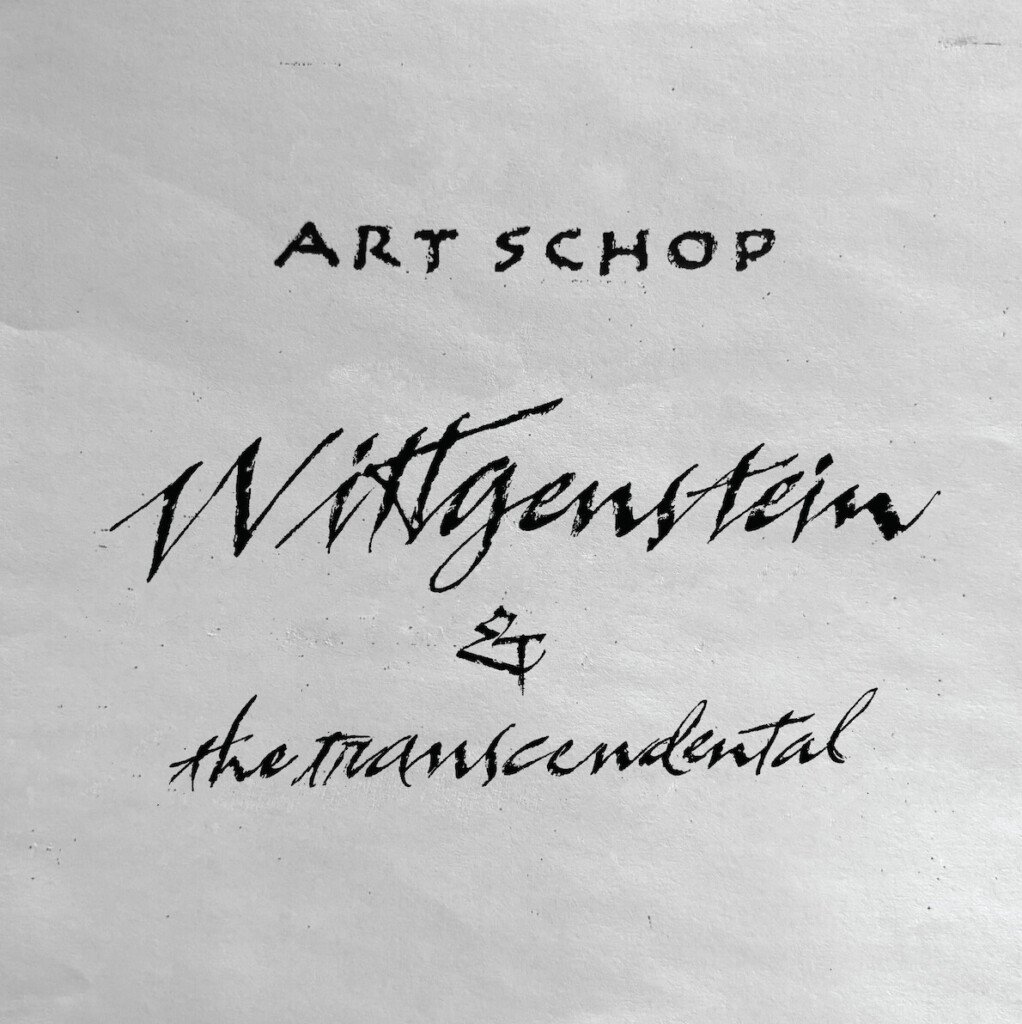
Concept albums about philosophers are not exactly dime a dozen, and yet Art Schop somehow makes Wittgenstein and the Transcendental feel oddly intimate, darkly funny, and emotionally absorbing all at once. Inspired by the life and ideas of Austrian philosopher Ludwig Wittgenstein, the album drifts through folk rock, spoken-word melancholy, philosophical reflection, and dry wit with the confidence of someone who knows they’re making something gloriously unconventional. The brooding gravity of Nick Cave collides with the narrative intimacy of Bill Callahan and the sardonic charm of Father John Misty.
From the very first track, “Go Away,” the album plants listeners deep inside its tense emotional and intellectual atmosphere. A heavy, immersive bassline crawls beneath shimmering guitars and sparkling cymbals while slow, deliberate percussion trudges forward like a reluctant confession. Schop sings with measured restraint, almost as if he’s thinking aloud in real time. He sings, “Go away / I cannot play when you’re around,” paranoid, alienated, while reeking of sibling resentment. He sings them so sparsely that they make every lyric whiff like cigarette smoke in a dim room.
Then there’s “From Oslo to Copenhagen,” one of the album’s most quietly beautiful moments. Relaxing guitar strums, warm melodic riffs, and soft shimmering percussion create the sensation of being trapped on an endless train ride through memory and existential uncertainty. Schop’s voice barely separates singing from speaking, which actually strengthens the intimacy of the song. Lyrics about absence concentrating the mind and overlapping reflections in train windows turn ordinary travel into something philosophical and haunting.
By the time “Wonderful Life” arrives, the album has fully settled into its strange emotional rhythm. Underneath haunting piano melodies and gleaming instrumentation, Schop delivers lines about wealth, loss, family, and mortality with a deep, ghostly calm. He sings, “Tell them I’ve had a wonderful life” with bittersweet ambiguity, both sincere and painfully ironic at the same time.
In Wittgenstein and the Transcendental, Art Schop turns philosophy into atmosphere, memory, and human contradiction.

STAY IN TOUCH:
FACEBOOK | INSTAGRAM | X | SPOTIFY | WEBSITE | YOUTUBE
Review by: Naomi Joan