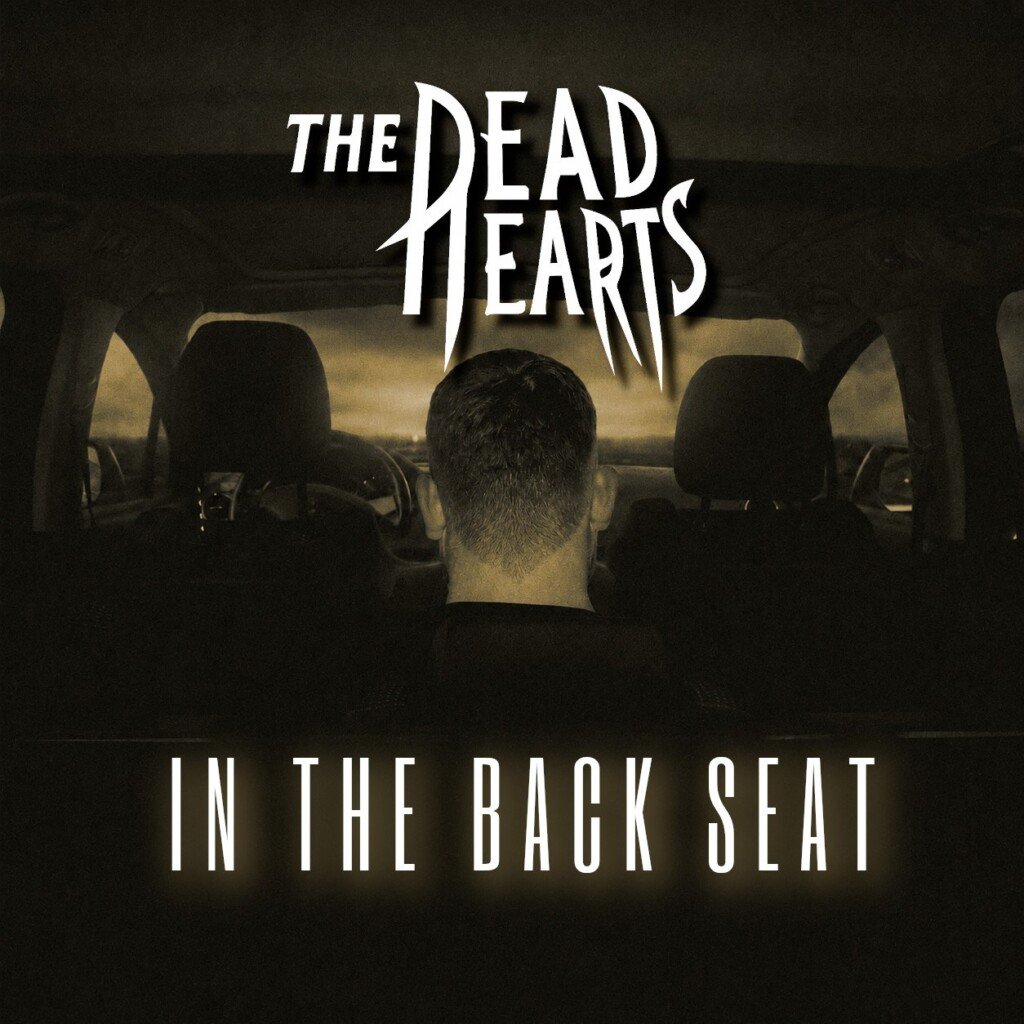
The Dead Hearts return with “In The Back Seat,” a new alternative rock / post-grunge single about the moments when life feels completely beyond our control like being a passenger in a car with no say over where it is heading. The song combines heavy, driving guitars with melodic vocals, a memorable chorus and a more aggressive breakdown, balancing the band’s heavier side with a strong emotional core. Formed in Lublin, Poland in 2020, The Dead Hearts blend alternative rock, post-grunge and alternative metal with influences rooted in the late 90s and early 2000s. Following their 2025 debut album Plight Goes On, “In The Back Seat” marks the beginning of the band’s next chapter. We had the opportunity to sit with the band and dive deep into their music. Check out the exclusive interview below:
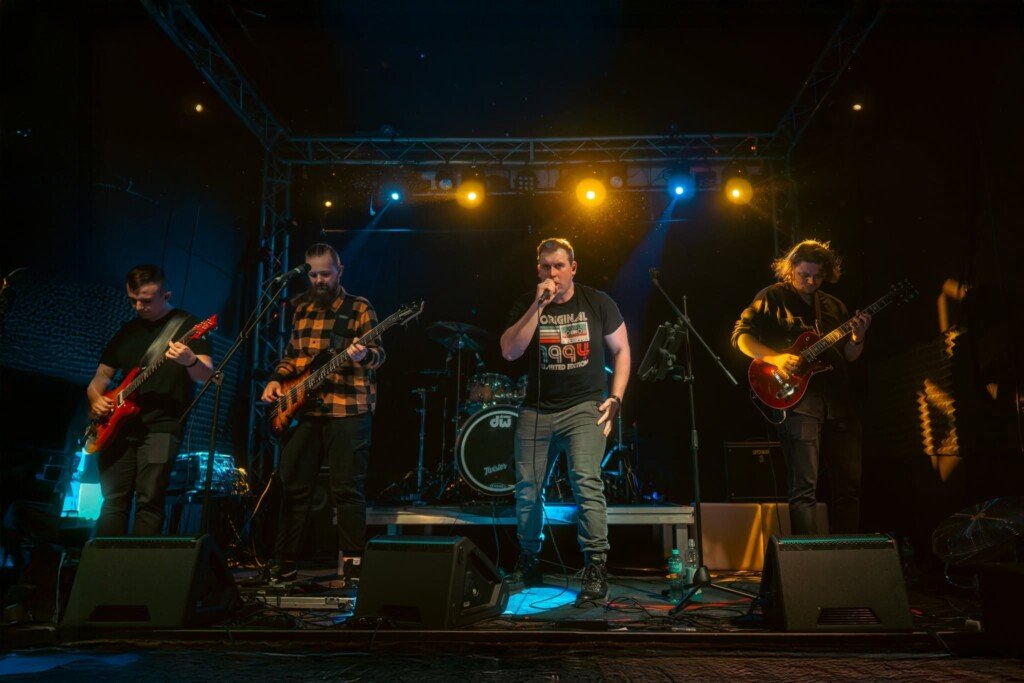
1. What do you believe sets your music apart? How would you describe your sound to someone discovering you for the first time, and what emotions or experiences do you hope to evoke in your listeners?
The Dead Hearts: We believe that what sets our music apart is contrast. By combining completely different influences, we never quite know what the final result will be when we start working on a song. On our debut album, it’s hard to find two similar tracks—each one is different in terms of both genre and composition. We describe ourselves as “high-pitched vocals, screams, and down-tuned guitars,” but that description is far too general. The best way to understand our music is simply to listen to it—especially because the lyrics are very important to us. Every song tells a story, and we want people to experience a full range of emotions when listening to our music.
2. For most artists, originality is first preceded by a phase of learning and, often, emulating others. What was this like for you? How would you describe your own development as an artist and music maker, and the transition towards your own style, which is known as METAL?
The Dead Hearts: Before we met, each of us had followed a different musical path. We didn’t know each other particularly well before forming the band either, so it makes more sense to describe how we have developed as a group.
When we write a song in the rehearsal room, we often begin with a basic framework brought in by one of us. Then everyone adds something of their own, and the result is a unique blend of our different ideas and influences.
3. Music often transcends entertainment. What’s your view on the role and function of music as political, cultural, spiritual, and/or social vehicles – and do you try and affront any of these themes in your work, or are you purely interested in music as an expression of technical artistry, personal narrative, and entertainment?
The Dead Hearts: We live in difficult times—social media, disinformation, political polarization, troll farms, and so on. People are prepared to tear each other apart in defence of the political or social groups they identify with.
We don’t want our songs to be manifestos for anything. We want to bring people together, not divide them. That’s why we try to tell stories about universal human experiences and struggles. If they resonate with people, that’s fantastic.
4. Do you feel the rewards of your musical career match the energy and passion you invest in it, or are there different kinds of fulfillment you’re still seeking?
The Dead Hearts: Not entirely. Playing shows and creating new material are wonderful, but the amount of work that goes into running a band seriously is essentially a second full-time job.
It’s a journey made up of 90% failure, 5% luck, and 5% success. You need an incredible amount of mental resilience to keep going.
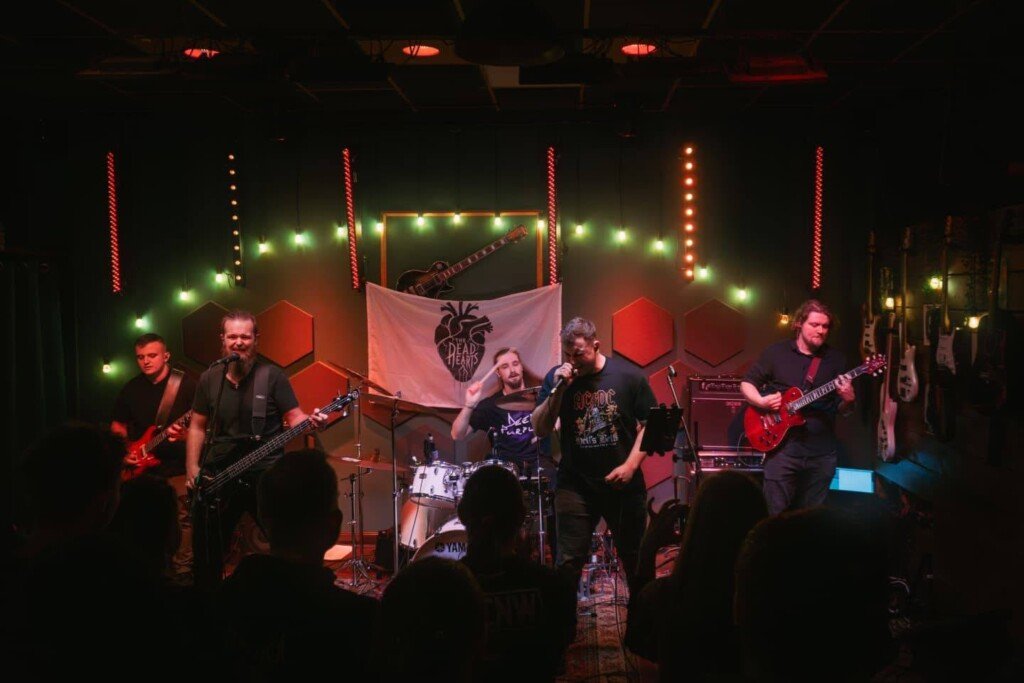
The Dead Hearts: We bring the basic framework of a song to rehearsal. Since each of us comes from a different planet, those initial ideas can vary greatly. At that stage, we often already have a rough outline of the lyrics and vocals as well.
We then play through the song at rehearsals and work on it section by section, thinking about what we can improve to get 200% out of the original idea. After that, we need to practise it and test it out at concerts to see which moments resonate most strongly with the audience.
The most important thing is to create the song in a way that makes it enjoyable for every member of the band to play. Quite often, one of us really dislikes the initial framework, but by the end of the process, we’re all happy with the result and genuinely enjoy playing our own songs.
6. What’s been the most challenging hurdle in either your personal life or music career, and how has it shaped you as an artist?
The Dead Hearts: So far, our greatest challenge has been performing live on air for Radio Centrum. As a relatively unknown band and the only act on the bill, we had to fill an entire auditorium—we usually perform alongside two to four other bands. On top of that, we had to play our material flawlessly because the whole performance was being broadcast live on the radio.
We pulled it off! Aside from that, our everyday challenge is finding enough time for rehearsals and shows while also leading normal adult lives.
7. On the flip side, what moment or achievement in your career so far has made you feel the proudest, and why? And let’s talk about your latest release and future plans.
The Dead Hearts: We’re particularly proud of everything we achieved during the first half of 2026. Immediately after releasing our album, we played some great shows, including festivals. We went from being a no-name band to becoming recognizable in our city, and we’ve built many connections within the Polish music scene.
From zero to hero! It may not be nationwide or Europe-wide fame, but it still makes us very proud.
We released the album entirely on our own—from recording it to producing the physical copies. Our latest single is simply a song that was born during rehearsals between shows. The timing worked out perfectly: we managed to record it and shoot a video just in time for autumn.
We didn’t want people to forget about us after the album’s release, and the new single also became the perfect theme for our mini-tour in autumn 2026. The track is also a reminder that we still know how to kick some serious ass.
We plan to keep writing new songs during rehearsals between shows. From December through April, we’re going to dedicate ourselves entirely to creating new material. Unfortunately, it’s impossible to focus fully on writing while actively playing concerts—there simply aren’t enough hours in the day.
We love making music. What comes next? Maybe an EP, maybe another album. We’ll see.
8. With social media having a heavy impact on our lives and the music business in general, how do you handle criticism, haters, and/or naysayers in general? Is it something you pay attention to, or simply ignore?
The Dead Hearts: Honestly, we’d rather not have social media at all. Unfortunately, nowadays it’s the main medium we use to announce what we’re doing.
We don’t get many haters, and when one does appear, we simply ignore them. The audience’s response to our music at concerts—and the kind words we hear from people afterwards—are the feedback that truly matters. The internet, on the other hand, is full of frustrated and bitter people.
What hurts most is actually the silence: receiving no response from a radio station, magazine, promoter, concert venue, or even our Facebook and Instagram followers. That’s more uncomfortable than dealing with haters. On the one hand, there’s incredible excitement and energy at our shows; on the other, a post about a new song gets zero comments and seven reactions.
That’s why it’s important to remember that what we see online is an artificial world.
9. Creative work in a studio or home environment, or interaction with a live audience? Which of these two options excites you most, and why?
The Dead Hearts: The energy of a live show and the joy of playing for people are impossible to recreate. At the same time, writing music together is equally important because it strengthens our bond and turns us from bandmates into friends.
For us, this one is a tie.
10. Do you think is it important for fans of your music to understand the real story and message driving each of your songs, or do you think everyone should be free to interpret your songs in their own personal way?
The Dead Hearts: It’s important to us that listeners understand what our lyrics are about because, as we mentioned earlier, we want our music to bring people together.

STAY IN TOUCH:
FACEBOOK | INSTAGRAM | SPOTIFY | BANDCAMP | WEBSITE | YOUTUBE