Taiwanese artist Ti Wen Hsu (Stephanie Hsu) bridges the worlds of classical music, experimental sound, and multimedia performance. A violist, composer, and interdisciplinary artist based between Taipei and New York, her work transforms cultural memory into immersive sonic experiences.
Blending live instruments, electronics, and visual media, Hsu explores how sound can hold trauma, identity, and transformation. Her performances — often raw, intimate, and conceptually charged — invite https://youtu.be/s-8sqpG8AvQ to listen not just with their ears, but with their whole being.
Let’s start from the beginning — how did your journey into music and sound art begin?
I started with the viola when I was very young, surrounded by classical music. But even then, I was more interested in the “spaces” between sounds — the noise, the breath, the texture. Later, while studying at Brooklyn College for my MFA in Sound Art, I found the tools to merge those instincts with technology. It became less about performing “pieces” and more about creating living systems of sound.
Your work often addresses history and collective memory. Can you tell us about your piece Sound of July?
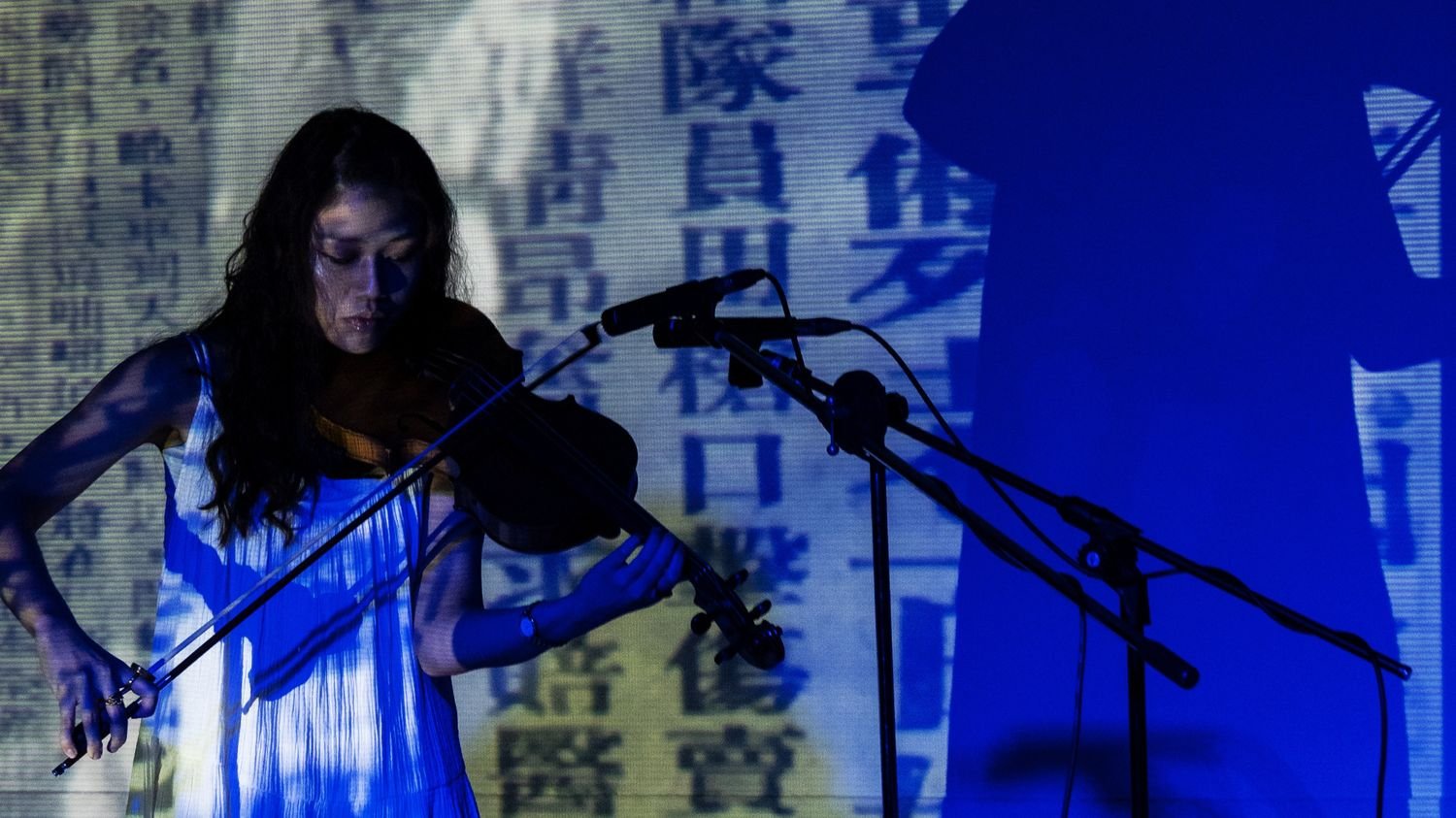
Sound of July was my response to Taiwan’s White Terror era — a dark chapter when music was used for political propaganda. I paired my live viola with four patriotic songs and layers of archival footage. These songs, once meant to inspire loyalty, now evoke fear for those who lived through that time. The piece became a conversation between beauty and pain, remembrance and forgetting.
You’ve performed internationally, from New York to Taipei. How does your environment influence your sound?
Each city resonates differently. In Taipei, the sounds of scooters, temples, and street vendors sneak into my work. In New York, it’s more industrial — sirens, subways, electricity. My process is like field recording meets memory mapping. Every environment has a rhythm, and I try to find the emotional truth in that noise.
One of your recent projects, Mc Ti, is a collaboration with composer Daniel McKemie. What makes that project special?
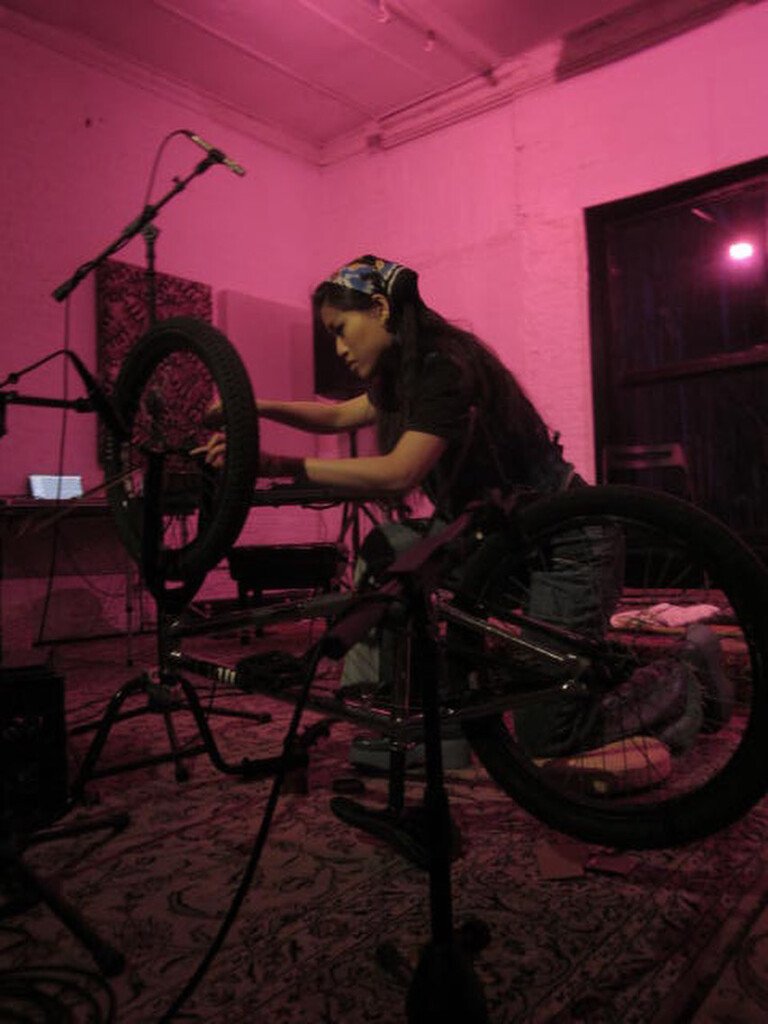
Daniel and I built Mc Ti as a dialogue between human and machine. We used live percussion, handmade circuits, and analog synths interacting with viola and software. It was unpredictable — sometimes the machine would “reply” in ways we didn’t expect. I love that tension between control and chaos, between programming and improvisation.
You also seem passionate about teaching and community work. How does that tie into your art?
I think sound art should be accessible. I’ve given lectures and workshops at Fu Jen Catholic University and often perform in rural areas. Those experiences remind me that art isn’t about prestige — it’s about connection. Even if someone doesn’t understand electronic music, they can still feel vibration, rhythm, and emotion.
What has been one of your most memorable performances?
Probably Chef Ti at Scorpion Records in New York — an interactive performance where I turned live cooking into music. I used sensors and microphones to transform the act of chopping vegetables and boiling water into rhythmic sound textures. It was playful but also a commentary on domestic labor and transformation.
Where do you see your work heading next?
I’m continuing to explore how sound can exist in public spaces — not just concert halls. I want to create works that live between documentary and performance, between digital and physical worlds. Collaboration is key for me — with other artists, with the audience, even with the environment itself.
Finally, what do you hope audiences feel after experiencing your work?
That listening is a form of remembering. Every sound carries a trace of who we are — our culture, our pain, our joy. If my work can make someone pause and really listen, then I think that’s enough.

STAY IN TOUCH:
INSTAGRAM | WEBSITE | YOUTUBE
