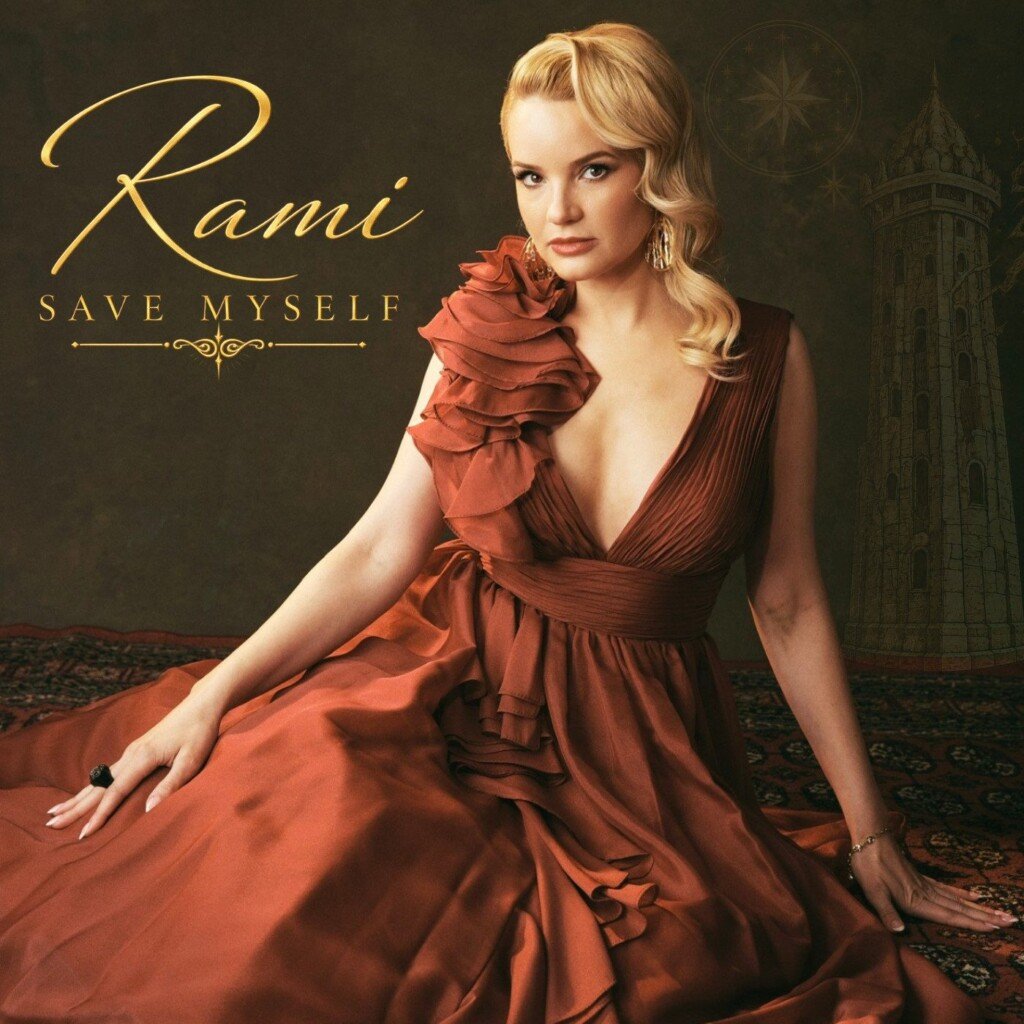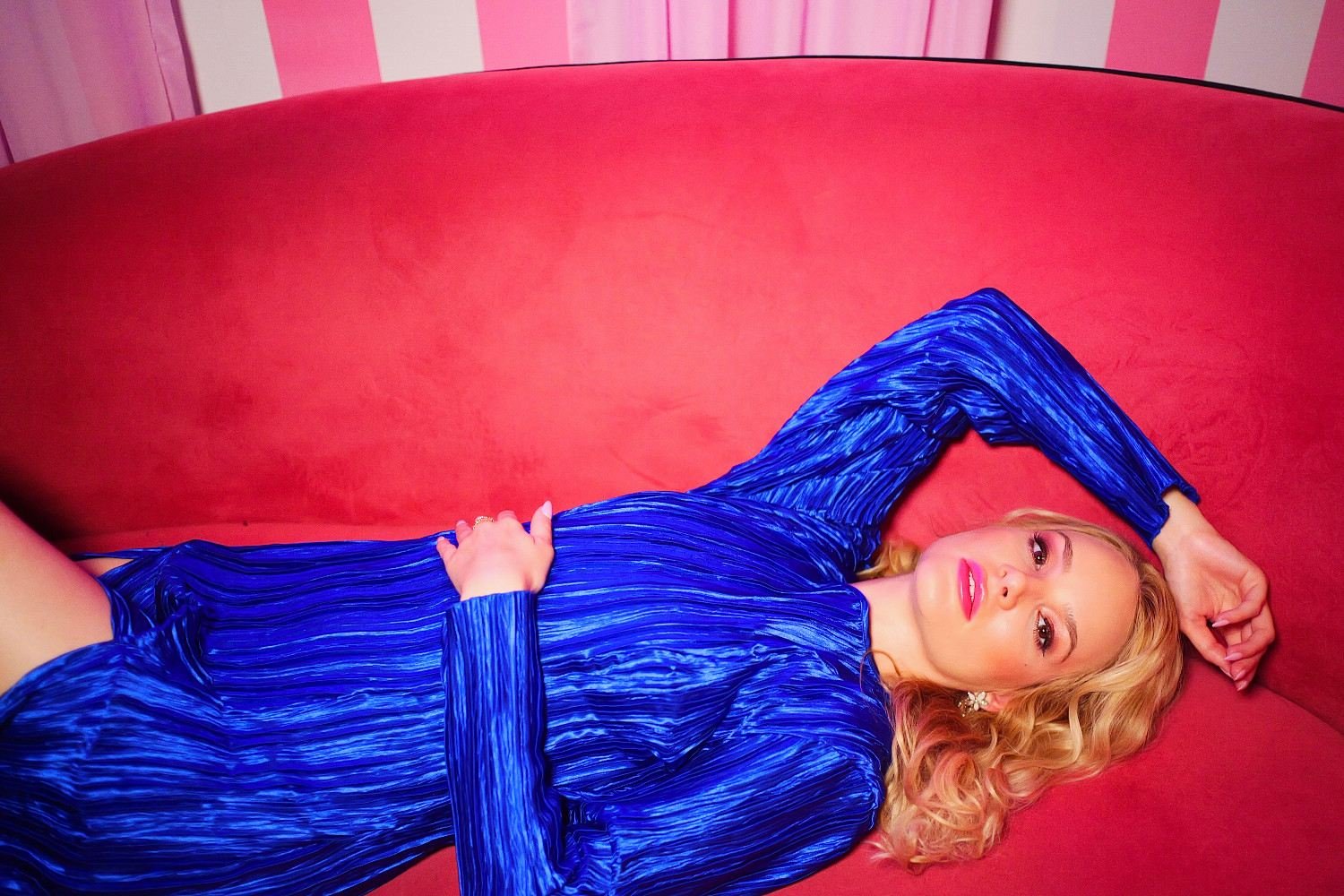
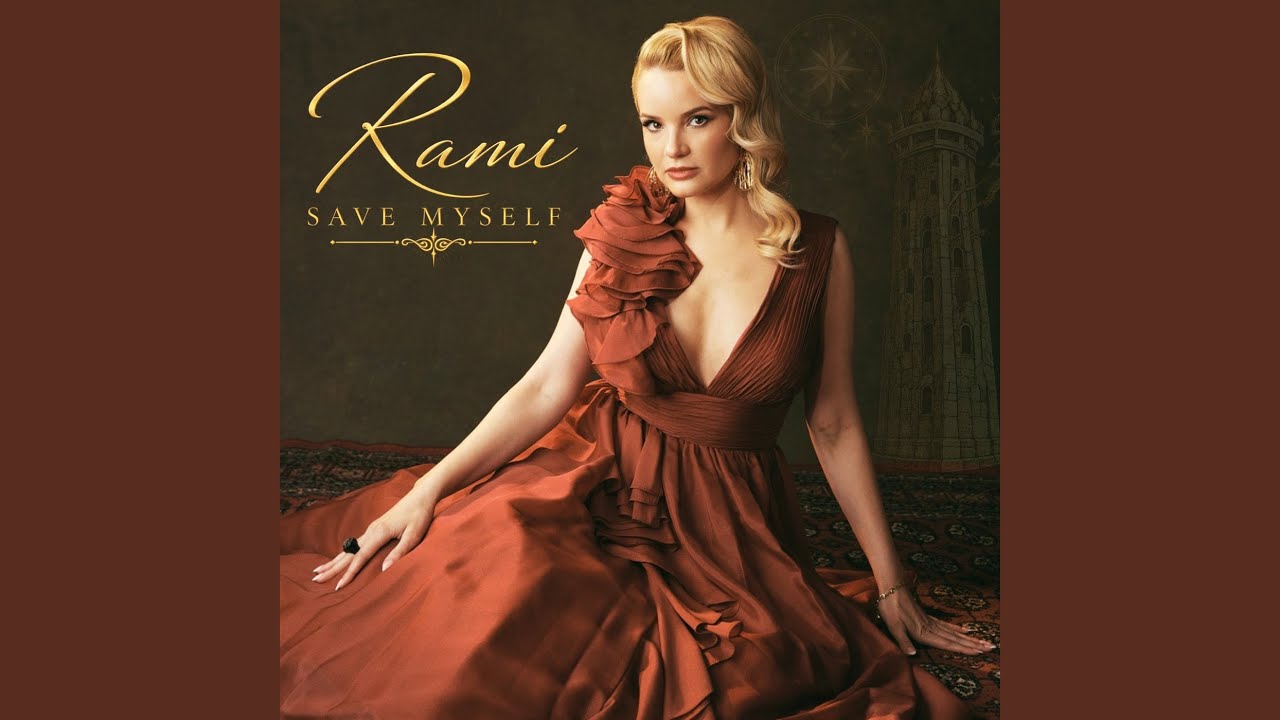
RAMI is a Nashville-based artist who opens a deeply personal new chapter with her cinematic pop sound and fairytale-inspired imagery. Ahead of the release of her single “Save Myself”—written by GRAMMY Award-winning creators Jackie’s Boy and Quiet Girl, and recorded at Nashville’s renowned Blackbird Studio—we caught up with RAMI to talk about realizing that you already have within you what you’ve been looking for, her international journey from Hungary and Milan to Nashville, and blending emotional pop with strong visual concepts. Check out the exclusive interview below:
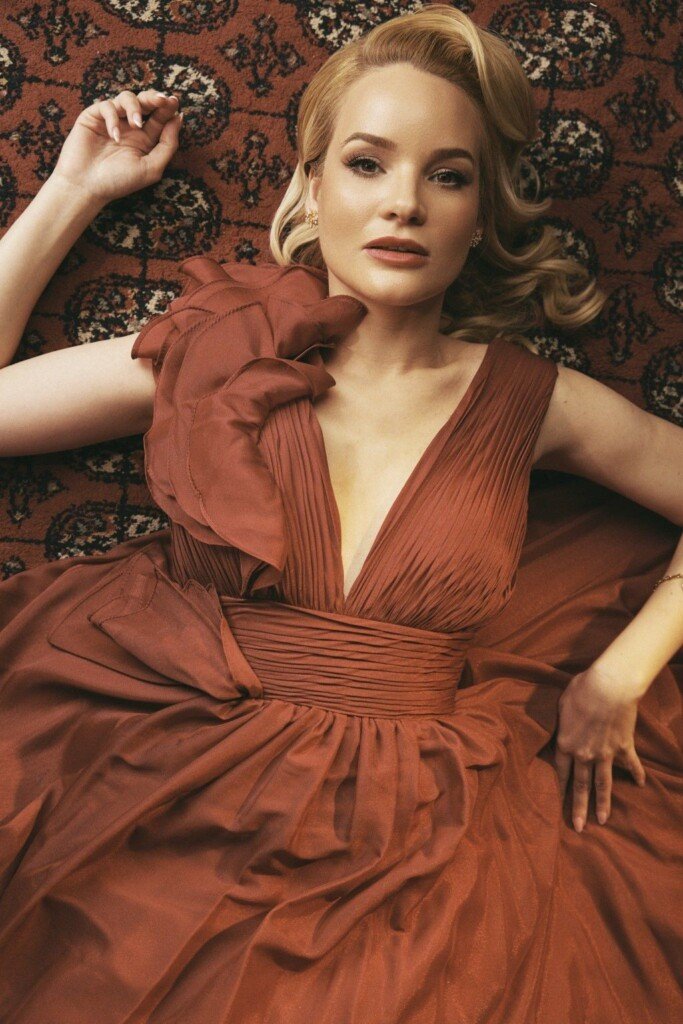
1. Your roots can often shape your journey. Can you share a story or moment from your early life that had a significant impact on your path into music?
RAMI: Even as a child, I always wanted to be a singer, so for me it was never really a question. I sang in the choir, and I was also in a school program with a strong focus on singing and music. Music has always been part of my life, and for as long as I can remember, this is the career I wanted. When I was around 15, I started taking more control of it myself. I began taking private singing lessons, started building a portfolio, and began searching for my path and figuring out how I could actually become a professional singer. This was all still in Hungary.
2. Did your musical journey begin with formal training, or was it more of a personal exploration? How has that shaped your unique approach to your craft?
RAMI: I started working on my voice and vocal technique at a very young age, and of course that is something that continues even today. In Hungary, I surrounded myself with some of the best vocal teachers I could find. Later, when I moved to Italy, I continued studying vocal technique and developing my voice, first in Rome and then in Milan.
For me, vocal training has always been very important. Your voice is an instrument, and I believe you have to continue working on it and understanding it throughout your career.
3. Who were some of the most influential figures in your early musical life, and how did they inspire your sound? Also, what’s the story behind choosing the name “RAMI”?
RAMI: Some of my biggest musical influences when I was younger were Shakira, Beyoncé and Gwen Stefani. I also loved Christina Aguilera, Atomic Kitten and the Black Eyed Peas. Those were some of my big favorites growing up. As the years went by, of course my inspirations also changed. Today I find myself listening to and being inspired a lot by music from the 1980s as well. The name RAMI actually comes from my real name, Ramona. Rami is a nickname for Ramona. So in a way, it is still completely my own name. My manager at the time and I decided together that RAMI would become my artist name.
4. What do you believe sets your music apart? How would you describe your sound to someone discovering you for the first time, and what emotions or experiences do you
hope to evoke in your listeners?
RAMI: I think one of the things that makes me different is that I have lived within several different cultures. I am originally from Hungary in Europe, I have also lived abroad in different countries, including Italy, my sister lives in France, and now I live in the United States. Different cultures have been part of my life for many years and still are today, and I think all of those experiences influence me in some way as an artist. When it comes to my sound, I really try to focus on the natural singing voice and on the emotion behind the vocal. I try not to rely too much on Auto-Tune because for me, singing itself is very important.
I also want to sing about things that have meaning. I want there to be a message behind the music, and most importantly, I want to communicate real emotions. I want people to feel something when they listen.
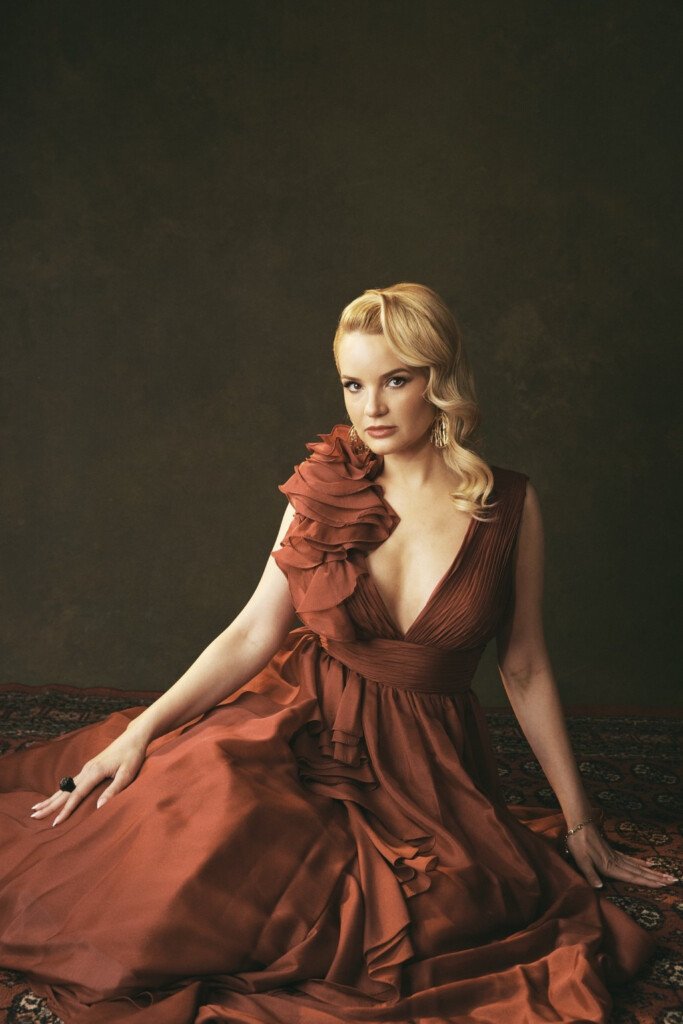
5. For most artists, originality is first preceded by a phase of learning and, often, emulating others. What was this like for you? How would you describe your own
development as an artist and music maker, and the transition towards your own style, which is known as POP?
RAMI: As I mentioned before, I spent many years learning vocal technique and developing my voice. I think the human voice itself also goes through many different stages. Your voice is not the same when you are 15 as it is when you are 30.
But I think it is not only the voice that develops. You develop as a person too.
As you get older, you go through more experiences, different relationships, different countries, different situations, good moments and difficult moments. Over the years, you simply have more things to sing about.
We do not sing about the same things at 18 that we sing about at 32. So for me, life itself has probably been one of my biggest influences. Like everyone else, I am inspired by what I live through.
6. Music often transcends entertainment. What’s your view on the role and function of music as political, cultural, spiritual, and/or social vehicles — and do you try and affront any of these themes in your work, or are you purely interested in music as an expression of technical artistry, personal narrative, and entertainment?
RAMI: Music is everything to me, but in my own work it is mostly about artistic expression, personal experiences and emotions.
I like to sing about things that are close to me or things that I have personally experienced. I think at the end of the day, one of the most powerful things music can do is communicate emotion. That is probably the most important part for me.
7. Do you feel the rewards of your musical career match the energy and passion you invest in it, or are there different kinds of fulfillment you’re still seeking?
RAMI: I do not think life necessarily works in a way where the exact amount of energy you put into something always comes back to you in the same form.
Of course, I still have many goals. At the same time, I feel that many things I once dreamed about have already become reality, and I am very grateful for that.
But I still have so many ideas. I still have so much music in me, so many stories, so many emotions and so many things I want to create. So I definitely feel that there is still a lot ahead of me.
8. Can you walk us through your creative process? From the first spark of an idea to the finished track, what’s the most essential part of your process, and how do collaboration
or external influences shape your work?
RAMI: My latest song, Save Myself, is probably a very good example.
I wanted to sing about a period of my life when I felt completely lost. I did not know what was next or how to move forward, and for a long time I was waiting for some kind of outside help, some kind of outside answer or realization that would somehow change everything.
Eventually, I reached a point where I realized that I had to solve it myself. I had to take control of my own life. That realization became one of the biggest messages for me personally, and that is why I wanted to sing about it.
Then I started working with Jackie’s Boy and Quiet Girl here in Nashville. We worked on the song at
Blackbird Studio. They wrote the song after we talked about my story and what I wanted to say, and then we also recorded it there.
For me, collaboration is very important because you bring your story and your emotions into the room, but another person can sometimes hear something in your story and translate it into lyrics or music in a way that surprises you.
9. What’s been the most challenging hurdle in either your personal life or music career, and how has it shaped you as an artist?
RAMI: One of the biggest challenges was going through a period when I felt that I had to start everything again from the beginning and find myself again.
At one point I moved back to Hungary from Italy and found myself in a completely new situation in my life. I did not really know what was next or how I was going to move forward.
That period changed me a lot, both personally and as an artist. And ultimately, Save Myself was born from that experience.
So something that was very difficult at the time eventually became something creative and meaningful.
10. On the flip side, what moment or achievement in your career so far has made you feel the proudest, and why? And let’s talk about your latest release and future plans.
RAMI: I think I am proud of every song I have released, and it would be difficult for me to choose only one because every song belongs to a different period of my life, a different chapter, and sometimes even a different country.
I am very proud of the beginning of my professional career in Hungary. I was very young, around 18 to in my twenties when I was signed to mTon / Warner Music Hungary. I had music videos, television
appearances, radio, and I released a physical album back when CDs were still such an important part of the music industry. I am proud of that period because I was very young and already living the life I had dreamed about as a child.
At the same time, I am extremely proud of Save Myself because this represents another new beginning for me, now in America. Of course I am not really beginning from zero because I already have many years of experience behind me, but in a new country and a new market, it feels in many ways like starting again.
The song was created at Blackbird Studio in Nashville with a Grammy Awards songwriter Jackie’s Boy and Quiet Girl, and I am very proud that I had the opportunity to work with artists and creatives of that level. The recording engineer was Edoardo Ghigo, who is a two-time Grammy winner.
And the next big thing is the music video for Save Myself, which is coming very soon. We filmed it in Los Angeles, and it is a very cinematic project with a lot of visual effects. We worked with an amazing team including VFX supervisor Jason Howey, Bruce Jones and Michael Toledo.
The director and cinematographer is my very good friend Suzanna Kiss. We had already worked together before on my version of Gloomy Sunday, so it was very special to work together again on this project.
For now, I really want to give Save Myself every opportunity I can before moving on to the next chapter.
11. With social media having a heavy impact on our lives and the music business in general, how do you handle criticism, haters, and/or naysayers in general? Is it something
you pay attention to, or simply ignore?
RAMI: I think criticism always affects you on some level because we are human. Luckily, so far I have not received a lot of negative criticism or hateful comments.
If that happens more in the future, I will always try to focus on the positive.
I know my own value, and I think I have a healthy amount of self-confidence. I am also very lucky because I have a very strong family around me, a husband who supports me in everything I do, wonderful friends, and I try to surround myself with good people.
I think when you have that strong foundation around you, one negative comment might hurt for a moment, because of course you are still human, but then it passes very quickly.
12. Creative work in a studio or home environment, or interaction with a live audience? Which of these two options excites you most, and why?
RAMI: They are completely different energies, and I would actually add filming music videos as a third one because I love that side of creating too.
In the studio, I love that you can completely focus on the music. You can be inside the song, work on the details and just sing.
But when you are performing in front of an audience, there is an exchange of energy. You give something to them, and they give something back to you. That creates a completely different kind of feeling and Happiness.
So for me, it is very difficult to compare the two because I love them for completely different reasons.
13. Do you think it is important for fans of your music to understand the real story and message driving each of your songs, or do you think everyone should be free to interpret your songs in their own personal way?
RAMI: First of all, I definitely want everyone to be able to interpret my songs in their own way.
What I mainly want to communicate through music is emotion. Of course, if someone knows my personal story and understands exactly where a song came from, I think that can add another layer to the song and maybe make the connection even deeper. But that is not necessary for me.
The main goal is that people can take the song and connect it to their own lives. I want them to feel their own emotions and recognize something from their own experiences in the music.
If my story can become part of somebody else’s story in that way, I think that is one of the most beautiful things music can do.
STAY IN TOUCH:
FACEBOOK | INSTAGRAM | X | SPOTIFY | TIKTOK | WEBSITE | YOUTUBE