

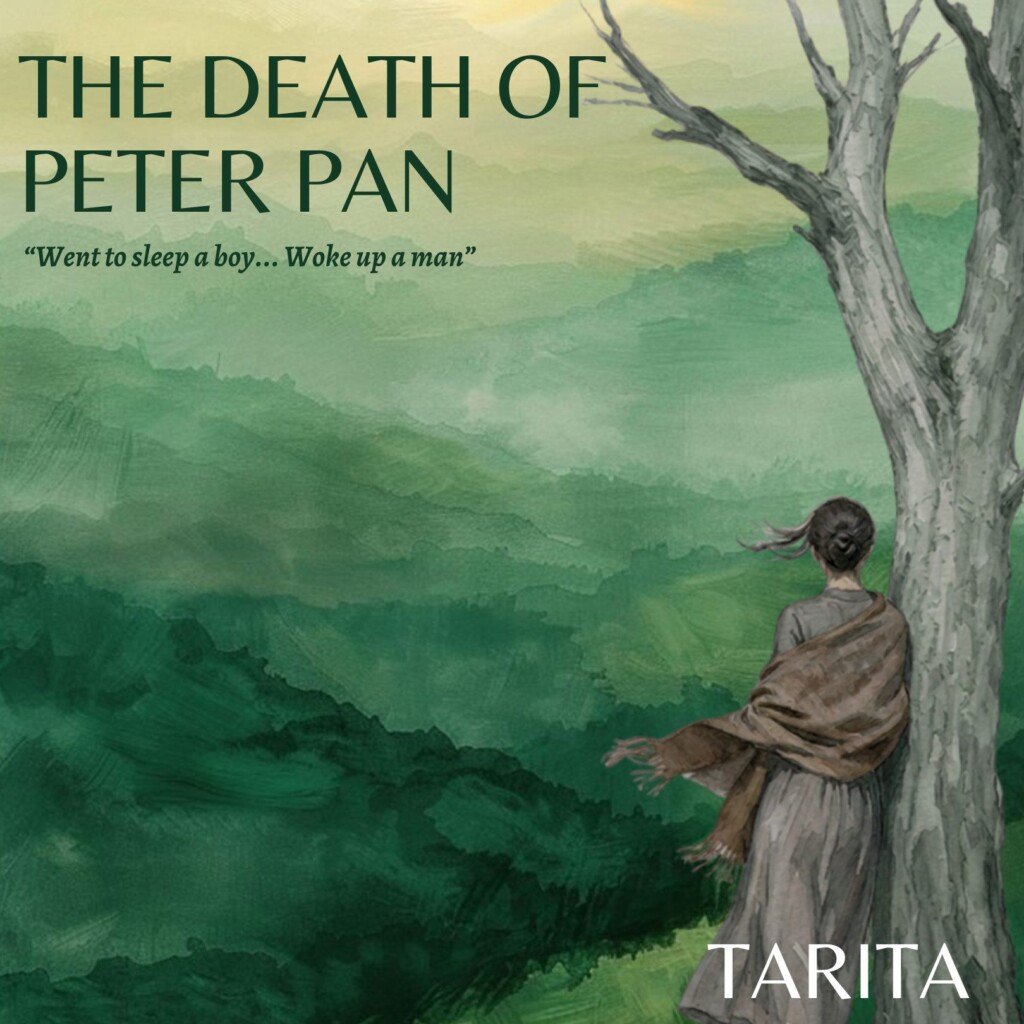
Sometimes a song waits nearly two decades for its moment in the world, and in the case of Tarita’s “The Death of Peter Pan,” that long delay feels almost too fitting. Written by Chennai-based musician Dr Sindhuja Sankaran when she was around 21 and finally released at 41, the track is a tender, reflective meditation on growing up, losing our childhood illusions, and discovering that adulthood rarely resembles the grand adventure we once imagined.
Gentle acoustic guitar strumming sets the scene, allowing Tarita’s husky, high, grainy voice to unfold the song’s premise with unhurried softness. The lyrics and melody gradually reveal themselves, drawing the listener into a private moment of reflection. The arrangement grows warmer as the song progresses, giving the music a comforting intimacy without taking away from its underlying melancholy. There’s an understated beauty in that gradual unfolding, as though the song itself is slowly coming to terms with the years that have passed.
The lyrics, written by Sindhuja’s longtime friend Rohan Tharyan, trace the journey from childhood fantasies of dragons and mermaids into the everyday realities of jobs, relationships, family, and wedding rings. Growing up is supposed to mean becoming wiser, more capable, perhaps even more fulfilled, yet the adult we become doesn’t always match the person we once dreamed of being. Rather than turning that disappointment into outright despair, “The Death of Peter Pan” approaches it with gentle honesty, acknowledging the strange mixture of acceptance and bewilderment that comes with looking back.
The song’s own history adds another layer of poignancy. Originally recorded on an old IBM laptop in 2007, with Sindhuja singing and playing guitar, it remained unreleased until producer Sanjai Shine helped bring it into the present, adding guitar and backing vocals.
Fans of José González, Jeff Buckley, early Radiohead, and Norah Jones may appreciate its understated emotional pull. With “The Death of Peter Pan,” Tarita reminds us that growing older simply means learning to listen to our younger selves differently.

STAY IN TOUCH:
Review by: Naomi Joan