

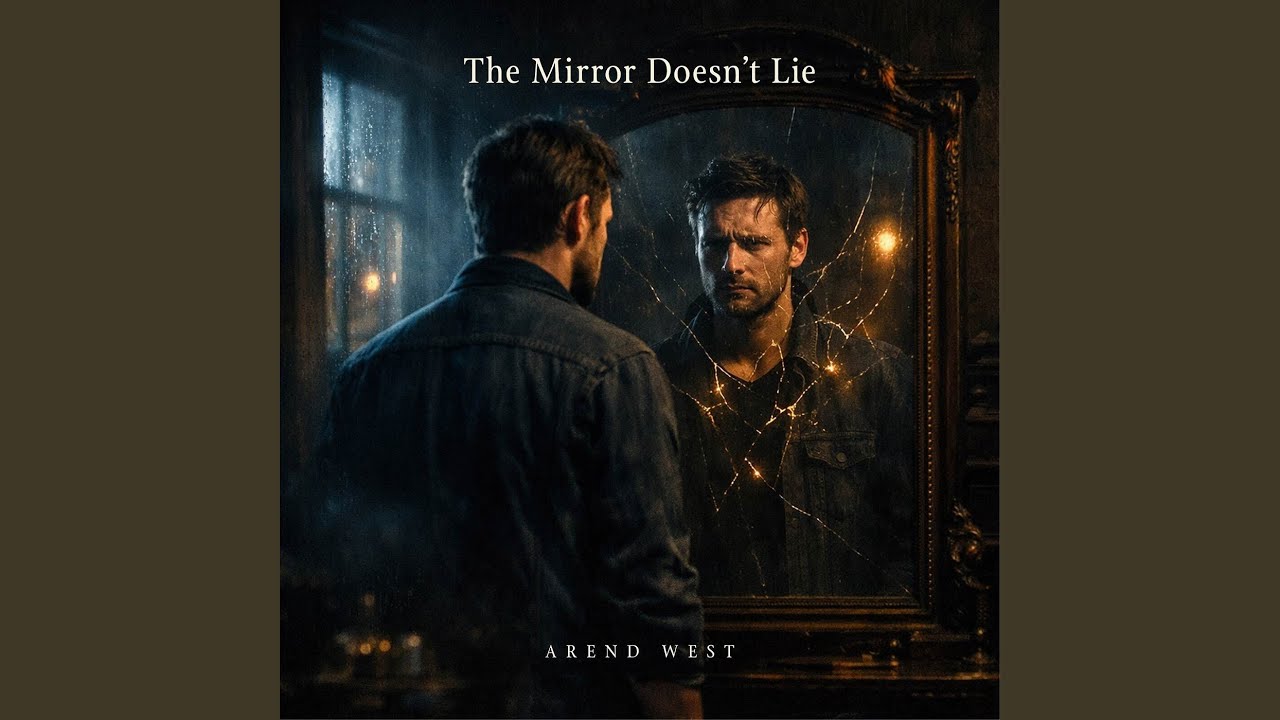
Arend West transforms deeply personal history into haunting cinematic dark pop with “Still Remains,” a single that confronts the invisible emotional ties binding family, identity, and memory. Rather than simply recounting painful experiences, the Dutch songwriter crafts an immersive narrative about reclaiming oneself from inherited patterns of silence, manipulation, and obligation. Inspired by reflections on his late mother’s life and his own fractured relationship with his brother, the song explores what it means to untangle emotional burdens without denying the past. It’s a vulnerable yet empowering meditation on breaking cycles, proving that healing isn’t about forgetting—it’s about deciding what deserves to remain.
The production mirrors that emotional journey with remarkable patience. A haunting piano introduces the song before ambient textures quietly surround the listener, creating an intimate atmosphere that feels suspended in time. As the narrative deepens, slow-burning cinematic drums emerge, accompanied by sweeping orchestral strings that steadily intensify the emotional weight. The arrangement unfolds organically, allowing every instrumental layer to reflect the gradual process of letting go.
The warm, slightly raspy voice carries the story with understated conviction. His restrained verses communicate quiet vulnerability before expanding into a more impassioned chorus, where the repeated refrain, “It still remains,” lands with haunting significance. The lyrics are rich with imagery of threads, fabric, and invisible chains, turning emotional inheritance into tangible symbols. Particularly striking is the declaration, “Blood isn’t ownership, love isn’t pain,” a line that captures the song’s emotional breakthrough with remarkable clarity. Equally powerful is its refusal to embrace bitterness, culminating in the quietly profound words, “Not in anger, not in blame—just unraveling what still remains.” Instead of seeking revenge or closure through confrontation, West finds liberation through understanding and acceptance.
Ultimately, “Still Remains” succeeds because it transforms one person’s deeply intimate experience into something universally relatable. Its cinematic production, evocative lyricism, and emotionally nuanced vocal performance create an experience that lingers long after the final note. Arend West reminds us that while the past may never completely disappear, its grip can loosen—fiber by fiber, memory by memory, until history becomes something we carry rather than something that carries us.
STAY IN TOUCH:
FACEBOOK | INSTAGRAM | X | SPOTIFY | YOUTUBE

Review by: Naomi Joan